
24/7 Customer Support

Free returns

Same-day & Next-day Delivery

Quality Guaranteed

Unlock Your Welcome Offers: FREE Delivery | Up to 80% OFF | Free 30-day JoyPlus trial
Download the APP
A case deal wine purchase can reduce the cost per bottle and make entertaining easier, but a low headline price does not always represent good value. UK shoppers can end up with unsuitable styles, unclear bottle quantities or wine that does not match the occasion.
Before choosing among wine case deals, check the details behind the offer. These practical points can help you compare discounted wine cases with greater confidence.
A case may contain six, twelve or another quantity of bottles. Some listings also use “case deal” as part of the product title without making the number of bottles immediately clear. Confirm the quantity, 750ml or 75cl bottle size, and total volume before comparing the price with single-bottle offers.
A 75cl bottle is the standard size for many wines, including Prosecco, Champagne, Sauvignon Blanc and Merlot. However, the number of bottles in the case determines the actual cost per serving.
A large discount may look appealing, but it does not tell you whether the wine suits your taste or plans. A sweet Moscato may not work with a savoury dinner, while a crisp Sauvignon Blanc may be less suitable for guests who prefer soft, fruit-forward reds.
Check the grape variety, alcohol percentage, flavour description and suggested serving temperature. This is particularly important when buying a red wine case deal, white wine case deal or rosé wine case deal for a mixed group.
Wine delivery UK shoppers should review delivery charges, estimated arrival times, packaging information and any age-verification requirements. Alcohol purchases are restricted to adults aged 18 and over, and a delivery provider may request proof of age.
Also check the storage guidance. Most wines should be kept away from excessive heat and direct sunlight. Once opened, sparkling wine benefits from refrigeration and a suitable stopper, while still wine is generally best consumed within the period stated on the label or product page.
Calculate the listed price divided by the number of bottles. Then consider delivery costs and whether the case includes 75cl bottles. This gives you a more useful comparison between individual bottles, mixed cases and discounted wine cases.
For a household that entertains regularly, a larger case may be convenient. For occasional drinking, a smaller case can reduce storage demands and the risk of keeping bottles beyond their recommended drinking period.
Use the grape variety as a starting point:
Descriptions should be treated as guidance rather than a guarantee of personal preference. If you are unsure, a case built around familiar grape varieties is usually easier to plan for than an entirely unfamiliar selection.
Check the ABV, alcohol units and allergen information before ordering. The products featured below list sulphites, which are common wine allergens. Alcohol units can vary significantly: for example, a 750ml bottle at 13.5% ABV contains more units than one at 7% ABV.
The UK Chief Medical Officers advise adults not to regularly exceed 14 units per week. Alcohol should be avoided during pregnancy, and all wine should be consumed responsibly.
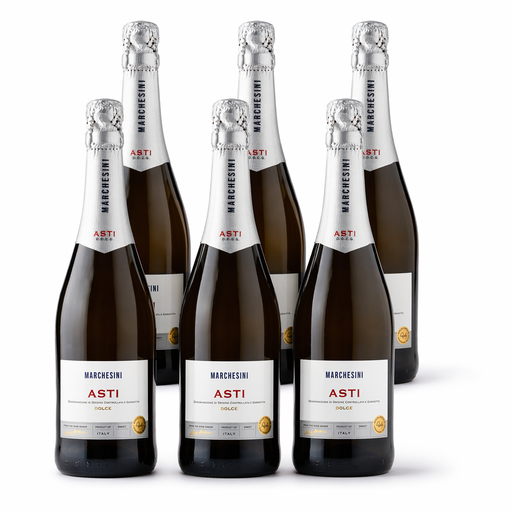
Why This Fits Their Persona: A 7% ABV Italian sparkling option for shoppers who want a recognisable celebratory style without moving straight to Champagne.
The product information states the 75cl size, 7% alcohol percentage and sulphite allergen, helping shoppers compare beyond the case price.
Italian origin; suitable for drinking now; 5.3 UK units per 750ml bottle.
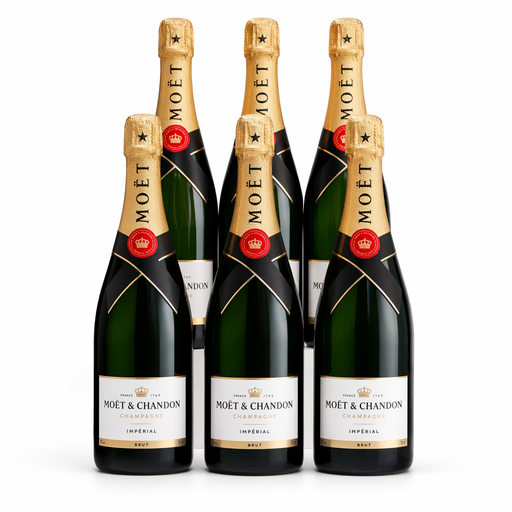
Why This Fits Their Persona: A 12% ABV Champagne in a 75cl bottle for formal toasts, milestone gifts and dinners where a named Champagne house is important.
The listing identifies the Champagne origin, grape blend, ABV and storage instructions rather than relying only on celebration-focused wording.
Blend of Pinot Noir, Pinot Meunier and Chardonnay; 74 kcal per 100ml listed.
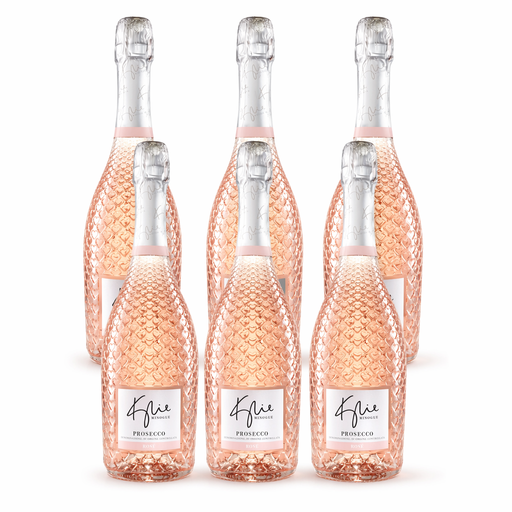
Why This Fits Their Persona: A rosé sparkling choice for brunches, informal celebrations and guests who prefer fruit-led flavours with lively serving appeal.
The listing specifies the Prosecco region, grape varieties, 11% ABV and 8.3 units per bottle, making the style and strength easier to assess.
75cl bottle; serve chilled; contains Glera and Pinot Noir grapes.
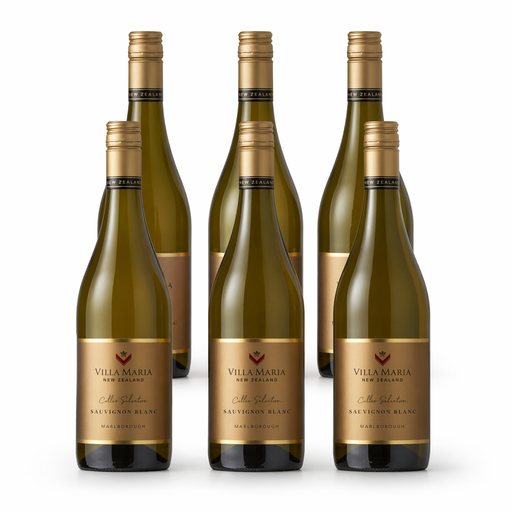
Why This Fits Their Persona: A New Zealand Sauvignon Blanc suited to shoppers planning seafood, salads, goat’s cheese or chilled aperitif servings.
The product details provide the region, 13% ABV, 9.8 units and a stated shelf-life, so buyers can plan storage and serving more realistically.
13% ABV; 75cl format; described with grapefruit, honeydew melon and herbal notes.
We have compiled a complete, real-time list of products that fully satisfy these strict selection criteria and UK safety regulations.
It can reduce the price per bottle, but the saving depends on the original price, case quantity, delivery charge and current promotion. Divide the total payable amount by the number of bottles before ordering. A case is financially practical when you are likely to drink the bottles within the recommended period.
Keep bottles in a cool, dark place away from radiators, kitchens with high heat and direct sunlight. Follow the product label for positioning and shelf-life. Chill white, rosé and sparkling wines before serving, and check whether an opened bottle should be resealed and refrigerated.
Confirm that you are aged 18 or over, then check the bottle size, case quantity, ABV, UK alcohol units, sulphite information, country of origin, delivery terms and storage guidance. These details make it easier to compare a red wine case deal, white wine case deal, Prosecco case deal or Champagne case deal on practical value rather than headline discount alone.