
24/7 Customer Support

Free returns

Same-day & Next-day Delivery

Quality Guaranteed

Unlock Your Welcome Offers: FREE Delivery | Up to 80% OFF | Free 30-day JoyPlus trial
Download the APP
As a Joybuy Product Recommendation Officer, my role is to help you make informed choices. When it comes to buying a case of rosé wine, the convenience of stocking up for a summer barbecue, a party or simply to have a well-supplied wine rack is undeniable. However, buying in bulk can also lead to costly missteps. Before you commit to a dozen bottles, let’s look at some common pitfalls that can leave you with wine you don’t enjoy.
Many shoppers are tempted by what looks like a great rosé wine case deal, only to be disappointed. Here are the main traps to be aware of:
To ensure you get a case of wine you'll genuinely enjoy, focus on a few core characteristics. Understanding these will help you navigate descriptions and select the right summer wine case for your needs.
The colour of a rosé gives few clues about its sweetness. The key is to understand the terminology used to describe its sugar content.
The grape and where it's grown are the biggest indicators of a rosé's flavour profile.
Pay attention to the ABV, as it influences the wine's body and suitability for different occasions.
Here are a few recommendations, matched to different needs and preferences, to help you find the right case of rosé wine.
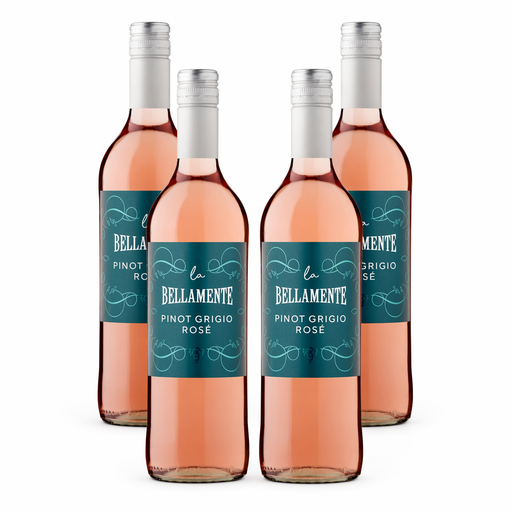
Why This Fits Their Persona: This is for the person organising a party, wedding or large family gathering. They need a wine that is affordable in bulk, reliably crowd-pleasing, and versatile enough to pair with a wide range of canapés, salads and light dishes.
It avoids the "wrong profile" pitfall. As a Pinot Grigio Rosé, it's light, crisp, and fruit-forward with notes of strawberry and citrus—a style with broad appeal that won't alienate guests who dislike very dry or complex wines.
Excellent Versatility: Pairs well with everything from grilled seafood to soft cheeses. Dry & Refreshing: The crisp, dry finish makes it an ideal aperitif or party wine.
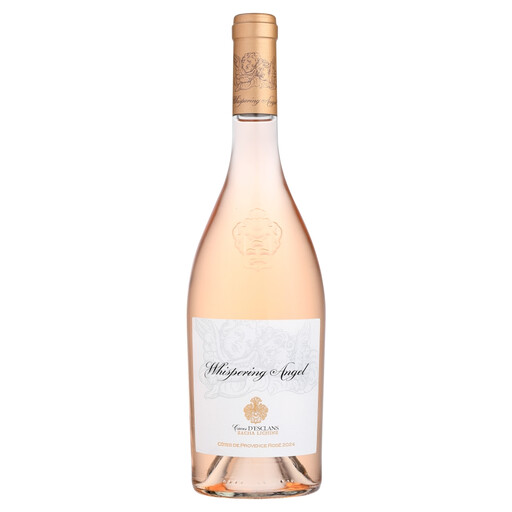
Why This Fits Their Persona: This buyer appreciates the classic, iconic style of Provence rosé. They are looking for a premium, reliable choice for dinner parties or special occasions and are willing to invest in a recognised name for guaranteed quality.
This directly counters the "style vs. origin" trap. As a genuine Ch?teau-bottled wine from Provence, it delivers the authentic character, pale colour and mineral-driven finish that "Provence-style" wines often fail to replicate.
Iconic Reputation: A globally recognised benchmark for high-quality Provence rosé. Elegant Profile: Features crisp, dry notes of red berries and citrus with a smooth, clean finish.
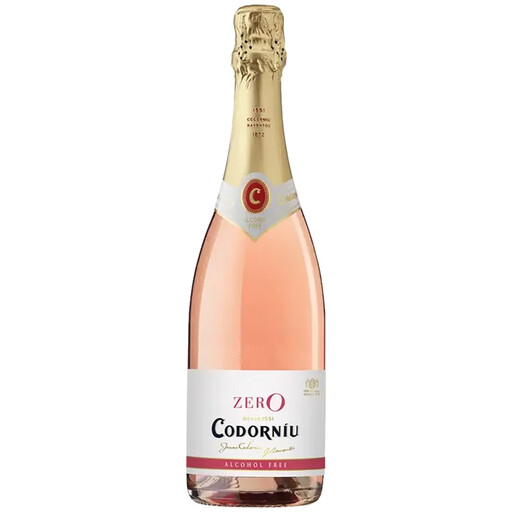
Why This Fits Their Persona: This host wants to ensure all guests feel included, whether they are driving, pregnant or simply choosing not to drink alcohol. They need a high-quality, celebratory **non-alcoholic rosé wine** that feels just as special as the alcoholic options.
This avoids the trap of offering uninspired soft drinks. By choosing a de-alcoholised sparkling rosé from a renowned Cava producer, you provide a sophisticated alternative that doesn't compromise on flavour or the sense of occasion.
Sparkling & Festive: The fine bubbles make it perfect for toasts and celebrations. Fruity Profile: Offers pleasant notes of strawberry, cherry and red fruits with a refreshing finish.
We have compiled a complete, real-time list of products that fully satisfy these strict selection criteria and UK safety regulations.
For optimal freshness, store your case of rosé in a cool, dark place with a consistent temperature, away from direct sunlight and vibrations. A cellar, pantry or a dedicated wine fridge is ideal. While most modern rosés are sealed with screw caps, it's still good practice to store them upright to minimise the surface area exposed to any air in the bottle.
Rosé wine is made to be enjoyed young and fresh, typically within one to three years of its vintage date. It does not improve with age like some red wines. Over time, its vibrant fruit flavours will fade and the colour may deepen. Once opened, a bottle should be re-sealed and refrigerated, and it is best consumed within 2-3 days.
Generally, yes. Buying a case of rosé wine often comes with a discount compared to purchasing the same number of bottles individually. This can range from a percentage off the total price to a "buy 5, get 1 free" type of offer. It provides good value, especially when you find a wine you enjoy and plan to drink regularly or serve at an event. Always check the per-bottle price to confirm the saving.