
24/7 Customer Support

Free returns

Same-day & Next-day Delivery

Quality Guaranteed

Unlock Your Welcome Offers: FREE Delivery | Up to 80% OFF | Free 30-day JoyPlus trial
Download the APP
Buying a case deal Sauvignon Blanc wine can lower the cost per bottle and save repeated trips to the supermarket. However, a larger quantity is only useful when the wine suits your taste, storage space and drinking plans. A low headline price can be misleading if the case contains fewer bottles than expected, a style you do not enjoy or more alcohol than you intend to serve.
This guide explains what to check before buying, from bottle size and regional character to food pairing, alcohol units and alcohol-free alternatives.
Wine retailers use “case deal” to describe different pack formats. Some listings refer to a traditional six-bottle case, while others may use the phrase for a multi-bottle promotion or a product supplied in individual bottles. Check the net quantity, number of bottles and bottle size before comparing prices.
A 75cl white wine bottle is the standard format for sharing at dinner. Smaller 18.7cl bottles, such as the Casillero Del Diablo Reserva Sauvignon Blanc, may be more practical for lunches, picnics or occasions where opening a full bottle would create waste.
Marlborough Sauvignon Blanc is widely associated with lime, passion fruit, grapefruit, fresh herbs and pronounced acidity. That does not mean every New Zealand white wine tastes identical. Vintage, vineyard location, winemaking and alcohol level can all influence the result.
Australian Sauvignon Blanc can be fruit-forward and approachable, while French Sauvignon Blanc may offer a more restrained citrus, mineral or herbaceous profile. Chilean Sauvignon Blanc often combines citrus and tropical fruit with a fresh finish. These are useful style indications, not fixed rules.
A case deal may appear inexpensive but offer limited value if the wine is unsuitable for your meals or you cannot drink it while it is fresh. Compare the price per 75cl bottle, alcohol percentage, storage guidance and recommended drinking window.
For regular household use, a case of familiar, food-friendly wine can make sense. For occasional drinkers, a smaller pack or mixed selection may reduce the risk of unused bottles.
Confirm whether the listing contains 75cl bottles, 750ml bottles or smaller servings. Then check the total number of bottles. Six 75cl bottles provide 4.5 litres of wine, while a case of twelve provides 9 litres. This matters for cupboard space, entertaining and the likely time needed to finish the pack.
Alcohol by volume, shown as ABV, indicates the percentage of alcohol in the wine. UK alcohol units can be calculated as:
ABV × volume in millilitres ÷ 1,000
A 13% ABV, 75cl bottle contains approximately 9.75 UK units. Mud House Sauvignon Blanc is listed at 13.5% ABV and approximately 10.1 units per bottle, while Hardys Nottage Hill Sauvignon Blanc is listed at 11% ABV and 8.3 units.
The UK Chief Medical Officers advise that adults should not regularly exceed 14 units per week. A 125ml glass of wine contains fewer units than a large pour, so serving size is important. All alcohol products featured here are for customers aged 18 and over.
Sauvignon Blanc is generally served chilled, often around 8–10°C, although the recommended temperature can vary by bottle. Over-chilling may mute aromas, while serving it too warm can make the alcohol feel more noticeable.
Its acidity makes it a practical seafood wine pairing. Look for bottles described with citrus, lime, grapefruit, gooseberry or fresh herbs when serving oysters, prawns, grilled fish, salads or goat’s cheese. A softer, fruitier style may be more suitable for informal gatherings and lightly seasoned dishes.
Check allergen information too. Most listed wines contain sulphites, and some may include fining agents such as egg or milk derivatives. Vegan suitability should be confirmed from the product label or producer rather than assumed.
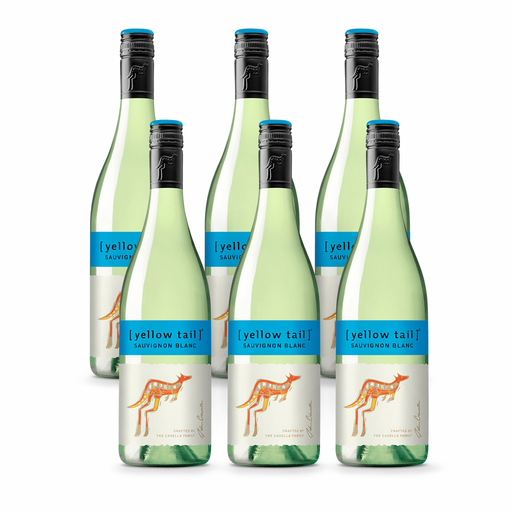
Why This Fits Their Persona: A familiar Australian style for casual meals, barbecues, informal gatherings and everyday drinking.
The listing identifies 750ml bottles, Australian origin and an accessible 10–11.9% ABV range, helping buyers compare format and strength rather than price alone.
Passion fruit and grapefruit notes; suitable for salads, goat’s cheese, grilled fish and seafood.
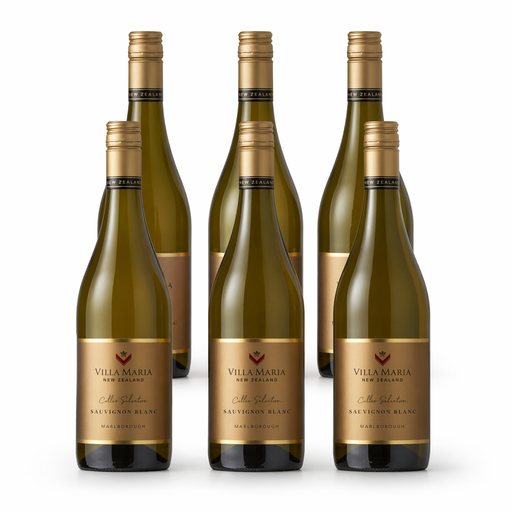
Why This Fits Their Persona: Suits dinner hosts and shoppers looking for a fuller-textured New Zealand Sauvignon Blanc for the table.
Its stated flavour profile gives more useful detail than a generic premium label: herbal aromas, grapefruit, honeydew melon and a rounded mid-palate.
New Zealand origin; 13.0% ABV; listed storage at room temperature and a suggested one-year consumption window.
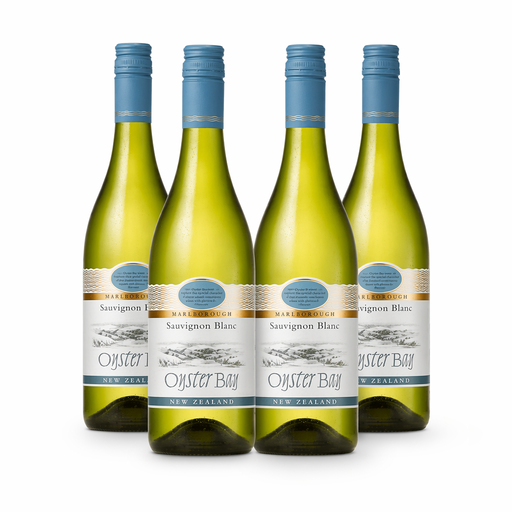
Why This Fits Their Persona: A clearly stated six-bottle format for households that regularly host, entertain or want straightforward bulk white wine.
The product listing specifies 6 x 75cl, 12.5% ABV and approximately 9.375 UK units per bottle, making the quantity and strength easier to plan.
Marlborough origin; listed aromas and flavours include fresh fruit; suitable for chilled seafood and light meals.
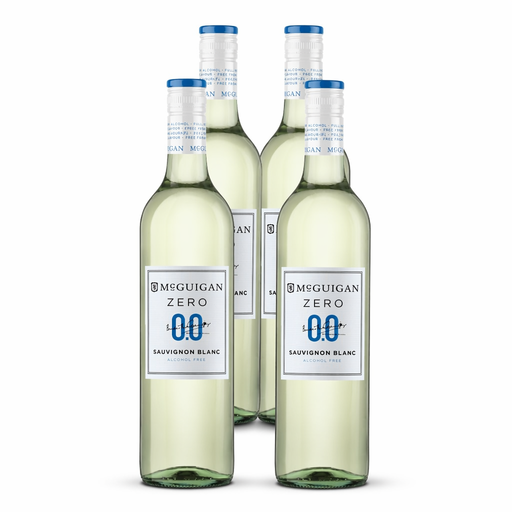
Why This Fits Their Persona: Designed for shoppers seeking an alcohol-free Sauvignon Blanc for weekday meals, designated drivers or mixed gatherings.
The listing states 0.0% vol and identifies it as dealcoholised wine. It also gives storage instructions after opening, reducing avoidable quality loss.
750ml bottle; 19 kcal per 100ml as listed; citrus, grapefruit and passion fruit flavour descriptions.
We have compiled a complete, real-time list of products that fully satisfy these strict selection criteria and UK safety regulations.
It can reduce the unit price, but the saving depends on the promotion, bottle count and delivery costs. Divide the total price by the number of bottles to compare like for like. Also consider whether all bottles are 75cl and whether the wine will be consumed within its recommended freshness window.
For fresh, crisp styles, quality is usually strongest within a few days when the bottle is resealed and refrigerated. Product guidance varies, so check the label. Unopened Sauvignon Blanc is generally selected for youthful fruit and freshness rather than long-term cellaring; follow the listed shelf-life or drinking recommendation.
Look for a crisp dry white wine with citrus, lime, grapefruit, mineral or herbal notes. New Zealand Marlborough bottles are commonly matched with oysters, prawns, grilled fish, salads and goat’s cheese. Chilean, Australian and French options can also suit seafood, depending on their acidity and fruit profile. Serve chilled and choose the bottle whose flavour description matches the dish’s seasoning.