
24/7 Customer Support

Free returns

Same-day & Next-day Delivery

Quality Guaranteed

Unlock Your Welcome Offers: FREE Delivery | Up to 80% OFF | Free 30-day JoyPlus trial
Download the APP
Looking for an approachable Chilean Sauvignon Blanc for a weeknight meal, dinner with friends or a simple gift? Casillero Del Diablo Sauvignon Blanc 75cl is a familiar search for UK wine shoppers, but the bottle size and name alone do not tell you everything you need to know.
Before buying, check three common pitfalls:
The grape should be clearly stated as Sauvignon Blanc, rather than relying only on the product title. Origin also helps set expectations. Chilean Sauvignon Blanc is often selected for its fresh, dry and easy-drinking character, while New Zealand examples may be more overtly aromatic and herbaceous.
For everyday drinking, compare:
Alcohol content can vary between bottles of Sauvignon Blanc. A typical 75cl wine bottle may contain around 7.9 to 10.1 UK units, depending on its ABV. As a practical calculation:
Units = ABV × volume in litres
For example, a 13% ABV 75cl bottle contains approximately 9.75 UK units. Always confirm the figure printed on the label, particularly when comparing an affordable white wine with a lower-alcohol alternative.
UK guidance states that adults who drink regularly should not usually exceed 14 units per week. Alcohol is age-restricted, and Joybuy may require proof of age at delivery. Do not drink and drive, and avoid alcohol during pregnancy.
A crisp white wine is usually more refreshing when served chilled. Follow the product label, but many Sauvignon Blanc wines are enjoyed at approximately 8–10°C. Chilling can soften the perception of alcohol and highlight citrus notes, while serving too warm may make the wine taste flatter.
Also check:
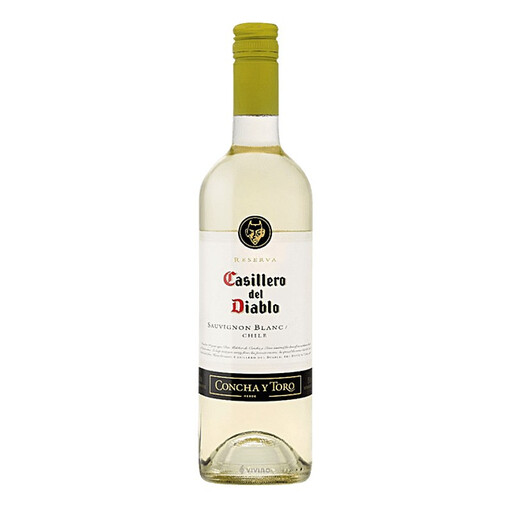
Why This Fits Their Persona: A conventional 75cl format suits shoppers seeking a recognisable Chilean Sauvignon Blanc for casual meals or relaxed evenings. Confirm the current label details before ordering, especially ABV and ingredients.
The product page and bottle should be checked together to avoid relying on the mismatched Chardonnay and spirit wording appearing in some listing information.
75cl bottle size; Chilean origin is identified in the available product information.
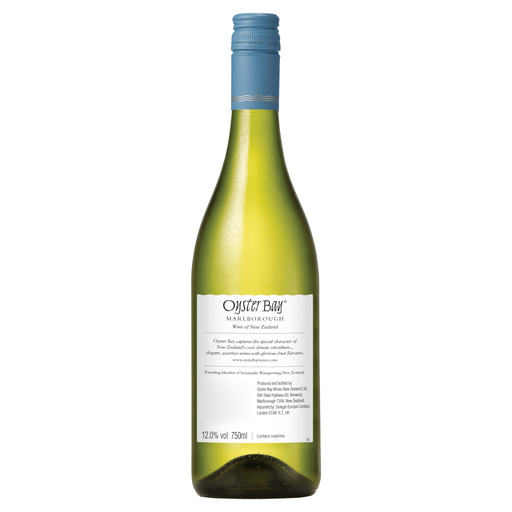
Why This Fits Their Persona: Suitable for shoppers who want a New Zealand Marlborough style with a more aromatic profile for entertaining or lighter meals.
The listing specifies Marlborough, tropical fruit and citrus notes, giving more useful information than a broad premium-style claim.
12.5% ABV; listed as suitable for seafood and fresh Asian flavours.
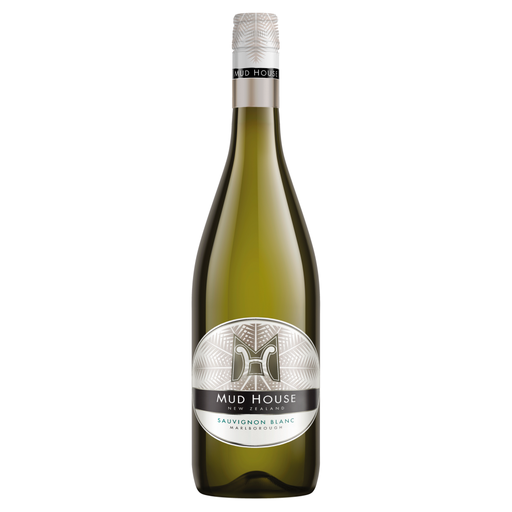
Why This Fits Their Persona: A practical pick for a seafood-focused menu, including shellfish, salads and goat's cheese.
The listing gives a defined serving temperature of 8–10°C and names specific food pairings rather than only promising versatility.
13.5% ABV; listed notes include passion fruit, lime peel and fresh herbs.
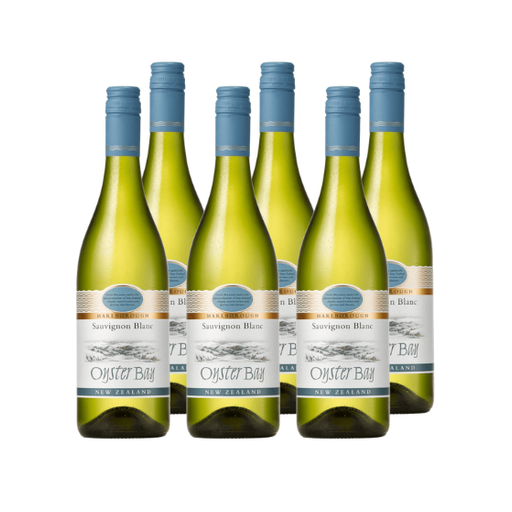
Why This Fits Their Persona: A six-bottle format can suit planned entertaining or regular household use, provided you can store it safely and monitor consumption.
The pack quantity is clear, helping shoppers compare the total purchase with a single 75cl wine bottle rather than judging only the shelf price.
Six 75cl bottles; listed as best served chilled and containing sulphites.
We have compiled a complete, real-time list of products that fully satisfy these strict selection criteria and UK safety regulations.
A refreshing dry white wine usually works well with food that is lighter than the wine itself. Depending on the specific bottle’s acidity and fruit profile, try it with:
Serve chilled, but avoid over-chilling for a long period, as very low temperatures can reduce aroma. If the wine tastes sharper than expected, pairing it with food can make the acidity feel more balanced.
The product is identified as Sauvignon Blanc, a style commonly associated with dry, fresh white wine. However, sweetness levels can vary, so check the current bottle label or product specification for confirmation.
The total depends on the alcohol percentage. A 75cl bottle at 13% ABV contains approximately 9.75 UK units. Check the stated ABV and units on the packaging before serving.
Reseal the bottle and keep it refrigerated. For the most reliable guidance, follow the label; many opened white wines are best consumed within a few days. A wine stopper can help limit exposure to air, but it will not preserve the wine indefinitely.