
24/7 Customer Support

Free returns

Same-day & Next-day Delivery

Quality Guaranteed

Unlock Your Welcome Offers: FREE Delivery | Up to 80% OFF | Free 30-day JoyPlus trial
Download the APP
Whether you are preparing bubble tea, baking a cassava dessert, stocking an Asian food cupboard or looking for a plant-based cat litter, choosing the right cassava and tapioca products is not simply a matter of selecting the largest pack. Product format, cooking requirements, ingredients and storage conditions can all affect value and usability.
“Tapioca pearls” and “boba pearls” can require very different preparation. Quick-cooking varieties may be ready after a short boil and resting period, while traditional pearls can take considerably longer. No-cook pearls are designed for a different preparation method altogether.
Always check the cooking instructions before buying. A product suited to a café serving several drinks may be inconvenient for occasional home use, while a small 250g bag may not be economical for catering.
Cassava chips and cassava snacks vary in seasoning, oil content and pack size. Unsalted versions may suit shoppers who want to add their own dip or seasoning, while chilli, lime or herb-flavoured products offer convenience but can contain more salt, sugar or flavour enhancers.
Read the nutrition panel per 100g, rather than judging value by the front-of-pack description. Fried cassava snacks are still energy-dense foods, even when they are labelled gluten-free or vegan.
Frozen cassava chunks and grated cassava need freezer storage, whereas tapioca starch and dried pearls are generally kept in a cool, dry place. A product that seems inexpensive can become wasteful if your kitchen lacks suitable storage.
Preparation safety also matters. Raw cassava products and raw tapioca starch should not be eaten directly. Follow the packaging instructions and cook products thoroughly where required.
Choose the format around your recipe:
For shoppers seeking gluten-free snacks or vegan cassava snacks, check the complete ingredients and allergen statement. Cassava itself is naturally gluten-free, but seasoned products may include wheat-based soy sauce powder or other allergen-containing ingredients.
For example, some plain cassava chips contain only cassava, oil and salt, while seasoned varieties can include chilli powder, flavour enhancers, spices or wheat and soya ingredients. “Vegan” and “gluten-free” suitability should be confirmed from the product label, particularly if you are buying for someone with an allergy or diagnosed intolerance.
Tapioca starch is usually a single-ingredient product, but tapioca pearls commonly contain water, starches, thickeners, colourings, flavourings, preservatives and sweeteners. Some products in this range contain a source of phenylalanine, so read the warning information if relevant to your household.
Compare pack sizes against how often you plan to use the item:
Also check whether pearls need five minutes, 15–20 minutes or a longer cooking process. Preparation time can affect the total cost and convenience more than the shelf price.

Why This Fits Their Persona: The 250g pack is a manageable starting point for UK shoppers making homemade milk tea or desserts occasionally. The listed cooking method involves boiling for five minutes, resting for another five minutes, rinsing and soaking in syrup.
The instructions clearly state that cooking is required, helping prevent confusion between dried and no-cook boba pearls.
250g net quantity; brown sugar flavour; listed carbohydrate content of 54g per 100g.
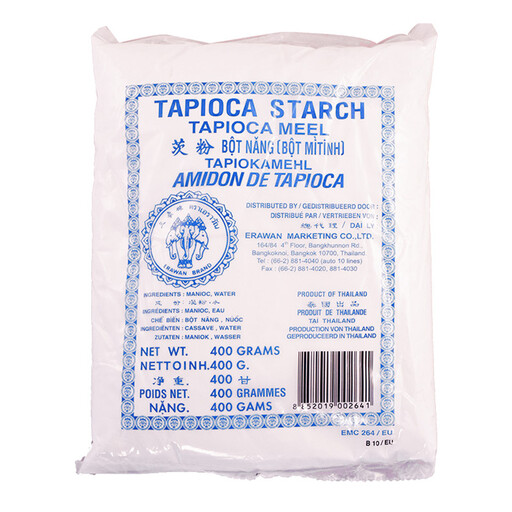
Why This Fits Their Persona: Home bakers and cooks wanting one neutral cupboard ingredient can use this 400g pack for sauces, pastries, chewy desserts and selected Asian food ingredients.
The ingredient list states tapioca starch only, making it easier to assess suitability than a multi-ingredient thickener.
100% tapioca starch; listed as gluten-free; suitable for thickening and baking applications.
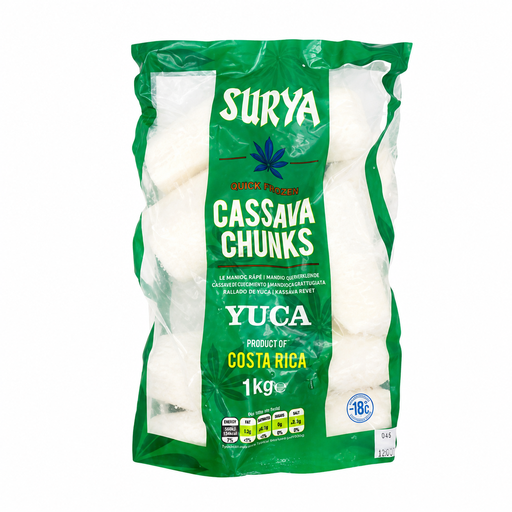
Why This Fits Their Persona: Families, Caribbean and African food enthusiasts and caterers can use a larger pack for curries, boiling, roasting or frying.
The chunks are trimmed and ready to use, but the pack still specifies thorough cooking and freezer storage at -18°C or below.
1kg quantity; cassava listed as 100% of the ingredients; no thawing required before use.
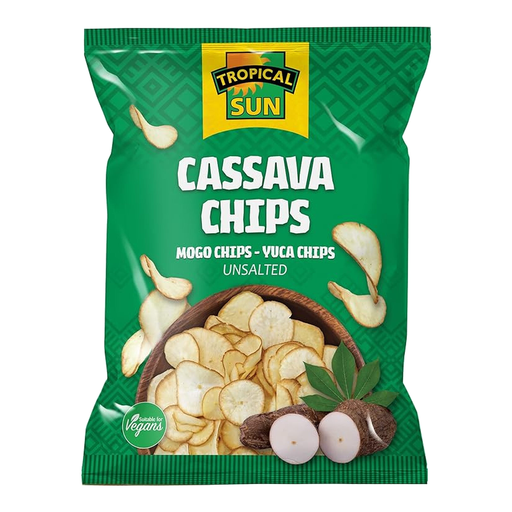
Why This Fits Their Persona: The 80g ready-to-eat pack suits lunchboxes for adults, sharing platters, dip pairing or trying cassava snacks without buying a large quantity.
The product is clearly ready to eat and unsalted, so buyers are not paying for a strong seasoning profile they may not want.
Ingredients listed as cassava and palm oil; no known allergens stated; ready to eat.
We have compiled a complete, real-time list of products that fully satisfy these strict selection criteria and UK safety regulations.
It depends on the product. Some quick-cooking pearls list around five minutes of boiling followed by a resting period, while other products specify approximately 15–20 minutes. Always follow the instructions on the individual pack and do not eat dried pearls raw.
Store dried tapioca pearls and tapioca starch in a cool, dry place, sealed against moisture. Frozen cassava chunks and grated cassava should remain at -18°C or below and must not be refrozen after thawing. Ready-to-eat cassava chips should be resealed after opening to help preserve their crisp texture.
Cassava and pure tapioca starch are naturally gluten-free ingredients. However, finished products can contain other ingredients or cross-contact warnings. Check the allergen statement carefully: some seasoned cassava chips may contain wheat or soya, while individual tapioca pearl products can include additives and sweeteners.