
24/7 Customer Support

Free returns

Same-day & Next-day Delivery

Quality Guaranteed

Unlock Your Welcome Offers: FREE Delivery | Up to 80% OFF | Free 30-day JoyPlus trial
Download the APP
Finding cookware that stands the test of time can feel like a challenge. Many of us have experienced the frustration of non-stick pans that scratch easily or thin bases that warp, leading to unevenly cooked meals. If you're searching for a durable, high-performance alternative, cast iron cookware is a time-honoured solution worth considering.
Known for its exceptional heat retention and versatility, a good piece of cast iron can become a cornerstone of your kitchen for decades. From searing the perfect steak to slow-cooking a hearty stew, its capabilities are vast. This guide, prepared by your Joybuy Product Recommendation Officer, is designed to help you understand the key differences between types of cast iron and identify a piece that suits your cooking style and kitchen setup.
Navigating the world of cast iron cookware is simpler when you know what to look for. Here are a few practical points to help you make an informed choice.
One of the first decisions you'll face is the type of finish.
Enameled cast iron is coated with a layer of vitreous enamel, creating a non-porous, smooth surface. This makes it easier to clean and means you don't have to "season" the pan with oil. The enamel is also non-reactive, so you can cook acidic foods like tomatoes or wine sauces without worrying about them taking on a metallic taste. These pieces often come in a variety of colours, adding a decorative touch to your kitchen.
Pre-seasoned cast iron has a more traditional, rugged finish. It comes from the factory with a base layer of baked-on oil, which creates an initial non-stick surface. This surface, known as the patina, improves with every use as more layers of cooking oil are polymerised onto the iron. It requires a little more maintenance—gentle cleaning and occasional re-oiling—but many chefs feel this process is part of the pan's charm and contributes to its unique cooking properties.
The shape of your cookware should align with what you love to cook.
Before you buy, it's important to ensure the cookware fits your kitchen. As cast iron is a ferrous metal, it is generally excellent for induction hob cookware. However, always check the product description to confirm compatibility. Also, look for the maximum temperature an oven safe pan can handle, especially if you plan to use it for baking or finishing dishes in the oven.
Here are a few standout options that showcase the versatility and quality available.
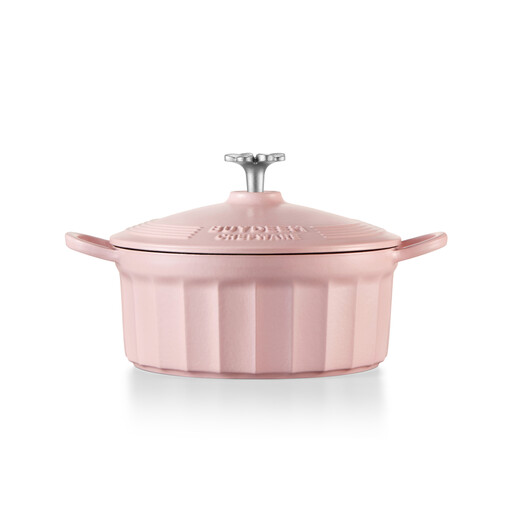
Why It Stands Out This cast iron casserole dish combines performance with aesthetics. The enameled cast iron body ensures heat is distributed evenly and retained for hours, making it perfect for slow-cooked meals. Its tight-fitting domed lid is designed to circulate steam, locking in moisture and flavour. The durable enamel interior resists staining and chipping and its compatibility with all stovetops, including induction, makes it a versatile addition to any kitchen.
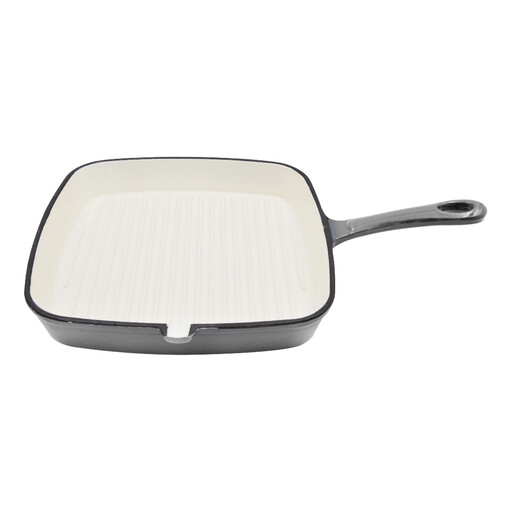
Why It Stands Out For those who love the taste and appearance of grilled food, this cast iron griddle pan delivers. The ridged surface creates professional-looking sear marks while allowing excess fat to drain away. Its solid cast iron construction provides the high, even heat needed for a perfect sear. The stylish grey enamel exterior is a modern take on classic cookware, and it’s designed to work on all hobs, making it a flexible tool for any grilling enthusiast.
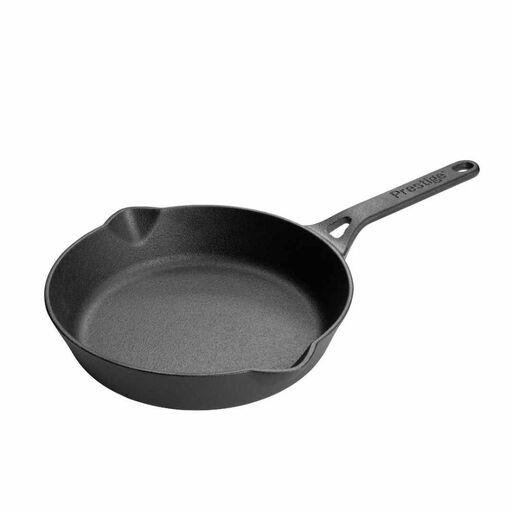
Why It Stands Out This cast iron frying pan is a fantastic entry point into the world of traditional cast iron. It arrives pre-seasoned with soybean oil, so it's ready to use straight away. The 22cm size is perfect for everyday tasks like frying eggs, searing a single steak, or making side dishes. As a piece of pre-seasoned cast iron, its naturally non-stick surface will improve the more you cook with it. It’s also oven-safe to a high temperature of 240°C, offering great flexibility.
If our recommendations aren't quite what you're looking for, or if you'd like to see a wider range of sizes and styles, we have more options available. Explore our full collection to find the perfect piece for your kitchen.
Discover more in our iron pan collection.
Is cast iron difficult to maintain? It depends on the type. Enameled cast iron is quite simple, typically requiring just hand washing with a soft sponge. Pre-seasoned cast iron needs a bit more care; it's best to avoid harsh soaps and apply a thin layer of cooking oil after washing and drying to protect its seasoned surface.
Can I use cast iron cookware on an induction hob? Yes, in most cases. Cast iron is a ferrous (iron-based) metal, which makes it naturally compatible with induction cooktops. It's one of the reasons it's such a popular choice for induction hob cookware. However, it is always a good practice to check the manufacturer's specifications to confirm compatibility.
What is the difference between a cast iron skillet and a frying pan? In the context of cast iron, the terms are often used interchangeably. A classic cast iron skillet is a type of frying pan characterised by its sloped sides, heavy construction, and integrated handle. Both terms refer to a versatile, flat-bottomed pan designed for frying, searing and sautéing.