
24/7 Customer Support

Free returns

Same-day & Next-day Delivery

Quality Guaranteed

Unlock Your Welcome Offers: FREE Delivery | Up to 80% OFF | Free 30-day JoyPlus trial
Download the APP
From a spoonful in your morning tea to the key ingredient in a celebratory cake, sugar is a fundamental part of any British kitchen. Yet, navigating the choices can be surprisingly tricky. A simple mistake at the checkout can lead to grainy sponges, flat meringues or simply paying more than you need to. As the Joybuy Product Recommendation Officer, my role is to help you understand the practical differences so you can choose the right sugar for your needs without falling for common pitfalls.
Before you add a bag to your basket, let's look at a couple of frequent missteps:
To make sure you get the right results every time, whether you're sweetening a drink or baking a masterpiece, focus on these two key parameters.
The most important distinction in white sugar is the size of the crystals. This directly impacts how it performs in your kitchen.
Once you know which type you need, consider the pack size and source.
To help you choose, here are a few options matched to different household needs, all of which are straightforward choices for the UK kitchen.
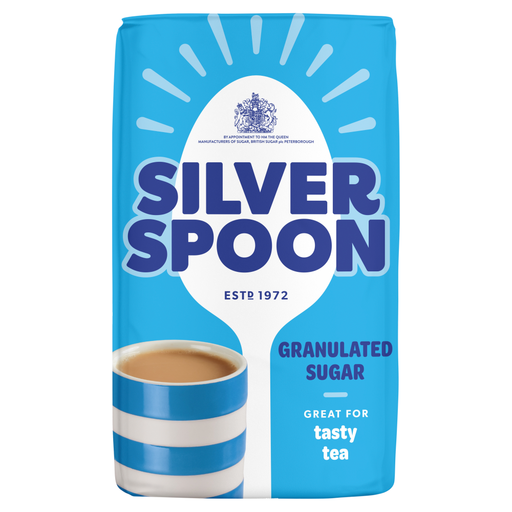
Why This Fits Their Persona: This is the quintessential pantry staple for daily use. It's a reliable and economical choice for sweetening tea and coffee, sprinkling on porridge or for use in general cooking where fine texture isn't the priority.
It is clearly labelled as granulated sugar, preventing accidental use in delicate baking. As a standard, cost-effective product, it avoids the premium price tag of specialty sugars.
Sourced from sugar beet grown by UK farmers, making it a solid choice for those who prefer to buy British sugar. The 1kg pack is convenient for storage.
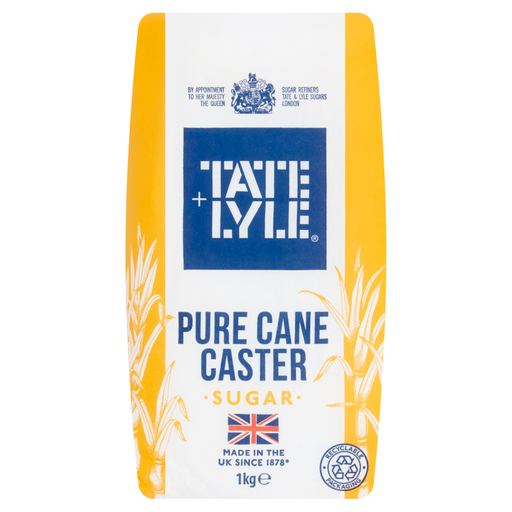
Why This Fits Their Persona: For someone who takes their baking seriously, consistency is key. This pure cane caster sugar is known for its fine crystals that deliver reliable results in sponges, meringues and mousses where texture is paramount.
This is the correct type of baking sugar for delicate recipes, directly preventing the "gritty cake" pitfall. It's a trusted, standard product, not an overpriced "specialty" item.
The fine crystals dissolve rapidly to create a smooth, light texture. It is also Fairtrade certified, which may appeal to ethically-minded shoppers.
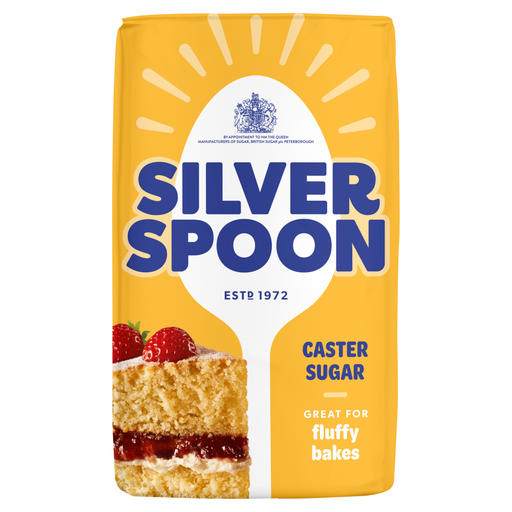
Why This Fits Their Persona: For frequent bakers or large families, buying in bulk is the most economical approach. This 2kg bag provides a ready supply of high-quality caster sugar, reducing shopping trips and cost per bake.
This larger pack size offers better value for money, directly countering the pitfall of repeatedly buying smaller, less economical packs. It provides the correct caster sugar for baking needs.
Excellent cost-effectiveness for heavy users. This is also a Red Tractor certified product, indicating it is responsibly sourced from British sugar beet farms.
We have compiled a complete, real-time list of products that fully satisfy these strict selection criteria and UK safety regulations.
1. Can I use granulated sugar instead of caster sugar in baking? While you can, it's not recommended for recipes that require a light, airy texture, such as sponges, meringues or mousses. The larger crystals of granulated sugar do not dissolve as well, which can result in a heavier, denser and sometimes gritty final product. For the best results, it's always advisable to use the type of sugar specified in the recipe.
2. What is the difference between beet sugar and cane sugar? Beet sugar is produced from sugar beets, which are grown in temperate climates like the UK. Cane sugar is produced from sugarcane, grown in tropical climates. Chemically, both are sucrose and function identically in most applications. Some discerning palates notice a very subtle difference in flavour, but for most home cooking and baking, they are interchangeable. Brands like Silver Spoon often use British-grown beet sugar, while Tate & Lyle is known for its cane sugar.
3. Does sugar go off or expire? Sugar is a natural preservative and, when stored correctly, has an indefinite shelf life. The key is to keep it in a cool, dry place in an airtight container. If exposed to moisture, it can form hard clumps, but it does not "spoil" or become unsafe to eat. If your sugar has clumped, you can often break it up and use it as normal.