
24/7 Customer Support

Free returns

Same-day & Next-day Delivery

Quality Guaranteed

Unlock Your Welcome Offers: FREE Delivery | Up to 80% OFF | Free 30-day JoyPlus trial
Download the APP
As a cat owner, you want to provide the very best for your feline companion. While choosing a cat bowl might seem like a simple task, the market is filled with options that look great on the shelf but can cause problems at home. A poorly chosen cat food dish can lead to mess, discomfort for your pet and even potential health issues.
Before you buy, it's worth understanding a few common pitfalls that many UK shoppers fall into. By knowing what to look out for, you can find a bowl that is safe, comfortable and built to last.
shallow cat bowl that allows your cat to eat without their sensitive whiskers constantly brushing against the sides.To make a confident choice, focus on a few key parameters. These objective factors will help you see past the marketing hype and select a bowl that truly meets your cat's needs.
The material of your cat's bowl is arguably the most important consideration. It directly impacts hygiene, safety and how long the bowl will last.
stoneware cat bowl or ceramic cat bowl is often a reliable choice. These materials are heavy, which adds stability and prevents tipping. When finished with a high-quality, food-safe glaze, the surface is non-porous, easy to clean and resistant to harbouring bacteria. They also help keep water cooler for longer.A cat's comfort during mealtime can affect their eating habits and overall well-being.
whisker friendly cat bowl that is genuinely shallow and wide. This allows your cat to access their food without their whiskers being over-stimulated, which can be a source of discomfort for some felines. Saucer-style dishes are particularly good for this.elevated cat bowl can be beneficial for some cats, particularly seniors with arthritis or felines with certain medical conditions that affect their posture or digestion. Raising the bowl to a more comfortable height can reduce strain on the neck and joints.Beyond the basics, some functional designs can solve common pet-ownership problems.
non-slip cat bowl is a must. Look for models with a full silicone base or a heavy stoneware construction that stays put on tile or wood flooring.slow feeder cat bowl can help. These bowls have built-in obstacles that encourage your cat to eat more slowly, improving digestion and turning mealtime into an engaging activity.To help you navigate the options, we've matched a few products from our collection to different owner profiles and needs.
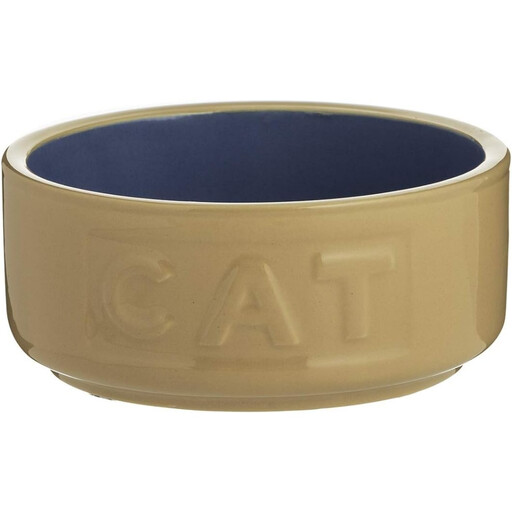
Why This Fits Their Persona: This is for the owner who values timeless design and durability. The classic Mason Cash look fits beautifully into traditional and modern UK kitchens, offering functionality without compromising on style.
Its heavy stoneware construction provides natural stability, avoiding the sliding bowl issue. The glazed, non-porous surface resists scratches and bacteria, steering clear of the plastic trap.
Durable and chip-resistant material. The stoneware helps keep water and food cooler for longer, which is a bonus during warmer months.
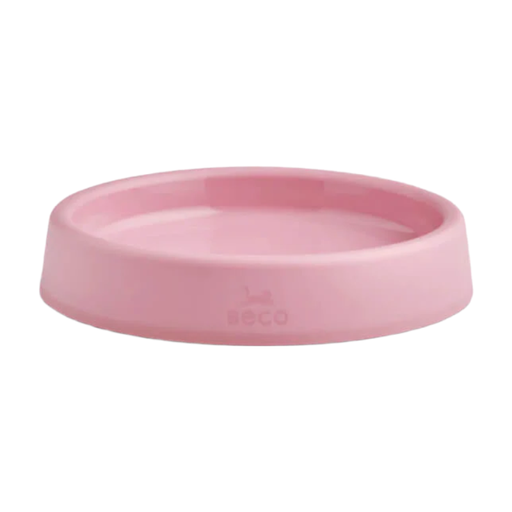
Why This Fits Their Persona: This bowl is for the owner who prioritises their cat's comfort and makes eco-aware choices. It's a modern solution focused on feline well-being and sustainability.
Its purpose-built wide and shallow shape directly addresses the whisker-friendly requirement, going beyond a simple marketing label. The grippy, non-slip base also solves the stability problem.
Made from BPA-free, post-consumer recycled plastic. It features a stable, anti-slip base and is dishwasher safe for easy cleaning.

Why This Fits Their Persona: This is for the owner of a cat that eats too fast, has mobility issues or could benefit from an elevated feeding position. It's a highly functional, all-in-one solution to specific feeding challenges.
This system directly tackles advanced problems that standard bowls cannot. The slow feeder insert solves food gulping, and the adjustable height provides a tailored, ergonomic posture for your pet.
Features a dual-bowl system with a slow feeder and a stainless steel bowl. The stand offers four adjustable height levels and is foldable for easy storage.
We have compiled a complete, real-time list of products that fully satisfy these strict selection criteria and UK safety regulations.
For optimal hygiene, your cat's cat water bowl should be emptied, cleaned and refilled with fresh water daily. Food bowls should be cleaned after every meal if you serve wet food. For dry food (kibble), a daily cleaning is sufficient to prevent the build-up of oils and crumbs.
Not necessarily. While an elevated cat bowl can provide significant benefits for senior cats, those with arthritis or cats with specific digestive issues, they are not essential for all. A healthy, young cat is typically perfectly comfortable eating from a bowl at floor level. If you are unsure, it is always a good idea to consult your vet.
Both are excellent choices for cat bowls. They are clay-based materials that are fired in a kiln. The main difference is that stoneware is fired at a much higher temperature, which makes the final product denser, stronger and more durable than standard ceramic. However, as long as either type is coated in a lead-free, food-safe glaze, both offer a safe and hygienic surface for your cat's meals.