
24/7 Customer Support

Free returns

Same-day & Next-day Delivery

Quality Guaranteed

Unlock Your Welcome Offers: FREE Delivery | Up to 80% OFF | Free 30-day JoyPlus trial
Download the APP
For many UK cat owners, a standard bowl does not solve every feeding problem. Some cats eat too quickly, others lose interest in meals, and fussy eaters may only respond when food is made more appealing. Cat feeding enrichment products—including slow feeders, lick mats and complementary treats—can make mealtimes more engaging when selected and used appropriately.
However, attractive packaging can hide practical drawbacks. Before buying, check the design, materials, portion guidance and cleaning requirements rather than relying on broad claims about digestion, dental care or reduced anxiety.
Deep grooves, narrow pockets and permanently attached sections may make food harder to remove. Leftover wet or raw food can become unpleasant quickly, particularly in a warm kitchen. A useful feeder should have accessible surfaces and clear care instructions. Freezer- or microwave-safe features can be convenient, but always follow the manufacturer’s guidance.
A highly challenging puzzle may frustrate a timid or elderly cat, while a shallow mat may not slow a determined fast eater sufficiently. Whisker sensitivity, pawing habits and whether your cat chews rubber should all influence your choice. A slow feeder is not automatically suitable simply because it has a textured surface.
Lickable cat treats, cat treat toppers and creamy cat treats are generally intended to supplement a balanced diet, not replace it. Check the calorie content, ingredients, age suitability and feeding instructions. “Grain-free”, “low-calorie” or “natural” wording does not remove the need to control total daily intake.
For a first purchase, choose a design that lets you spread a thin layer of wet food or a lickable treat across the surface. This encourages interactive feeding without making the cat work excessively. Raised ridges, separate sections and small pockets create different levels of difficulty.
A compact design such as the 6 x 6-inch LickiMat Mini Playdate can suit flats, smaller feeding areas or travel. Larger multi-section designs may be more practical for cats that eat quickly or need wet, dry and liquid food served together.
A cat slow feeder should remain stable on the floor. Raised edges can help contain food, while a low-profile, whisker-friendly shape may be more comfortable for cats that dislike their whiskers touching a bowl.
Look for clearly stated materials and avoid products with vague construction details. The LickiMat options listed here specify food-grade rubber and, where stated, are free from BPA, PVC and phthalates. The Mini Playdate also includes a polypropylene base.
Inspect the feeder regularly for cracks, peeling or bite marks. These products are not chew toys, so cats that chew should be supervised. A damaged mat should be replaced rather than repaired with household adhesives.
When comparing lickable cat treats, review the composition and analytical constituents on the packaging. Individual 15g sachets make portioning simpler and help keep opened portions fresh. Some options provide stated calorie information, such as 8.5 kcal per sachet, while others require you to consult the pack label.
Consider your cat’s age and dietary requirements. For example, some Webbox Lick-E-Lix products are listed for cats from 12 weeks or three months, while dental-focused variants are intended for adult cats. Grain-free cat treats are not automatically necessary for every cat, and any known allergy or veterinary diet should take priority over flavour preference.
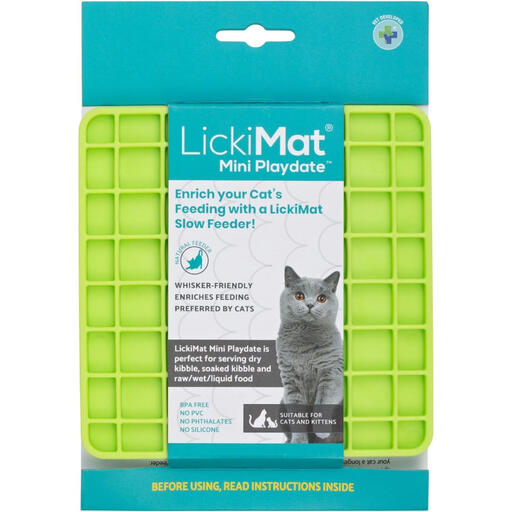
Why This Fits Their Persona: Its compact 6 x 6-inch format is practical for smaller homes, occasional travel and owners introducing cat food enrichment for the first time.
The textured surface provides enrichment without requiring a complex multi-part puzzle, and the stated food-grade construction makes material selection clearer.
Suitable for wet, raw, liquid food and kibble; compact and made from food-grade rubber with a polypropylene base.
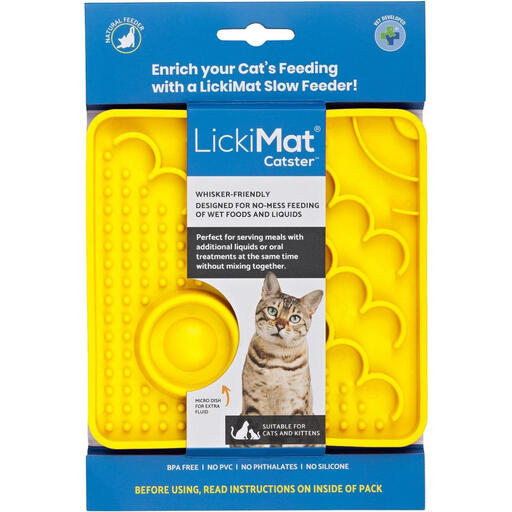
Why This Fits Their Persona: Suitable for owners wanting a versatile, dedicated feeding station for wet food, kibble and liquid additions such as cat cream.
Its raised edges and multiple surfaces are specified rather than implied, while the hydration well gives liquids a defined place.
Includes a micro dish; listed as microwave-safe and freezer-friendly; designed for multiple food textures.
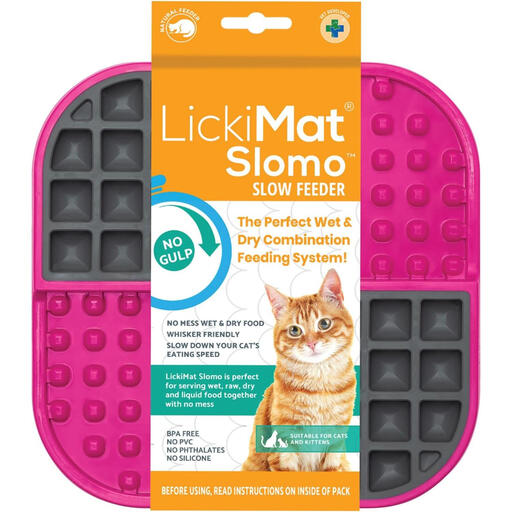
Why This Fits Their Persona: A practical option for households using mixed meals or seeking separate areas for wet, dry and liquid foods.
The low-profile format addresses whisker contact concerns, while separate pockets and bumps make it easier to vary the challenge.
Accommodates wet, dry and liquid food; rubber construction; sections can extend the time needed to finish a meal.
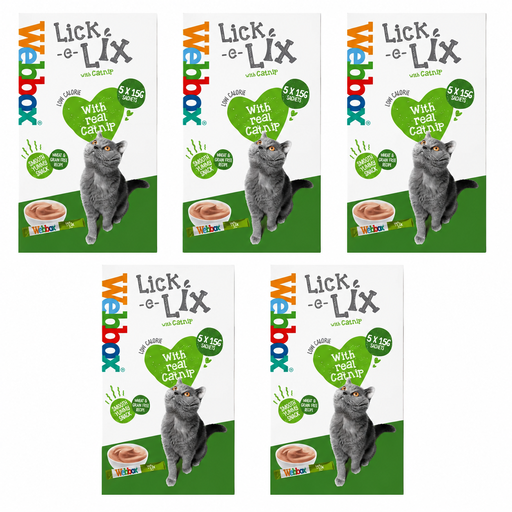
Why This Fits Their Persona: Individually portioned creamy cat treats can be served directly, mixed with food or used as a topper when a cat is reluctant to eat.
The bundle lists 25 sachets and a total net weight of 375g, making quantity and portion planning more transparent than vague value claims.
Contains real catnip; listed as grain-free and low-calorie; each sachet contains 15g and should be used as complementary food.
Start with a small quantity of familiar food and observe how your cat interacts with the feeder. Place it on a non-slip, easily cleaned floor away from busy walkways. If your cat paws, bites or becomes frustrated, stop and try a simpler arrangement.
For lickable cat treats, serve immediately after opening unless the packaging gives different instructions. Keep fresh water available and adjust the main meal to account for treats. Kittens, senior cats and cats with diagnosed health conditions may need more specific dietary guidance; consult a vet before changing their routine.
Dental cat treats should also be treated as complementary rewards, not a replacement for routine dental care. Avoid presenting any product as a treatment for dental, digestive or behavioural conditions.
We have compiled a complete, real-time list of products that fully satisfy these strict selection criteria and UK safety regulations.
Spread a thin layer of familiar wet food or creamy treat over an easily accessible section. Let your cat investigate without pressure, then gradually use more of the textured surface. Supervise the first few uses and remove the mat if your cat tries to chew it.
The feeder itself has no ongoing power cost unless you use a freezer or microwave for preparation. The main running expense is the food or treats placed on it. Using a measured portion of your cat’s usual food can provide enrichment without adding unnecessary calories.
Lifespan depends on cleaning, storage and whether the cat chews or scratches it. Wash it according to the product instructions, inspect it regularly and replace it when the surface becomes damaged. A mat used with raw food may require more frequent cleaning than one used with dry kibble.