
24/7 Customer Support

Free returns

Same-day & Next-day Delivery

Quality Guaranteed

Unlock Your Welcome Offers: FREE Delivery | Up to 80% OFF | Free 30-day JoyPlus trial
Download the APP
As a cat owner, ensuring your feline companion is healthy and comfortable is a top priority. Parasites like fleas, ticks and worms are not just a nuisance; they can pose significant health risks. Navigating the wide array of treatments can be confusing, with so many different formulas and application methods available.
My name is Joy, and as the Joybuy Product Recommendation Officer, my role is to help you find practical and effective products. This guide is designed to simplify your decision-making process by explaining the key factors to consider when choosing a cat flea and worm treatment and highlighting some reliable options for 2026.
Before looking at specific products, understanding a few key differences will help you make a more informed choice for your pet.
The two most common forms of parasite control are topical solutions and oral tablets.
Some owners prefer the ease of a spot-on, while others find tablets simpler to administer, especially if their cat is cooperative.
Treatments work in different ways, largely depending on their active ingredients.
It is crucial to select a product that is appropriate for your cat's specific needs. Always check the packaging for age and weight restrictions. A kitten flea and worm treatment will have a different dosage and formulation than one for a large adult cat. If your cat is pregnant, nursing or has a pre-existing health condition, it is always wise to consult your vet before starting any new treatment.
Here are a few standout products that address different needs, from targeted internal parasite control to comprehensive flea and tick prevention.
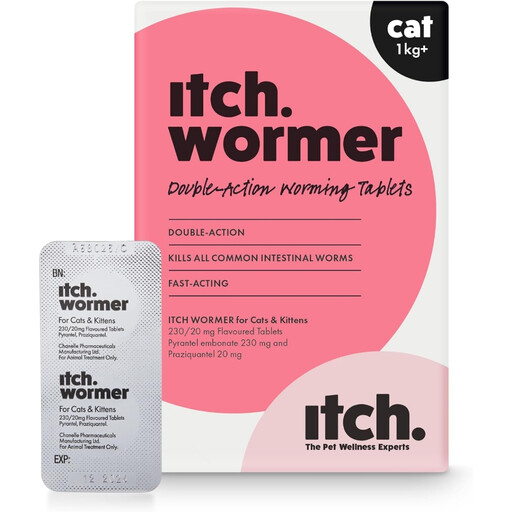
Why It Stands Out: This is a straightforward and effective solution specifically for tackling common intestinal worms, helping to break the infestation cycle.
Pros:
Who is it for?: Cat owners who need a reliable cat dewormer as part of their regular preventative health routine or to treat a current worm issue. It is particularly useful for households with young kittens.
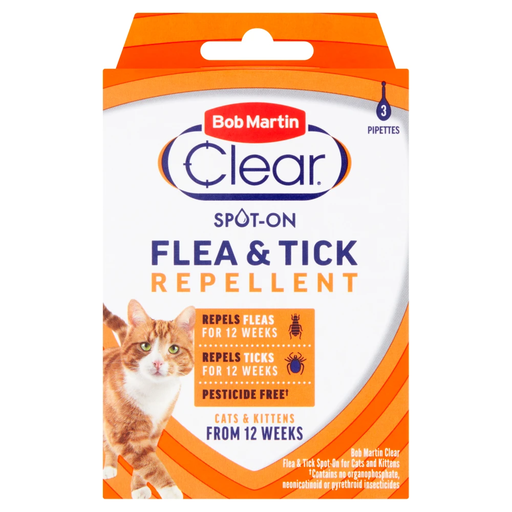
Why It Stands Out: This product offers a pesticide-free approach to parasite control, using natural-based ingredients to repel fleas and ticks.
Pros:
Who is it for?: Owners looking for a gentler, preventative tick treatment for cats and fleas. It's a good option for those who prefer to avoid conventional chemical insecticides for routine protection.
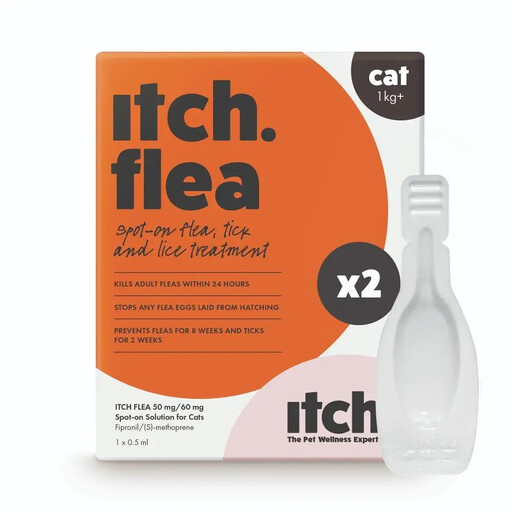
Why It Stands Out: This is a powerful, dual-action treatment that provides comprehensive cat parasite control by killing adult fleas and ticks while also halting the development of their eggs and larvae.
Pros:
Who is it for?: Cat owners who need to tackle an existing flea problem quickly and effectively, or those who want a comprehensive preventative solution that covers all stages of the flea life cycle.
Every cat is unique, and the right solution depends on their lifestyle, environment and specific needs. If these recommendations aren't quite what you're looking for, there are many other options to consider.
Explore our complete collection of Pet Supplies & Accessories to find the perfect match for your feline friend.
1. How often should I treat my cat for fleas and worms? This depends entirely on the product you use and your cat's lifestyle (e.g., whether they go outdoors). Many spot-on flea treatments are applied monthly, while worming tablets are often recommended every three months for adult cats. Always read and follow the specific instructions on the product packaging and consult your vet to create a suitable schedule.
2. Can I use a dog flea treatment on my cat? No, you must never use a dog flea product on a cat. Many treatments for dogs contain an insecticide called permethrin, which is extremely toxic to felines and can be fatal. Always use a product that is specifically formulated and licensed for use on cats.
3. What is the difference between a flea treatment and a flea repellent? A flea treatment is designed to kill parasites that are already on your pet. A flea repellent works by deterring parasites and preventing them from biting or latching onto your cat in the first place. Treatments are necessary for active infestations, while repellents are a good choice for ongoing prevention.