
24/7 Customer Support

Free returns

Same-day & Next-day Delivery

Quality Guaranteed
Download the APP
Categories
As a cat owner, your feline friend's health and comfort are a top priority. The unwelcome presence of fleas, ticks and internal worms is a common concern, not just for your pet's well-being but for the hygiene of your home. Navigating the wide array of treatments can be confusing. This guide is designed to provide clear, practical information to help you choose a suitable cat flea and worm treatment plan, ensuring your pet stays happy and protected.
Before selecting a product, it's helpful to understand the different types of treatments available and what they do. Considering your cat's lifestyle, age and specific needs will help you make an informed decision.
The two most common application methods are spot-on liquids and oral tablets.
Some products offer combined protection, while others focus on either internal or external parasites. It's important to read the label to understand what a specific product covers.
The active ingredients determine how a treatment works. Many effective products use well-established veterinary medicines. For example, fipronil for cats is a common ingredient that targets the nervous system of adult fleas and ticks, leading to their elimination. Other ingredients may act as insect growth regulators, preventing flea eggs and larvae from developing.
For those who prefer a different approach, there are also products that function as a natural flea repellent for cats. These often use plant-based extracts and essential oils to deter parasites, offering a gentler option for prevention.
Always check the product's specifications for age and weight restrictions. A treatment formulated for an adult cat may not be safe for a young animal, making a specific kitten flea and worm treatment essential for pets under a certain age or weight. Accurate dosing based on your cat's current weight is crucial for both safety and effectiveness.
Here are a few recommendations from the Joybuy team, selected to address different needs and preferences for parasite control.
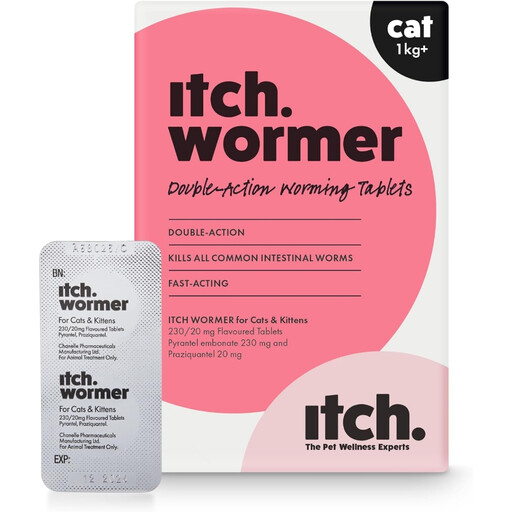
Why It Stands Out: This treatment focuses specifically on internal parasites. Its formula is designed to kill common intestinal worms and help break the infestation cycle by preventing newly hatched larvae from developing.
Pros:
Who is it for? This is a suitable choice for cat owners who need a dedicated solution for internal parasites and prefer the targeted action of worming tablets for cats. It's particularly useful as part of a regular health routine to manage worm-related risks.
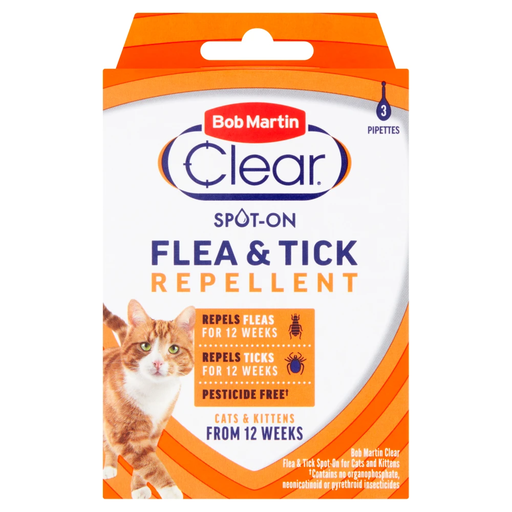
Why It Stands Out: This product offers a pesticide-free approach to parasite control. It uses a combination of Margosa Extract and Lavandin Oil to repel fleas and ticks, making it a gentler choice for external parasite management.
Pros:
Who is it for? Ideal for cat owners seeking a natural flea repellent for cats. It's a good preventative measure for cats from 12 weeks of age, especially for those whose owners prefer to avoid conventional chemical insecticides for routine cat tick treatment and flea control.
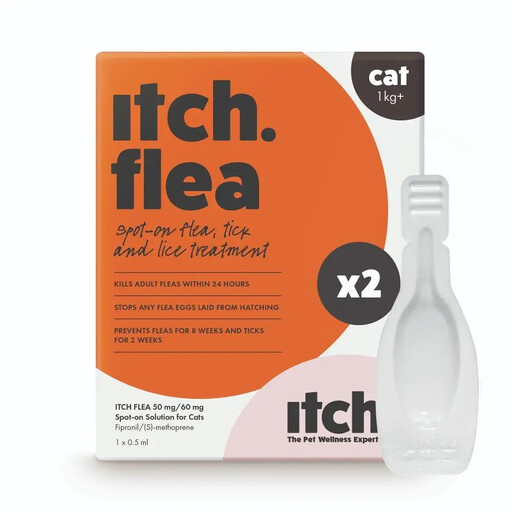
Why It Stands Out: This is a dual-action cat flea spot on treatment that tackles infestations on multiple fronts. It contains Fipronil to kill adult fleas and ticks quickly and (S)-Methoprene, an insect growth regulator that stops flea eggs and larvae from developing. This combination helps to break the flea life cycle.
Pros:
Who is it for? This is a strong option for cat owners who need to deal with an active flea infestation or want a robust, fast-acting preventative. Its ability to break the life cycle makes it a thorough solution for controlling fleas in the home environment.
If you haven't found the perfect match for your cat's needs here or if you're looking for other pet care essentials, there is a wider selection available.
️ Explore our full range of Pet Supplies & Accessories to find more solutions.
The frequency of treatment depends on the product you use, your cat's lifestyle (e.g., indoor vs. outdoor) and your vet's advice. Generally, many spot-on flea treatments are applied monthly, while worming tablets are often given every 3 months. Always read and follow the specific instructions on the product packaging.
No, you must never use a flea treatment formulated for dogs on your cat unless it is explicitly stated to be safe for both species. Many dog flea products contain permethrin, an insecticide that is highly toxic to cats and can cause severe neurological damage or even be fatal.
Some treatments, often those containing ingredients like fipronil, work by killing parasites after they come into contact with your pet's skin or fur. Repellent products, typically those with natural extracts, work by deterring parasites from landing or biting your pet in the first place. The choice between them depends on whether you are managing an active infestation or focusing on prevention.