
24/7 Customer Support

Free returns

Same-day & Next-day Delivery

Quality Guaranteed

Unlock Your Welcome Offers: FREE Delivery | Up to 80% OFF | Free 30-day JoyPlus trial
Download the APP
As a cat owner in the UK, you want the very best for your feline companion. While we focus on the quality of their food, the vessel it's served in is just as crucial for their health and comfort. The market for cat food bowls is flooded with options, but many come with hidden flaws that can lead to wasted money and an unhappy cat. This guide will help you navigate the clutter and make a practical choice.
My role as a Joybuy Product Recommendation Officer is to filter market information and provide objective advice. Let's look past the marketing hype and focus on what truly matters.
Before you buy, be aware of these common issues that often go unnoticed until it's too late.
To ensure you're getting a product that's safe, durable and practical, focus on these three core parameters.
The material of your cat's bowl impacts hygiene, safety and longevity.
Not all cats have the same eating habits. Your choice of bowl should reflect their individual needs.
A bowl should stay put. Look for options with a heavy base or a non-slip silicone ring or bottom. This is non-negotiable for preventing spills and ensuring your cat can eat without chasing its food across the room. Furthermore, a bowl with a smooth, simple interior is far easier to clean thoroughly, preventing the build-up of harmful bacteria. Always check if the bowl is dishwasher-safe for added convenience.
Based on these practical criteria, here are some recommendations matched to different owner and cat profiles.
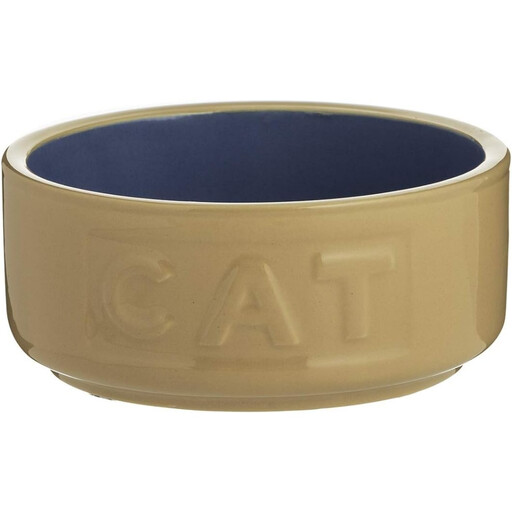
Why This Fits Their Persona: This owner wants a functional item that also complements their home decor. The classic Mason Cash design is timeless, and the stoneware material feels premium and substantial, fitting perfectly into a well-kept UK home.
Its heavy stoneware construction prevents sliding and tipping. The smooth, glazed inner surface is non-porous and very easy to clean, avoiding the hygiene trap.
Made from durable, chip-resistant stoneware. The 130mm diameter is wide enough for comfortable eating, and it is dishwasher-safe for easy maintenance.
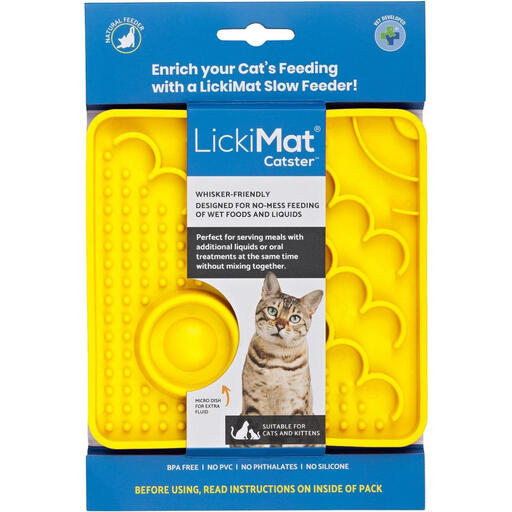
Why This Fits Their Persona: This owner is concerned about their cat's digestion and well-being. They need a practical tool to solve the problem of eating too quickly, and they also appreciate the added benefit of mental stimulation for their pet.
This is a purpose-built cat enrichment feeder, not a simple bowl. It directly addresses the health concerns of fast eating and provides a solution that goes beyond basic food delivery.
Encourages licking, which slows eating and can have a calming effect. The varied surfaces work with wet food, raw food and kibble, making it a versatile feeding tool.
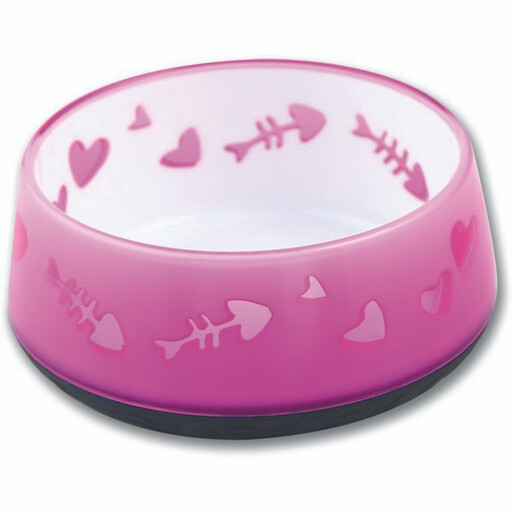
Why This Fits Their Persona: This owner is tired of cleaning up spills. They need a no-fuss, effective solution that stops the bowl from sliding. Functionality and ease of cleaning are their top priorities.
It directly solves the sliding bowl problem with its full silicone non-slip base. Its shallow design also addresses the whisker-fatigue concern without needing a fancy marketing label.
The silicone base provides excellent grip on smooth floors. It is made from food-grade, BPA-free materials and is top-rack dishwasher safe for simple cleaning.
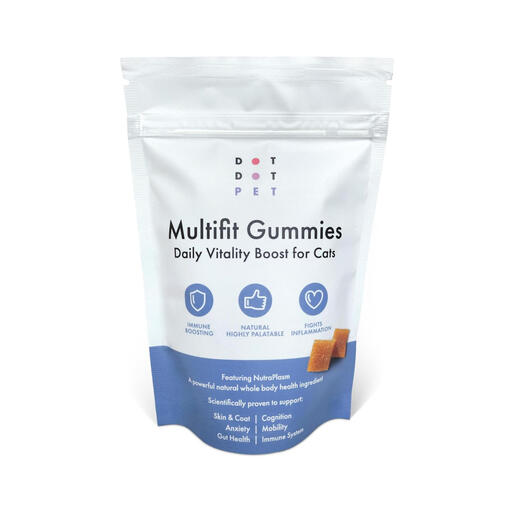
Why This Fits Their Persona: This owner understands that a good bowl is just one part of their cat's health. They are looking for ways to support overall wellness, from immunity to joint health, and prefer convenient, scientifically-formulated solutions.
This avoids the trap of thinking a feeding tool alone is enough. It complements a good diet and proper feeding setup by providing targeted nutritional support with cat health supplements.
Provides a daily dose of plasma and collagen to support immunity, gut health, skin and joints. The soft, tasty gummy format is easy to administer, even for picky cats.
We have compiled a complete, real-time list of products that fully satisfy these strict selection criteria and UK safety regulations.
You should clean your cat's food bowl after every meal, especially if you serve wet food. Bacteria can multiply rapidly on leftover food. Water bowls should be cleaned and refilled with fresh water daily. A weekly deep clean with hot, soapy water or in a dishwasher (if safe) is also recommended.
Yes, provided they are of good quality. Look for bowls made from durable stoneware with a lead-free, food-grade glaze. Avoid any ceramic bowls that are chipped or cracked, as these imperfections can harbour bacteria or potentially leach materials.
A cat slow feeder is recommended if your cat eats very quickly, often leading to regurgitation or vomiting shortly after meals. It's also a great tool for cats who are overweight, as it makes a smaller portion of food last longer and feel more satisfying. Finally, it can serve as a form of enrichment for indoor cats who may be bored.