
24/7 Customer Support

Free returns

Same-day & Next-day Delivery

Quality Guaranteed

Unlock Your Welcome Offers: FREE Delivery | Up to 80% OFF | Free 30-day JoyPlus trial
Download the APP
Choosing cat food in the UK can feel straightforward until you compare labels, flavours, textures and feeding claims. A colourful pouch may appeal to your cat, but it may not suit their age, lifestyle or everyday nutritional needs.
The most useful approach is to look beyond front-of-pack wording and check three things first: whether the food is complete or complementary, whether it matches your cat’s life stage, and whether the format suits your feeding routine.
Soups, broths, snacks and some shredded fish recipes can be appealing additions, but they are not always designed to replace a complete diet. A product labelled complementary pet food should be fed alongside a complete meal, not as the sole food source.
For example, soup-style pouches can add moisture and variety, while cat treats are intended for occasional use. Always check the statutory name and feeding instructions on the packaging.
Terms such as “natural”, “grain-free” and “no added sugar” describe particular recipe features, but they do not automatically indicate that a food is suitable for every cat. Grain-free cat food may be useful for owners avoiding specific ingredients, but ingredient sensitivities should be discussed with a vet.
Likewise, a recipe can be grain-free while still being unsuitable for kittens, senior cats or cats requiring a veterinary diet.
Cat preferences vary considerably. A large cat food multipack may seem economical, but it can create waste if your cat dislikes the texture or flavour. Consider buying a smaller selection first, particularly when switching from dry cat food to wet cat food or introducing salmon cat food.
For everyday feeding, look for wording such as complete pet food for adult cats, complete kitten food or another statement confirming that the product is nutritionally complete for its intended life stage.
Wet meals, dry food and mixed-feeding plans can all work, provided the total daily diet is balanced. Complementary products, including cat treats, soups and toppers, should remain a limited part of the routine.
A kitten’s nutritional requirements differ from those of an adult or senior cat. Check the recommended age range carefully:
Feeding guides are starting points rather than fixed rules. Adjust portions according to body condition, activity level and whether wet and dry food are being combined.
Compare the composition and analytical constituents rather than relying only on flavour names. Moisture levels are particularly relevant when comparing wet and dry food: pouches and trays contain considerably more water, while kibble is more concentrated and requires constant access to fresh drinking water.
Also check:
Introduce any new cat food gradually over several days. Sudden changes can lead to digestive upset, even when the new product appears suitable.

Why This Fits Their Persona: The 8 x 85g selection gives new cat owners two chicken recipes to trial without committing to a very large pack.
It is labelled for adult cats aged 1 year and above, helping avoid the mistake of feeding an age-inappropriate recipe.
Two flavours, 85g pouches, grain-free recipe and stated 82% moisture.
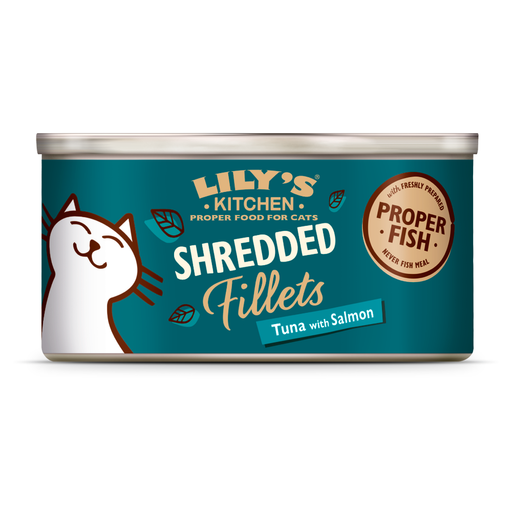
Why This Fits Their Persona: A smaller seafood pouch suits owners prioritising texture, ingredient detail and a broth-style serving for an adult cat or kitten over six months.
The listing clearly identifies it as complementary, so it should not be mistaken for a complete main diet.
47% tuna, 4% salmon, 82% moisture and a shredded texture served in broth.

Why This Fits Their Persona: It is specifically labelled for kittens aged 2–12 months and offers four flavours for households managing changing preferences.
The life-stage label makes it easier to distinguish kitten food from adult cat food.
Eight 85g pouches, four recipes, 14.5% crude protein and 81 kcal per pouch as listed.
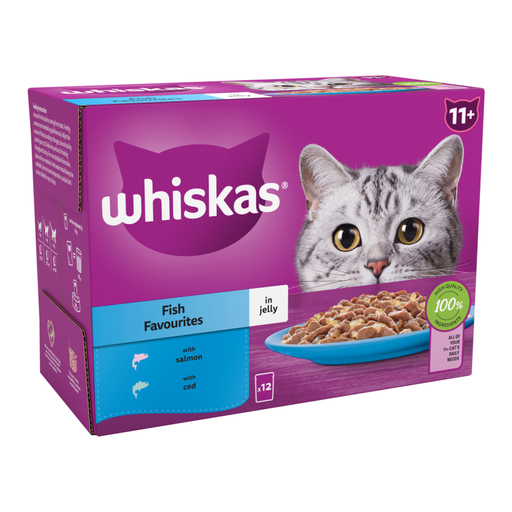
Why This Fits Their Persona: The 12-pouch format is practical for owners feeding an older cat who prefers soft, fish-flavoured meals.
It is clearly designated for cats aged 11+, rather than relying on a general adult label.
Complete wet food, 12 x 85g pouches and a jelly texture.
We have compiled a complete, real-time list of products that fully satisfy these strict selection criteria and UK safety regulations.
Neither format is automatically suitable for every cat. Wet cat food has a higher moisture content and may appeal to cats that prefer soft textures. Dry cat food is convenient to portion and store. Mixed feeding can be appropriate when portions are adjusted and both products fit the cat’s life stage.
Follow the product label. Many wet pouches should be refrigerated after opening and used within 24–48 hours, while some kitten recipes specify up to three days. Serve food at room temperature where instructed, and discard anything that looks or smells unusual.
Compare the cost per pouch or kilogram, not only the pack price. A multipack may reduce the unit cost, but only if your cat eats the food consistently. Include treats and complementary products in the overall budget, and prioritise a suitable complete diet for everyday meals.