
24/7 全天候客户支持

免费退货

当日/次日达

品质保障

开启新人专享福利: 全场免邮 | 低至 2 折 | 免费试用 30 天 JoyPlus 会员
下载 Joybuy
Choosing cat food and treats can seem straightforward until you compare life-stage labels, ingredient lists, pack sizes and feeding instructions. A colourful pouch may look appealing, yet it may be a supplementary topper rather than a complete meal. Similarly, a large multipack is not automatically economical if your cat refuses half the flavours.
This guide from the Joybuy Product Recommendation Officer focuses on the details that affect everyday value: nutritional suitability, portion control, texture, storage and grooming practicality.
Many cat treats, creamy cat treats and fish-flavoured toppers are designed to supplement a diet. They are not necessarily suitable as a cat’s main meal. Look for wording such as “complete pet food” or “complete and balanced cat food” when buying everyday meals.
A product labelled “complementary pet food” should be fed alongside a suitable complete diet. Its calories should also be included in the daily allowance.
Kittens have different nutritional requirements from adult cats. A kitten wet food product should clearly state the intended age range, such as 2–12 months. Adult cat wet food is generally labelled for cats aged 1 year and above.
Do not select food solely because your cat enjoys the flavour. Check the statutory name, feeding guide and suitability information. A kitten recipe may not be appropriate for an adult cat’s maintenance diet, while adult food may not be formulated for kitten growth.
Grain-free cat food can be useful for owners avoiding specific ingredients, but “grain-free” alone does not establish that a product is complete, nutritionally superior or suitable for a particular sensitivity. Review the full composition and analytical constituents, especially if your cat has a diagnosed dietary issue. A vet can advise on clinically relevant exclusions.
For main meals, prioritise a clearly labelled complete food. Check whether the product includes feeding guidance for your cat’s age, weight and activity level. Wet food commonly contains a high proportion of moisture, so compare products using the information on the label rather than judging quality from packaging language.
Treats such as creamy sachets and semi-moist sticks should remain occasional extras. For example, a creamy treat may contain around 54 kcal per 100g but still be unsuitable as a sole diet because it is labelled supplementary.
Individual 70g or 85g pouches can support portion control and reduce opened-food waste. This is useful for kittens eating small, frequent meals or households managing different feeding times.
Check storage instructions carefully. Unopened pouches usually require a cool, dry place. Once opened, refrigerate unused food and follow the label’s time limit. Gradually introduce a new recipe over several days to reduce the chance of digestive upset.
Texture can influence acceptance. Jelly, gravy and shredded fillets suit different preferences, while creamy treats can be served by hand, in a bowl or as a topper. Compare named ingredients and percentages rather than relying on flavour names alone. “Salmon flavour”, for example, may contain a smaller proportion of salmon than a product listing salmon as a principal ingredient.
For grooming, select a cat grooming brush with rounded tips, comfortable handling and a cleaning mechanism that makes regular use easier. A de-shedding brush for cats should be used gently and stopped if the cat shows discomfort. Brushing is not a substitute for veterinary attention where there are mats, skin lesions or unusual shedding.
The following selections reflect different needs rather than one universal choice.
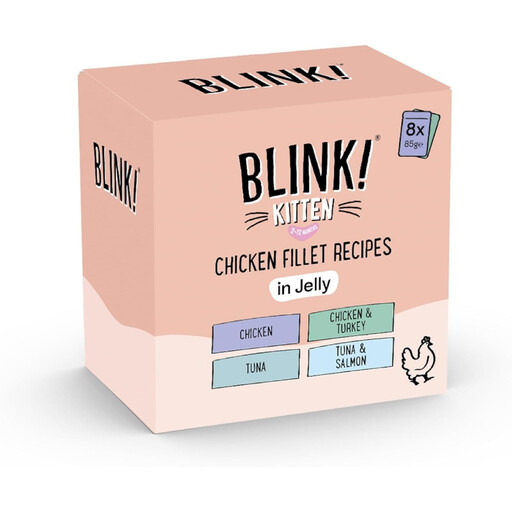
Why This Fits Their Persona: An accessible starter pack for UK owners introducing varied wet meals to a kitten aged 2–12 months, without committing to a large case before checking preferences.
The listing identifies the kitten life stage and provides four flavours, making it easier to compare acceptance before buying in bulk.
Eight 85g pouches; chicken, turkey, tuna and tuna with salmon varieties; 14.5% crude protein and 81 kcal per pouch as listed.
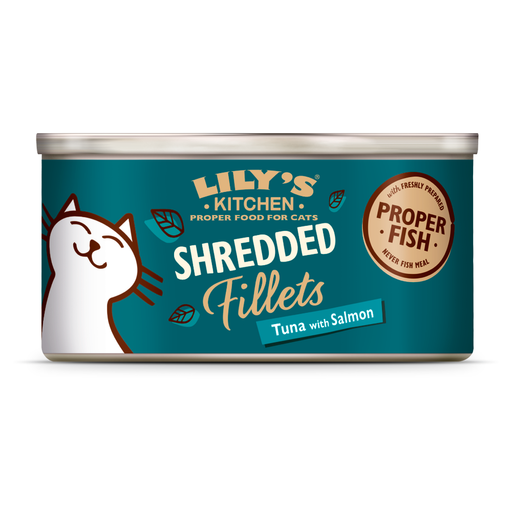
Why This Fits Their Persona: A smaller pouch for owners who value a shredded fish texture and want to use a seafood recipe as a meal topper or complementary option.
The product information clearly identifies it as complementary, helping prevent buyers from treating a topper as a sole daily diet.
Lists 47% tuna and 4% salmon; shredded texture in broth; suitable for adult cats and kittens over six months, according to the listing.
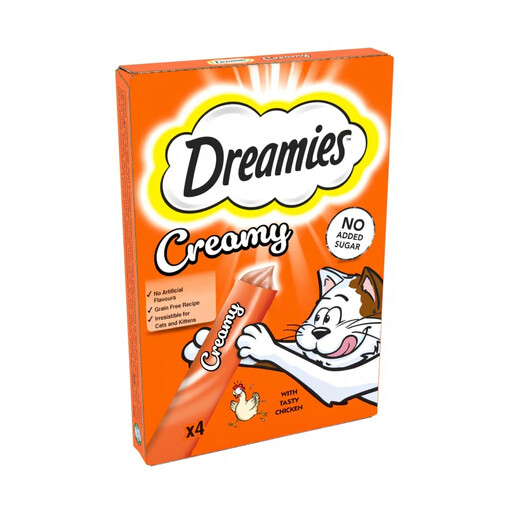
Why This Fits Their Persona: Useful for owners wanting a small, portioned reward that can be hand-fed, served in a bowl or added as a topper.
It is clearly described as a supplementary treat, with guidance to feed up to one sachet daily and adjust the main meal accordingly.
Four 10g sachets; chicken included at 4%; grain-free recipe with no added sugar, artificial colours or flavours as listed.
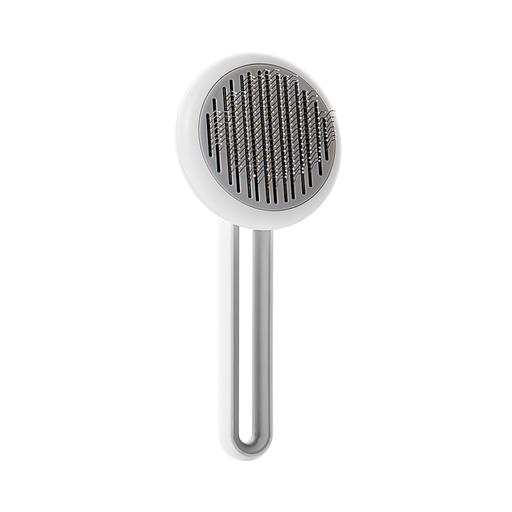
Why This Fits Their Persona: A practical option for cat households dealing with regular loose fur, including owners who want an easier clean-up routine after brushing.
Rounded rubber-tipped bristles and a one-touch hair-release button address two common problems: uncomfortable brushing and awkward bristle cleaning.
Stainless-steel bristles; 150° bent design; suitable for cats, kittens, dogs and rabbits as stated in the product information.
Yes, provided it is labelled as a complete wet pet food for the kitten’s age and fed according to the manufacturer’s guidance. A complementary product, topper or treat should not replace the main diet.
Follow the pack instructions and keep treats occasional. Creamy treats and semi-moist sticks add calories, so reduce the main meal if necessary. Cats with dietary sensitivities may need an individually tailored plan.
Use short, gentle sessions suited to your cat’s coat and tolerance. Avoid pressing hard or repeatedly brushing one area. If there are mats, sore skin or sudden heavy shedding, consult a veterinary professional rather than increasing brushing pressure.