
24/7 Customer Support

Free returns

Same-day & Next-day Delivery

Quality Guaranteed

Unlock Your Welcome Offers: FREE Delivery | Up to 80% OFF | Free 30-day JoyPlus trial
Download the APP
Navigating the world of cat food can feel overwhelming. Shelves are packed with bags and pouches, all making bold claims. As a cat owner in the UK, you want to provide nourishing, palatable food for your feline companion, but it's easy to fall into common purchasing traps that don't benefit your cat or your budget. My role as Joybuy’s Product Recommendation Officer is to help you see past the marketing jargon and focus on what truly matters for your cat's health.
Before you make your next purchase, let’s look at a few common pitfalls that can lead to confusion and wasted money.
grain free cat food has become a major marketing buzzword. While it is an essential choice for cats with specific grain allergies or sensitivities, it is not an automatic indicator of superior quality for every cat. Many felines digest high-quality grains perfectly well. The true measure of a food's quality lies in its overall nutritional composition, particularly the source and amount of protein, not just the absence of grains.natural cat food should have a transparent ingredient list, free from artificial colours, flavours and preservatives. Instead of being swayed by vague terms, learn to read the composition list to understand what you are actually buying.complete cat food is formulated to provide all the nutrients your cat needs to thrive daily. In contrast, "complementary" food, which includes many cat treats and some types of wet cat food, is not nutritionally balanced and should only be given as a supplement to a complete diet. Mistaking one for the other can lead to nutritional deficiencies.To make an informed choice, focus on these core parameters. They will empower you to analyse any cat food label and determine if it’s the right fit for your pet.
The ingredients are listed by weight, so the first few items make up the bulk of the food. Look for a high-quality, named animal protein source at the top of the list, such as "deboned chicken," "duck" or "rabbit." This is a good indicator of a high protein cat food. Be cautious of generic terms like "meat and animal derivatives," which can be ambiguous about the protein source and quality. A clear, specific list is always preferable.
Each type of cat food offers distinct benefits, and the right choice depends on your cat's health, age, and preferences.
Dry cat food (Kibble): This is a convenient and cost-effective option. The crunchy texture can help with dental cleaning, and it can be left out for cats who prefer to graze. Ensure any dry food you choose is a complete cat food to meet all nutritional needs.Wet cat food: Served in pouches or tins, this food has a high moisture content, which is excellent for keeping your cat hydrated, supporting kidney function and urinary health. It is often highly palatable, making it a good choice for fussy eaters.Freeze dried cat food: This format offers the nutritional advantages of a raw diet—such as high levels of unprocessed protein and nutrients—with the convenience of dry kibble. The food is simply rehydrated with water before serving. It's an increasingly popular choice for owners seeking minimally processed, nutrient-dense options.A cat's nutritional requirements change throughout its life.
Kitten food: Kittens need more calories, protein and specific nutrients like DHA for brain and eye development. Always choose a formula specifically designed for growth until they are around 12 months old.Cat food for sensitive stomachs: If your cat experiences digestive upset, a formula with a single, novel protein source (like duck or rabbit) and easily digestible ingredients can provide relief. These are often grain-free and avoid common allergens.To help you apply this knowledge, here are a few recommendations matched to different owner and cat profiles.
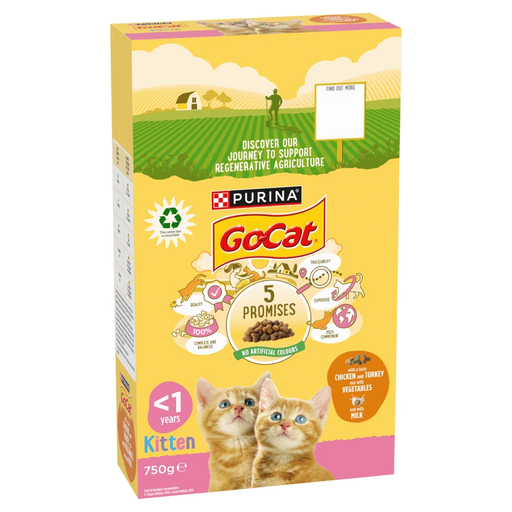
Why This Fits Their Persona: For those welcoming a new kitten, this food provides a straightforward, reliable nutritional foundation. It's specifically formulated with the higher protein (35%) and vitamin levels essential for a growing cat's first year.
It is clearly labelled as a complete pet food for kittens, eliminating any confusion between complete and complementary foods. This ensures your new pet gets all required nutrients from their main meals.
Contains essential minerals and Vitamin D for teeth and bones, plus taurine for healthy vision and heart function. Also suitable for pregnant or lactating cats.
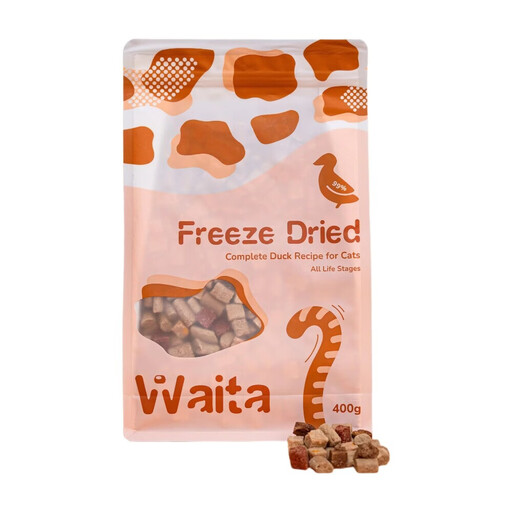
Why This Fits Their Persona: This is for the owner seeking a minimally processed, high-protein diet, especially for a cat with sensitivities. The single-protein duck recipe is ideal for felines with chicken allergies, a common issue.
It cuts through the vague "natural" marketing by providing a transparent, high-quality ingredient list. It contains 99.2% whole-animal ingredients, including named meat, organs and bone, showing exactly what you're feeding your cat.
Offers the benefits of a raw diet with the convenience of kibble. It's a complete food with very high protein (≥52%) and includes pumpkin to support healthy digestion.

Why This Fits Their Persona: Perfect for owners who want to provide a varied, high-moisture diet that feels like a treat but is nutritionally complete. The high meat content and grain-free recipe appeal to those looking for a premium wet food experience for their adult cat.
This food substantiates its premium quality with a clear, high meat content of 93% turkey, beef and chicken. It avoids the "gourmet" trap by providing tangible, high-value ingredients rather than just marketing terms.
A grain-free, complete wet food that is highly palatable and supports hydration. Free from artificial flavours, colours or preservatives.
We have compiled a complete, real-time list of products that fully satisfy these strict selection criteria and UK safety regulations.
A sudden change in diet can cause digestive upset. It is important to transition your cat to a new food gradually over a period of 7-10 days. Start by mixing a small amount of the new food (around 25%) with their old food (75%). Every couple of days, increase the proportion of the new food while decreasing the old, until you have fully switched over.
Neither is inherently "better"; they simply serve different purposes. Dry cat food is convenient and can help reduce tartar build-up. Wet cat food is excellent for increasing a cat's water intake, which is vital for urinary tract health. Many owners find that a mixed-feeding approach, offering both wet and dry food, provides a good balance of benefits.
The feeding guide on the packaging is a good starting point, but it is not a strict rule. The ideal amount depends on your cat's age, breed, weight and activity level. A highly active outdoor cat will require more calories than a sedentary indoor cat. Monitor your cat's body condition and adjust the portion size as needed to maintain a lean, healthy weight. If you are unsure, your veterinarian can provide specific advice.