
24/7 Customer Support

Free returns

Same-day & Next-day Delivery

Quality Guaranteed

Unlock Your Welcome Offers: FREE Delivery | Up to 80% OFF | Free 30-day JoyPlus trial
Download the APP
Navigating the aisles of cat food can be a confusing task. With so many options available, it’s difficult to know which one is right for your feline companion, especially as their needs change from adulthood into their senior years. As a cat owner, you want to provide a diet that is both nutritious and enjoyable for your pet, without falling for marketing hype.
My name is Joy, and as the Joybuy Product Recommendation Officer, my role is to help you make informed choices. This guide offers practical advice on selecting the right cat food, breaking down the key differences between food types and life-stage formulas. We will also look at some popular and reliable options available in the UK.
Before you fill your shopping basket, consider these key factors. Understanding them will help you find a food that suits your cat's health needs, preferences and your budget.
One of the first decisions is whether to choose wet or dry cat food. Both offer complete nutrition but have distinct benefits.
Many owners find a mixed-feeding approach, combining both wet and dry food, offers a good balance of hydration, dental benefits and variety.
A cat's nutritional requirements evolve with age. A food formulated for an adult cat may not be suitable for an older one.
Always check the packaging to ensure the food is appropriate for your cat's specific life stage.
Here are a few recommendations that are popular with UK cat owners for their balanced nutrition and reliable quality.
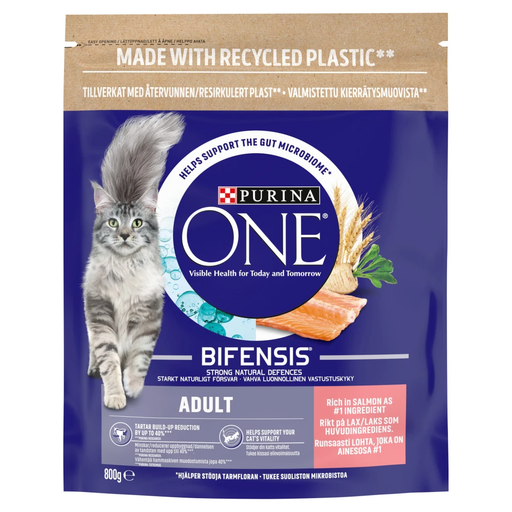
Why It Stands Out This dry cat food is a complete nutritional package for adult cats. With salmon as the number one ingredient, it provides a high-quality protein source. According to the brand, its BIFENSIS formula is designed to help support a cat's natural defences. The recipe includes a balanced mix of vitamins and minerals to contribute to overall health.
Pros
Who is it for? This is a suitable choice for owners of adult cats (1-6 years) seeking a nutrient-dense dry food that supports everyday health and vitality.

Why It Stands Out This Felix cat food selection is specifically designed for the needs of older cats. The tender, steam-cooked chunks of fish in jelly are easy to chew and highly palatable. As a dedicated senior cat food, it contains a balance of proteins, vitamins and antioxidants to help keep mature cats energetic and healthy.
Pros
Who is it for? Ideal for owners of senior cats who prefer wet food. The soft texture and fish-based recipes are often a hit with older felines, and the bulk pack is practical for regular feeding.

Why It Stands Out For the senior cat that enjoys a bit of everything, this mixed selection offers a wider range of flavours. Alongside fish varieties, it includes chicken and lamb to prevent flavour fatigue. Like the fish selection, it provides 100% complete and balanced nutrition tailored for cats aged 7 and over, with essential vitamins and minerals.
Pros
Who is it for? This is a great option for owners of senior cats who are fussy eaters or simply enjoy variety. It provides the same age-specific benefits as the fish selection but with a broader menu.
Every cat has unique tastes and dietary needs. If the recommendations above aren't the perfect fit, or if you're searching for different proteins or specialised formulas, there are many other choices available. For cats who particularly love fish-based meals, you can explore our dedicated fat fish category for more options.
1. How much food should I feed my cat? The correct portion size depends on your cat's age, weight, breed and activity level. The feeding guide on the product packaging is the best place to start. Adjust the amount as needed to maintain a lean, healthy body weight, and always ensure fresh, clean drinking water is available.
2. Is it okay to mix wet and dry cat food? Yes, mixed feeding is a popular and beneficial practice. It combines the dental and convenience benefits of dry food with the hydration and palatability of wet food. If you choose to mix-feed, be sure to calculate the total daily calorie intake from both sources to prevent overfeeding.
3. How should I switch my cat to a new food? To avoid digestive upset, introduce new food gradually over a period of 7 to 10 days. Start by mixing a small amount of the new food (around 25%) with their old food (75%). Slowly increase the proportion of the new food every couple of days until you have fully transitioned.