
24/7 Customer Support

Free returns

Same-day & Next-day Delivery

Quality Guaranteed

Unlock Your Welcome Offers: FREE Delivery | Up to 80% OFF | Free 30-day JoyPlus trial
Download the APP
As a cat owner, navigating the aisles of cat food can feel overwhelming. With countless brands, formulas and marketing claims, it's easy to feel unsure if you're making the right choice for your feline companion. Many well-intentioned owners fall into common traps, often due to confusing packaging or over-hyped features that don't necessarily benefit their cat.
Before you make your next purchase, let's clear up a few common pitfalls:
To make an informed decision, focus on a few core parameters on the product label. This will help you see past the marketing and choose a food that genuinely suits your cat.
This is the most important check. The packaging must state whether the product is a "complete cat food" or "complementary pet food".
A cat's nutritional requirements change significantly with age. Always choose a food that is specifically formulated for their current life stage.
Look for a high-quality, named animal protein source (e.g., "chicken," "salmon," "lamb") listed as one of the first ingredients. This indicates that the food is based on meat rather than being bulked out with less nutritious fillers. While brands like Whiskas and Felix are popular choices, it's always wise to review the composition to ensure it aligns with your cat's needs.
Based on these practical criteria, here are a few options tailored to different cat owner profiles.
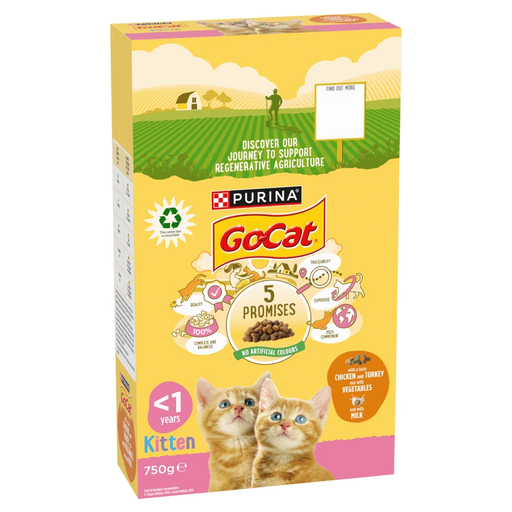
Why This Fits Their Persona: Perfect for those welcoming a new kitten home, this food is specifically designed to support their intense growth phase. It provides a complete nutritional foundation without the need for complex meal planning.
This is clearly labelled as a complete pet food for kittens up to 1 year, directly addressing the life-stage confusion pitfall and ensuring your growing cat gets the right nutrients.
Formulated with high protein (35%) for muscle development and includes essential vitamins like D? and Taurine, which are vital for a kitten's health.
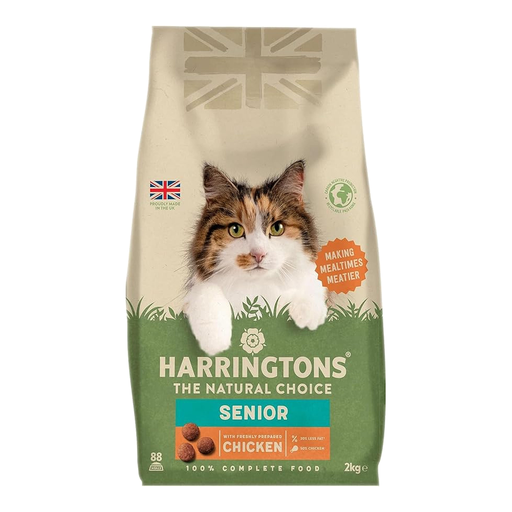
Why This Fits Their Persona: Ideal for owners of cats aged 7 and over who are looking for targeted nutrition. This food addresses common senior issues like joint stiffness and digestive sensitivity.
This is a dedicated senior cat food, avoiding the one-size-fits-all pitfall. Its grain-free formula also addresses the filler concern by using sweet potato and peas as carbohydrate sources.
Contains glucosamine and chondroitin for joint support and prebiotics (FOS) to aid digestion, two key benefits for older cats.
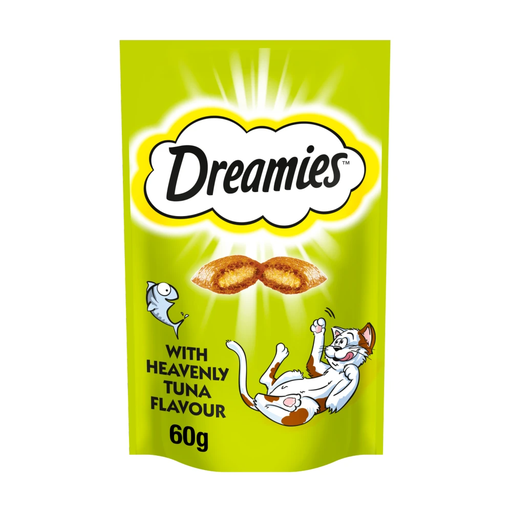
Why This Fits Their Persona: For owners who love to reward their cat and share moments of joy. These popular Dreamies treats are perfect for training or just as a special snack, without unbalancing their main diet.
These are clearly a complementary food. With only 2 kcal per treat and clear feeding guidelines, it helps owners avoid the trap of overfeeding or replacing a proper meal with snacks.
The dual-texture design—crunchy on the outside, soft on the inside—is highly palatable to most cats. They are also enriched with vitamins and minerals.
We have compiled a complete, real-time list of products that fully satisfy these strict selection criteria and UK safety regulations.
The correct portion size depends on your cat's age, weight and activity level. Every bag of complete cat food will have a feeding guide printed on it, usually in a chart format. This is your starting point. You may need to adjust the amount slightly to maintain your cat's ideal body condition—you should be able to feel their ribs easily but not see them.
To avoid digestive upset, you should transition your cat to a new food gradually over a period of 7-10 days. Start by mixing a small amount of the new food (around 25%) with their old food (75%). Every couple of days, increase the proportion of the new food until you have fully switched over.
Not necessarily. A grain-free cat food is essential for cats with a diagnosed grain allergy or sensitivity. However, for most cats, grains can be a perfectly acceptable source of carbohydrates and energy. The overall quality of the ingredients, particularly the protein source and the nutritional balance, is more important than simply whether the food contains grain or not. If you suspect your cat has a food sensitivity, it is always advisable to consult your veterinarian.