
24/7 Customer Support

Free returns

Same-day & Next-day Delivery

Quality Guaranteed

Unlock Your Welcome Offers: FREE Delivery | Up to 80% OFF | Free 30-day JoyPlus trial
Download the APP
As a nation of cat lovers, we want to provide our feline companions with the nourishment they need to thrive. Yet, the sheer variety of cat food on the shelves can be overwhelming. Navigating marketing claims and complex ingredient lists often leaves owners confused and worried they might be making the wrong choice.
As the Joybuy Product Recommendation Officer, my role is to help you cut through the clutter. This guide will highlight common purchasing pitfalls and break down the essential factors to consider, ensuring you can confidently select the right food for your cat's unique needs.
Before you buy, be aware of a few common misunderstandings that can lead to poor choices for your pet and your wallet.
To make an informed decision, focus on these three non-negotiable parameters.
A cat's nutritional needs change dramatically throughout its life.
Cats are obligate carnivores, meaning they must have animal-based protein in their diet to survive. When analysing a label, look for a high percentage of protein derived from named animal sources. Furthermore, check for the inclusion of Taurine. This is an essential amino acid that cats cannot produce sufficiently on their own. It is vital for maintaining healthy vision, heart function and digestion. All complete cat foods should be fortified with it.
There are benefits to both wet cat food and dry cat food, and many owners choose to feed a combination of the two.
To help you match a product to your circumstances, here are a few options suited to different owner profiles.
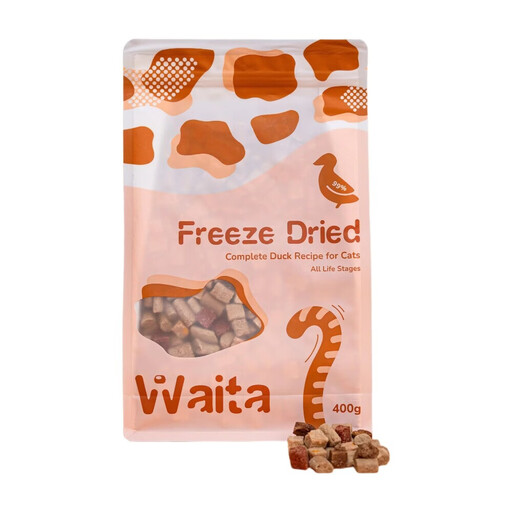
Why This Fits Their Persona: This owner prioritises high-meat content and transparent, minimal-ingredient lists. The freeze-dried format offers the nutritional benefits of a raw diet with the convenience of dry kibble, appealing to those seeking a high-quality, natural cat food.
It is a complete food with a highly specific ingredient list (e.g., "Duck Meat 65%"), avoiding the vague "derivatives" trap and providing full transparency.
Features a single-protein source (duck), making it a good option for a hypoallergenic cat food trial. It boasts a very high protein content (≥52%) from whole-animal ingredients.
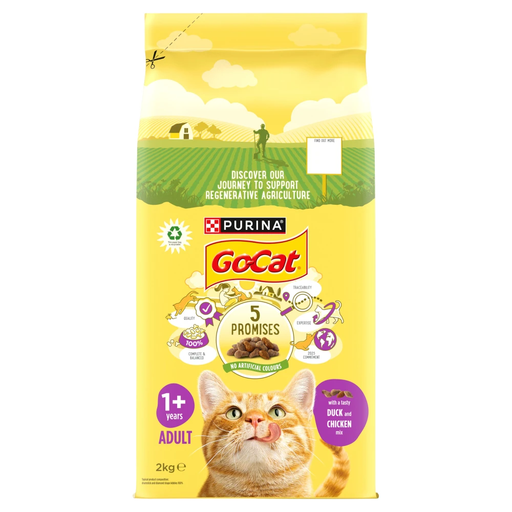
Why This Fits Their Persona: This owner needs a reliable, everyday food that provides all necessary nutrients without a premium price tag. This 2kg bag offers great value for a complete and balanced diet from a trusted UK brand.
It is clearly labelled as "100% complete and balanced nutrition," removing any guesswork and ensuring the cat isn't being fed a complementary-only diet by mistake.
Provides a solid nutritional foundation with 30% protein and essential fatty acids at an accessible price point, making it a practical choice for daily feeding.
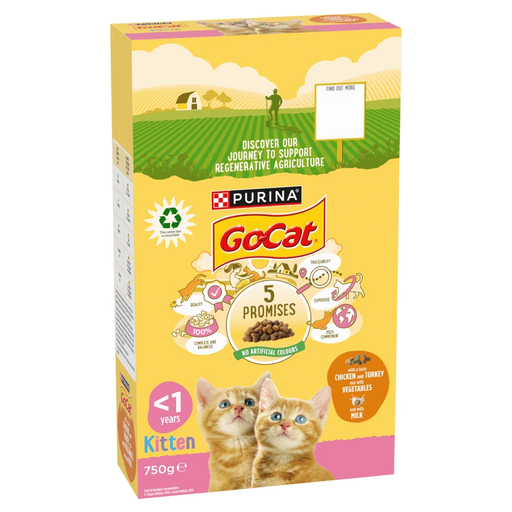
Why This Fits Their Persona: First-time or experienced kitten owners need a reliable, specially formulated food to support healthy development. This product is designed specifically for the high-energy needs of kittens.
This is a life-stage-specific complete food, preventing the common mistake of feeding a kitten an adult formula that lacks the necessary calories and nutrients for growth.
Formulated with 35% protein and enriched with vitamins and minerals to support the development of bones, teeth and muscles in kittens up to 1 year old.
We have compiled a complete, real-time list of products that fully satisfy these strict selection criteria and UK safety regulations.
1. How do I switch my cat to a new food? To avoid an upset stomach, you should transition your cat to a new food gradually. Over a period of 7-10 days, start by mixing a small amount of the new food with their old food. Slowly increase the proportion of the new food while decreasing the old food each day until you have fully switched over.
2. Can I give my cat cow's milk? It is generally not recommended. Most adult cats are lactose intolerant, and cow's milk can cause digestive issues like diarrhoea. If you wish to give your cat milk as a treat, choose a specially formulated cat milk, such as the Morrisons Milk Complementary Cat Food, which has had the lactose reduced to make it easier for cats to digest.
3. How much food should my cat eat per day? The correct amount depends on the cat's age, weight, breed and activity level, as well as the calorie density of the food itself. Always check the feeding guide on the packaging as a starting point. Adjust the portion size as needed to maintain a lean, healthy body condition. If you are unsure, it is always a good idea to consult your vet.