
24/7 Customer Support

Free returns

Same-day & Next-day Delivery

Quality Guaranteed

Unlock Your Welcome Offers: FREE Delivery | Up to 80% OFF | Free 30-day JoyPlus trial
Download the APP
For many of us in the UK, our cats are cherished members of the family. We love their companionship, but we are often less fond of the practicalities of their toilet habits. An open litter tray can disrupt the aesthetic of a carefully curated room, create unpleasant odours and lead to litter being tracked across your floors. A cat litter box enclosure promises a neat, stylish solution, but not all are created equal.
Many well-intentioned buyers find themselves with a product that creates more problems than it solves. Before you invest in what should be a seamless piece of cat litter box furniture, it is crucial to understand the common pitfalls that can turn a smart purchase into a regrettable one.
Navigating the market for a hidden cat litter box cabinet can be tricky. Many products look appealing online but fail in daily use. Here are three frequent issues that cause frustration for cat owners.
To ensure you choose a durable and practical litter tray cupboard, focus on these core parameters.
The material dictates the longevity of your enclosure. Look for units with a durable, easy-to-clean finish, such as a high-quality melamine veneer over particleboard. This provides a barrier against moisture. Also, check the load-bearing capacity of the top surface. Many people use these units as side tables or plant stands, so a sturdy top that can hold a reasonable weight without bowing is a sign of good construction.
Always measure your current litter tray before you shop. A good rule of thumb is to look for an enclosure with internal dimensions that are at least 5-10 cm wider and longer than your tray. This allows for easy removal for cleaning. Pay close attention to the height, ensuring your cat can stand comfortably. For cleaning convenience, models with wide-opening double doors are generally more practical than those with just a single side entrance.
The best modern cat litter furniture incorporates clever design features. An internal divider or a side entrance can create a small corridor, forcing your cat to walk a few steps before exiting, which helps to dislodge litter from their paws. Look for discreet ventilation slots, often on the back or sides, to ensure constant airflow. For multi-pet households, a design with a cat-only entrance can function as a dog proof litter box, keeping curious canines away.
Based on these practical considerations, we have matched some solutions to different household needs.

Why This Fits Their Persona: This user wants a piece of furniture that blends into their decor, hides the litter box from guests and other pets and accommodates a larger cat. The clean, modern design and dog-proof entrance make it ideal for a tidy, shared living space.
Its generous internal dimensions prevent the sizing mismatch trap, comfortably fitting most litter trays and large cat breeds. The design also provides adequate ventilation.
The sturdy top supports up to 75 kg, making it a functional side table. The enclosed design significantly reduces litter tracking and keeps dogs out.
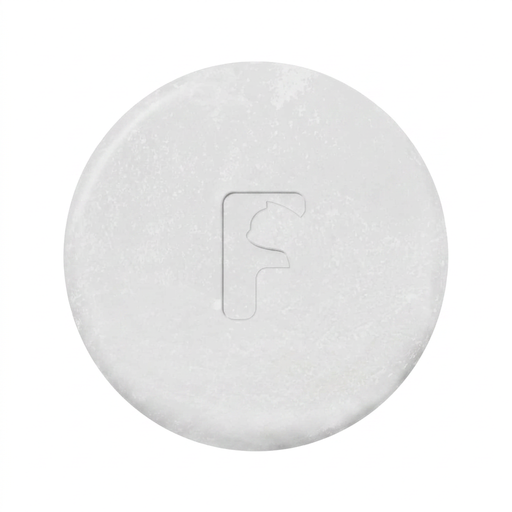
Why This Fits Their Persona: This user's primary goal is total odour control. While an enclosure helps, they want an extra layer of defence. This is for the person who wants their home to have no trace of pet smells, complementing their main litter setup.
This directly tackles the issue of lingering smells that even a well-ventilated enclosure might not fully eliminate, working with the furniture rather than against it.
It uses passive diffusion, requiring no power. The bars are made from natural ingredients and provide up to 30 days of continuous odour control per bar.
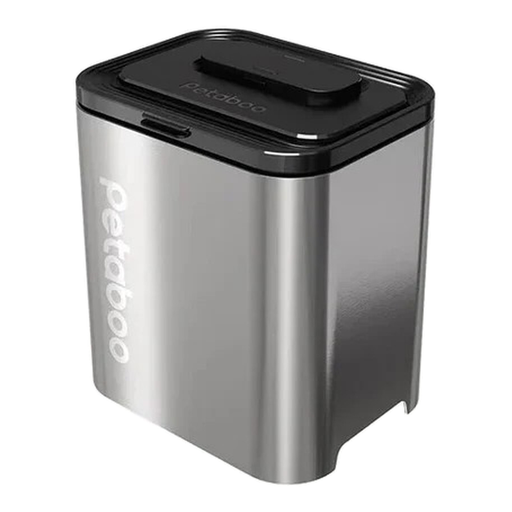
Why This Fits Their Persona: This owner wants a complete system for a tidy pet home. After concealing the litter box, the next eyesore is often a large, open bag of pet food. This container extends the principle of neat, hygienic storage to feeding time.
It solves the associated problem of pet-related clutter and spoilage. Open food bags attract pests and go stale; this vacuum-sealed container prevents both issues.
The automatic vacuum sealing preserves food freshness and nutrients. The 304 stainless steel body is hygienic, durable and easy to clean.
We have compiled a complete, real-time list of products that fully satisfy these strict selection criteria and UK safety regulations.
1. How do I get my cat to use a new litter box enclosure? Introduce it gradually. Assemble the enclosure but leave the doors open for a few days, allowing your cat to explore it without feeling trapped. You can place their favourite blanket or a few treats inside to create a positive association. Once they start using it with the doors open, you can try closing them.
2. Are cat litter box furniture units difficult to clean? They shouldn't be. Look for models with large front doors that give you full access to the litter tray inside. A smooth, non-porous interior surface is also important, as it can be wiped down easily with a damp cloth and a pet-safe cleaner. Regular cleaning of the tray itself remains the most important step.
3. Will a litter box enclosure completely stop all smells? An enclosure can significantly reduce odours by containing them, but it is not a magic solution. Good ventilation is necessary to prevent ammonia build-up inside. The most effective way to control smells is to combine an enclosure with daily scooping, a high-quality litter and regular full-tray changes. Using an additional deodoriser can also help.