
24/7 Customer Support

Free returns

Same-day & Next-day Delivery

Quality Guaranteed

Unlock Your Welcome Offers: FREE Delivery | Up to 80% OFF | Free 30-day JoyPlus trial
Download the APP
As a cat owner in the UK, you know that choosing the right cat litter is about more than just keeping the house tidy. It’s about your cat’s comfort, controlling odours and finding a routine that works for you. However, the market is filled with promises that often fall short, leading to wasted money and a less-than-fresh home.
My role as Joybuy’s Product Recommendation Officer is to help you navigate these choices. We’ll look past the marketing hype and focus on what truly matters, helping you find a cat litter that suits your home, your cat and your budget.
Before you buy, be aware of a few common marketing traps that can lead to disappointment:
To make an informed decision, focus on these key parameters rather than just the claims on the bag.
This is the most fundamental choice and dictates your cleaning routine.
The raw material of a cat litter determines its absorbency, odour control, dust level and environmental impact.
Your cat's health and your home's cleanliness are paramount.
Based on these practical considerations, here are a few options matched to different UK households.
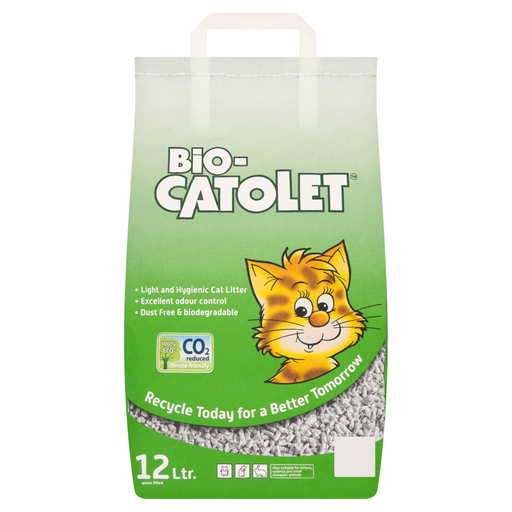
Why This Fits Their Persona: This litter is ideal for those prioritising sustainability. It's made from recycled paper, making it a genuinely eco-conscious choice that doesn't rely on mining or virgin materials. Its lightweight nature also makes it easier to carry and handle than heavy clay litters.
It cuts through the "eco-friendly" ambiguity by clearly stating it's made from recycled paper and is 100% biodegradable, providing a transparent, sustainable option.
It is dust-free, which is great for sensitive cats and owners, and its high absorbency helps manage moisture effectively.
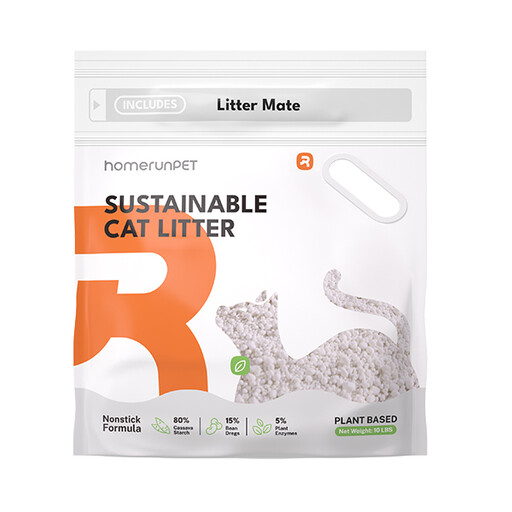
Why This Fits Their Persona: For those who need top-tier performance, especially in multi-cat homes or for owners sensitive to mess. This litter focuses on advanced features like fast clumping, an anti-stick bottom for easier scooping and very low dust.
It counters the "dust-free illusion" with a specific "99.9% dust-free" description and tackles the "odour control myth" by detailing its enzyme and tapioca starch formula for inhibiting odours.
The multi-sized particle formula is designed for stronger clumping with less litter used, and the anti-stick feature prevents clumps from cementing to the bottom of the tray.
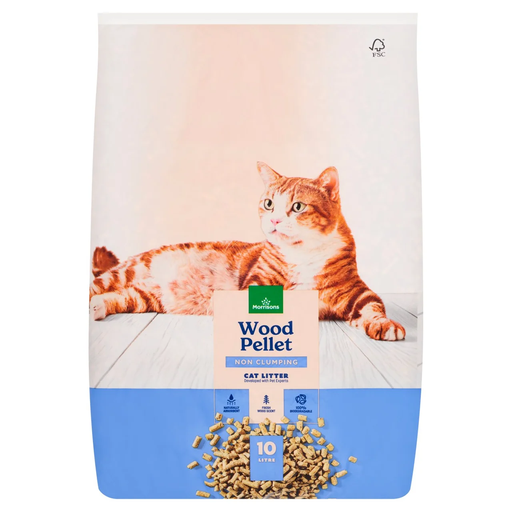
Why This Fits Their Persona: This is a straightforward, no-fuss option for those who want a reliable and affordable solution. As a non-clumping wood pellet litter, it's simple to use and relies on the natural absorbency and scent of wood to manage odour and moisture.
It avoids marketing hype by being exactly what it says it is: a simple, absorbent wood pellet litter. There are no complex formulas or exaggerated claims, just a focus on basic, effective function.
It is highly absorbent and provides natural odour control with a fresh wood scent. Being UK-sourced and manufactured is a plus for those who prefer to buy local.
We have compiled a complete, real-time list of products that fully satisfy these strict selection criteria and UK safety regulations.
This depends on the type of litter you use. For non-clumping cat litter, you should aim to completely empty and clean the tray at least once a week. For clumping cat litter, you can often go two to four weeks between full changes, as long as you are scooping out clumps and solid waste daily and topping up the level.
Extreme caution is advised. While some tofu cat litter and other plant-based litters are marketed as flushable, many UK plumbing systems, particularly in older properties, are not designed to handle them. Flushing litter can contribute to "fatbergs" and blockages in the sewer system. The safest method of disposal is to bag used litter and place it in your general household waste.
A sudden change in litter—such as a new texture or a strong scent—is a common reason for a cat to reject its tray. Other factors can include an unclean tray or a poor location (too noisy or not private enough). Ensure the litter is at a comfortable depth (around 5cm is a good starting point). If the behaviour continues after you've addressed these points, it is always wise to consult a vet to rule out any underlying health issues.