
24/7 Customer Support

Free returns

Same-day & Next-day Delivery

Quality Guaranteed

Unlock Your Welcome Offers: FREE Delivery | Up to 80% OFF | Free 30-day JoyPlus trial
Download the APP
Choosing cat litter involves more than comparing bag size and price. The right option needs to suit your cat’s habits, your cleaning routine, available storage and the amount of dust or odour your household can tolerate. UK owners also need to consider safe disposal, especially when product descriptions use terms such as “flushable” or “antibacterial”.
Clumping cat litter can simplify daily scooping, but performance depends on how firmly the wet area binds. Weak clumps may break apart, leave damp patches in the tray and increase waste. Fine particles can also stick to the base or tracking mats.
Non-clumping cat litter works differently. It absorbs moisture throughout the tray rather than forming a removable urine clump, so solid waste should be removed regularly and the full contents changed according to the product instructions.
Odour control cat litter may absorb moisture, lock in smells or use additives such as baking soda, mineral barriers or antibacterial granules. However, no litter replaces regular scooping and tray washing. Fragranced products can also be unpopular with cats that are sensitive to strong smells.
Look for a clearly stated mechanism, such as absorbency, baking soda or a specified antibacterial ingredient, rather than relying only on vague phrases such as “long-lasting freshness”.
A lightweight or low-dust cat litter may be easier to pour, but the granule shape still affects how much is carried around the home. Fine, sand-like litter can feel comfortable under paws while scattering more easily. Larger paper pellets may track less but can feel unfamiliar to some cats.
Do not flush used litter unless the product specifically permits it and local water and waste guidance allows it. Several products in this guide clearly state that used litter should not be flushed. Dispose of soiled litter with household waste as directed on the packaging.
Choose clumping cat litter if you want to remove urine-affected areas daily and preserve the unused litter. A depth of around 5–8cm is commonly specified by the products listed here, but always follow the individual instructions.
Choose non-clumping cat litter if your cat prefers absorbent mineral or paper granules, or if you want a simple system involving solid-waste removal and regular full changes. Non-clumping formats can also suit kittens, provided the kitten accepts the texture and the litter is used as directed.
Common materials include:
A cat’s acceptance matters more than a feature list. If changing material, mix a small amount of the new litter with the existing type and increase it gradually.
For cats or owners sensitive to airborne particles, prioritise a stated low-dust or dust-reduced formula and pour slowly in a well-ventilated area. Unscented litter may be preferable where strong fragrance causes avoidance. In multi-cat households, consider tray size, the number of trays and how frequently you can scoop; odour control is strongly affected by routine and ventilation.
Claims relating to antibacterial protection should be read alongside the label. For example, products containing silver ions or antibacterial granules may be treated articles or additive-containing formulas, so follow handling, storage and disposal instructions carefully.
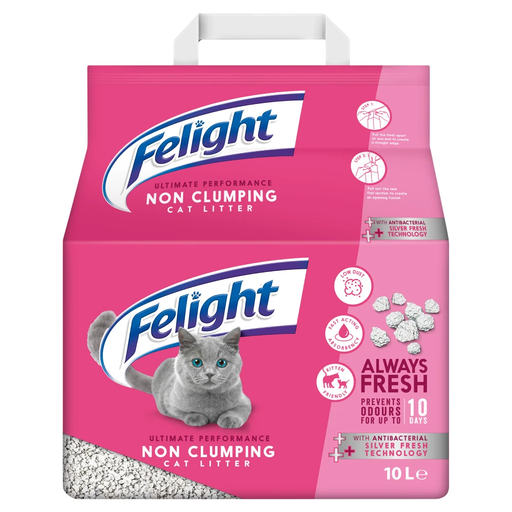
Why This Fits Their Persona: A practical starting option for UK owners who want lightweight, non-clumping litter for kittens or adult cats without managing daily urine clumps.
It is described as low-dust, fast-absorbing and less prone to tracking, while the non-clumping format makes its maintenance method clear.
Silverfresh technology is specified for antibacterial properties; the 10L format is easy to carry and store.
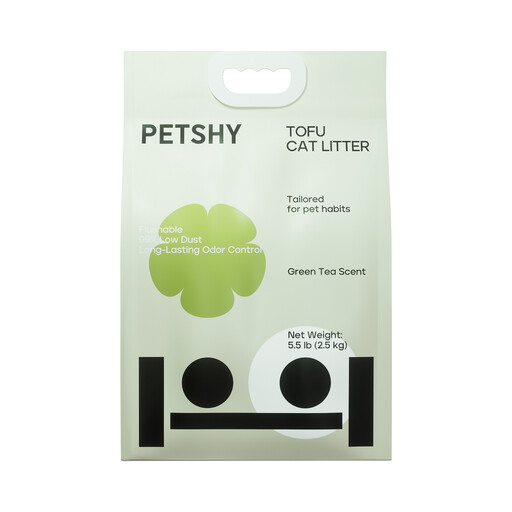
Why This Fits Their Persona: Suits owners looking for a plant-based, scented formula with a soft pellet texture and convenient handling.
The description identifies the material as tofu with baking soda, rather than relying only on a general eco-friendly label.
The 100% plant-based formula is listed as 99% dust-free, with flushability stated by the product description; check local guidance before disposal.
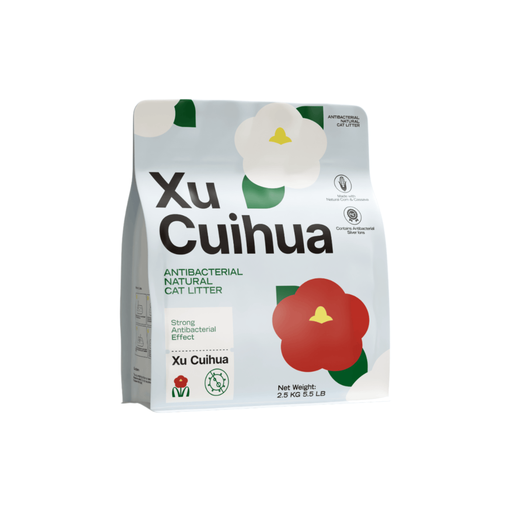
Why This Fits Their Persona: A useful format for owners managing frequent tray use who want plant fibres, low dust and daily removal of firm clumps.
Its listed low-dust, fast-clumping format addresses two common complaints: airborne particles and broken clumps left in the tray.
Plant fibres and silver ion technology are specified; the 2.5kg bag is relatively easy to lift and store.
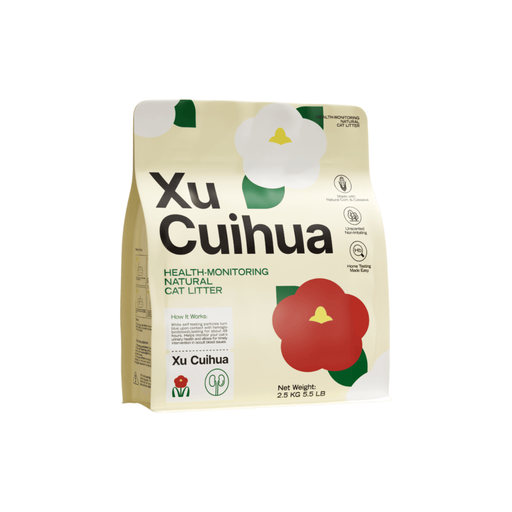
Why This Fits Their Persona: Designed for owners who want a clumping plant-based litter with an additional urine-monitoring indicator.
The colour-change feature is clearly presented as a reference indicator, not a replacement for veterinary diagnosis.
Cassava and corn starch are listed materials; the formula is designed to form fast, firm clumps for daily scooping.
We have compiled a complete, real-time list of products that fully satisfy these strict selection criteria and UK safety regulations.
It depends on the material, tray size, number of cats and how often waste is removed. Non-clumping products commonly require more frequent full changes, while clumping litter can be topped up between complete changes. Follow the packaging instructions and change sooner if the tray remains damp or smells unpleasant.
Some plant-based and paper options are listed as suitable for kittens, but acceptance varies. Introduce new litter gradually and monitor whether the kitten uses the tray confidently. Keep all litter away from ingestion, even when made from natural materials.
A clumping, low-dust cat litter with clear odour-control features may reduce daily maintenance for multi-cat homes, but tray management remains important. Provide enough trays, scoop frequently and choose a larger pack only if you have dry storage space and the product remains fresh.