
24/7 Customer Support

Free returns

Same-day & Next-day Delivery

Quality Guaranteed

Unlock Your Welcome Offers: FREE Delivery | Up to 80% OFF | Free 30-day JoyPlus trial
Download the APP
Choosing cat litter is not simply a matter of picking the largest bag or the product with the strongest fragrance. The right option depends on your cat’s habits, the number of trays, your cleaning routine and how you plan to dispose of used litter.
For UK households, the most useful comparison points are clumping behaviour, dust levels, odour control, material and disposal instructions. This guide explains the common buying traps and highlights suitable options for different household needs.
A cat litter may advertise extended odour control, but this does not remove the need for daily removal of solid waste. Non-clumping cat litter usually requires regular stirring, topping up and complete replacement. Clumping cat litter can make daily cleaning more targeted, but the whole tray still needs washing and refilling periodically.
Check the care instructions rather than relying on a headline claim. For example, Catsan Hygiene recommends removing solid waste daily and changing the litter regularly, while Felight advises completely emptying the tray at least weekly.
Natural cat litter, tofu cat litter and other plant-based products may be biodegradable or water-soluble, but disposal rules vary. Some products are specifically described as flushable in small quantities; others must go into household waste.
Even where a product is marketed as flushable, UK plumbing systems and local waste guidance differ. Never flush large amounts, and do not flush litter if the product label says not to. Cococat tofu and pidan tofu litter include small-quantity flushing instructions, whereas Cococat cassava, Felight and XUCUIHUA products specify household-waste disposal.
Dust levels can vary during pouring, scooping and movement inside the tray. Terms such as “99.9% dust-free”, “99% dust-free” or “virtually dust-free” describe the product information supplied for that item, not a promise that no particles will ever be released.
Look for low-dust or dust-free cat litter if your household is sensitive to airborne particles, and pour slowly in a well-ventilated area. A low-tracking pellet shape can also reduce litter being carried into hallways and living spaces.
Clumping cat litter forms a solid mass around urine, allowing you to remove the soiled section while leaving the remaining litter in place. This can suit owners who prefer daily spot cleaning or households with more than one cat.
Non-clumping cat litter absorbs moisture throughout the tray rather than forming removable urine clumps. It can be straightforward to use, but usually needs more frequent full changes. Mineral granules, paper pellets and wood pellet cat litter are common non-clumping formats.
If your cat is reluctant to use a new texture, transition gradually by mixing a small amount with the existing litter and increasing the proportion over time.
Odour control cat litter may work by absorbing moisture, enclosing urine in clumps, using mineral barriers or including baking soda and plant ingredients. Fragranced products, such as jasmine milk tea or green tea varieties, are not suitable for every cat’s preferences.
For a scent-free home, consider an unscented formula such as pidan tofu, Cococat cassava or ochama Cloud Tapioca. Fragrance should not be used to compensate for infrequent tray cleaning.
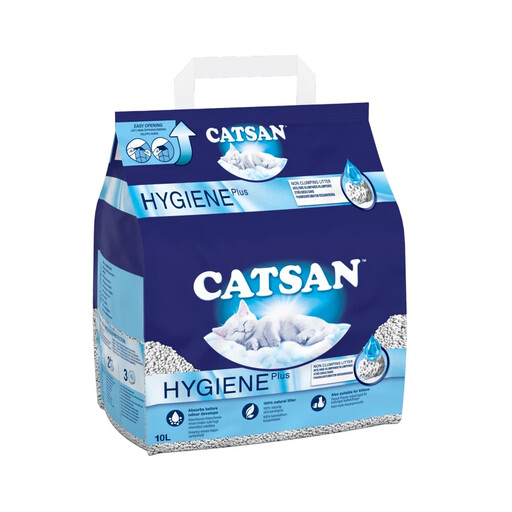
Why This Fits Their Persona: The 5L pack offers a manageable starting quantity for a first tray, smaller flat or occasional-use litter area. Its unscented mineral format is also a practical choice when you want to avoid added fragrance.
It uses a non-clumping format, so expectations are clear: remove solids daily and change the tray regularly rather than expecting urine clumps.
Made from quartz and limestone; no added fragrance or bleach listed in the product description.
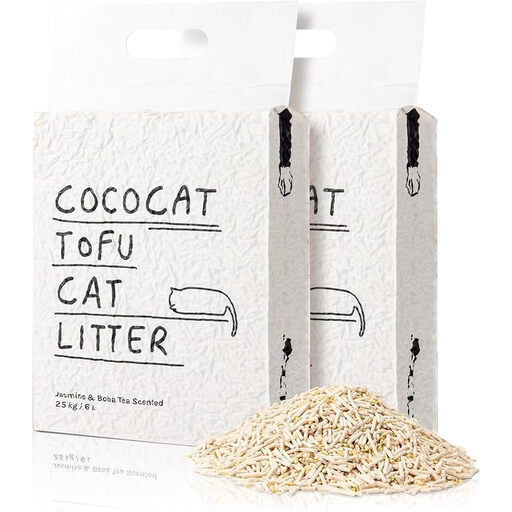
Why This Fits Their Persona: This plant-based option suits owners who want lightweight pellets, fast clumping and a jasmine milk tea scent in a two-pack format.
The listed ingredients and pack size are clear, while the product instructions still require gradual transition and responsible handling.
Made with pea fibre and millet; listed as low dust with fast, non-stick clumping.
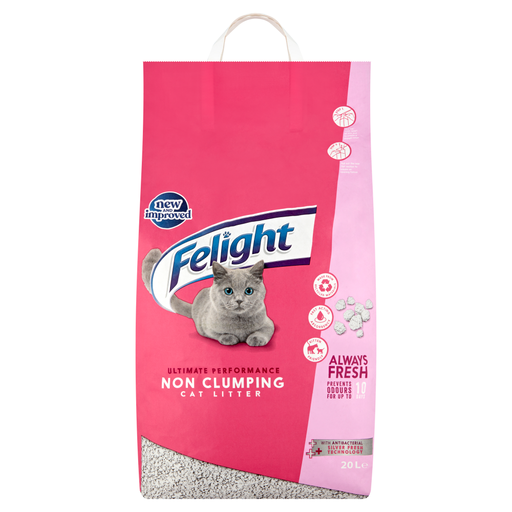
Why This Fits Their Persona: The 20L format is convenient for households managing more than one tray or refilling frequently, reducing the need to reorder small bags.
The product is non-clumping, so daily solid-waste removal and a full weekly change remain part of the routine.
Lightweight, low-dust mineral granules; supplied in a 20L pack and made in the UK according to the listing.
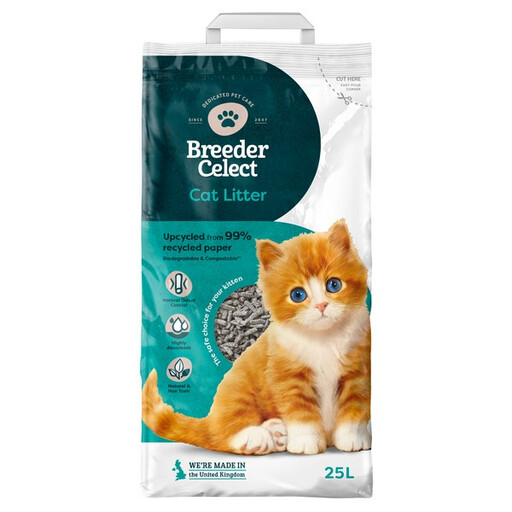
Why This Fits Their Persona: Recycled paper pellets suit UK shoppers prioritising a biodegradable material, lightweight handling and a larger household supply.
It is a non-clumping paper format, so the listing explains that waste should be removed regularly and the tray fully replaced at least weekly.
Made from 100% recycled newspapers; listed as 99% dust-free and biodegradable.
We have compiled a complete, real-time list of products that fully satisfy these strict selection criteria and UK safety regulations.
Start with the depth stated on the packaging. Many products recommend around 5cm, while paper pellets may require less. A tray that is too shallow can allow urine to reach the base; an excessively deep tray may increase waste and make entry difficult for smaller cats.
For running costs, compare price per litre, not only the bag price. A larger pack may reduce repeat purchases, but only if your cat accepts the material and the litter remains suitable for your cleaning schedule. Multi-cat households should also consider using multiple trays rather than simply adding more litter to one box.
When changing products, mix the new litter gradually. Keep trays in quiet, accessible locations, scoop daily and wash them with a mild, pet-safe product during full changes. Wear gloves when handling used litter and wash your hands afterwards. Pregnant people should avoid handling soiled cat litter.
It can reduce the amount of clean litter removed during daily cleaning because urine is taken out in separate clumps. Actual cost depends on clump strength, tray size, wastage and how often the tray is replaced. Compare price per litre and follow the recommended depth.
Remove solid waste daily. Clumping litter usually needs topping up and periodic full replacement, while non-clumping litter often requires a complete change at least weekly or according to the product instructions. Multi-cat households may need more frequent changes.
Only consider flushing if the product instructions specifically allow it, and flush very small amounts at a time. Many products, including Felight and Cococat cassava litter, state that used litter should not be flushed. When uncertain, seal used litter in a bag and follow local household-waste guidance.