
24/7 Customer Support

Free returns

Same-day & Next-day Delivery

Quality Guaranteed

Unlock Your Welcome Offers: FREE Delivery | Up to 80% OFF | Free 30-day JoyPlus trial
Download the APP
A litter tray can become unpleasant quickly, particularly in a flat, a small home or a multi-cat household. However, choosing a product based only on a strong fragrance or a prominent “long-lasting” claim can leave you with higher costs, irritated cats and odours that return after a few hours.
Effective cat litter odour control usually depends on three things: removing waste promptly, selecting litter that manages moisture properly and using a deodoriser suited to the source of the smell.
A scented cat litter freshener may make the room smell perfumed, but it does not necessarily deal with urine or faecal odours. Strong fragrance can also be unsuitable for scent-sensitive cats. Look for products that absorb, bind or neutralise odour rather than simply covering it.
Loose, slow-forming clumps can break apart during scooping, leaving damp litter at the bottom of the tray. This residue is a common reason odours linger. A clumping cat litter that forms a firm clump quickly can make daily cleaning more consistent.
Litter tray odour, urine on a carpet and a generally stale-smelling room require different approaches. A litter additive may help inside the tray, while an enzymatic cat urine odour remover is more appropriate for washable carpets, upholstery or bedding affected by an accident.
Check how much litter the product requires and whether the instructions give a practical fill depth. For example, the CATLINK tapioca blend recommends approximately 2–3 inches, while the ochama activated carbon blend suggests 5–8 cm.
Fast clumping can reduce the time moisture remains exposed. The CATLINK product description states that it forms clumps in around 2 seconds, while ochama lists approximately 3 seconds. These are product specifications rather than a guarantee for every tray, so results can vary with litter depth, humidity and the amount of liquid.
“Low-dust” and “virtually dust-free” are useful descriptions, but buyers should still check the material and handling instructions. Tofu, cassava, bentonite and activated carbon each behave differently:
If your cat or household is sensitive to dust, choose a clearly labelled low-dust option and pour slowly. Avoid assuming that “natural” automatically means dust-free or suitable for every cat.
Read the full label before adding a cat litter deodoriser. Fragrance preferences are personal, and a cat may avoid a tray if the scent is too noticeable. Fresheners containing fragrance or biocidal ingredients should be used exactly as directed, kept away from children and never placed where a pet can ingest them.
For products sold under UK rules, check the packaging for directions, ingredient or active-substance information, storage advice and relevant hazard warnings. Do not mix different deodorising products unless the manufacturer specifically permits it.
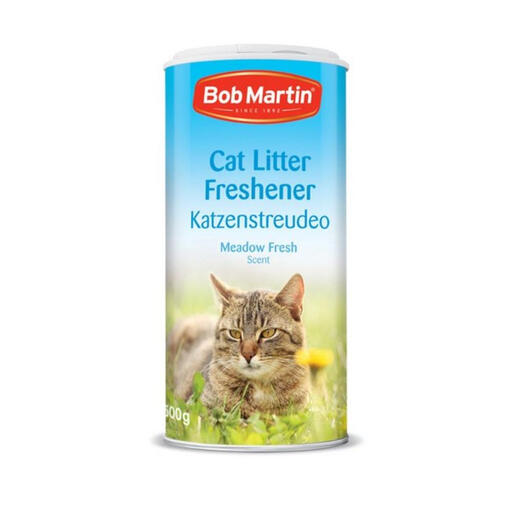
Why This Fits Their Persona: A sprinkle-on format is straightforward for first-time buyers who want to add odour control without replacing their existing litter.
It is applied in a thin layer over existing litter, so buyers can trial the format rather than immediately changing the whole tray system. Follow the label if your cat is sensitive to fragrance.
500g pack; suitable for use with different types of cat litter; simple sprinkle-and-reapply routine.
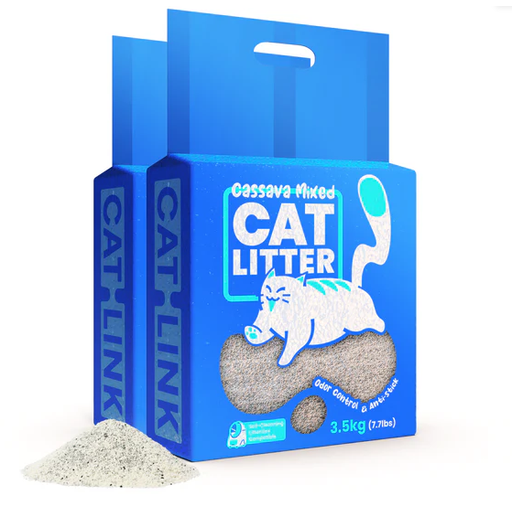
Why This Fits Their Persona: Suitable for owners prioritising an unscented, low-dust approach and a quicker daily scooping routine.
Its listed unscented composition avoids relying on perfume to manage tray odour, while the described fast-clumping format helps remove wet litter promptly.
7.7lb bag; includes bentonite, cassava, activated carbon and baking soda; described as virtually dust-free and unscented.
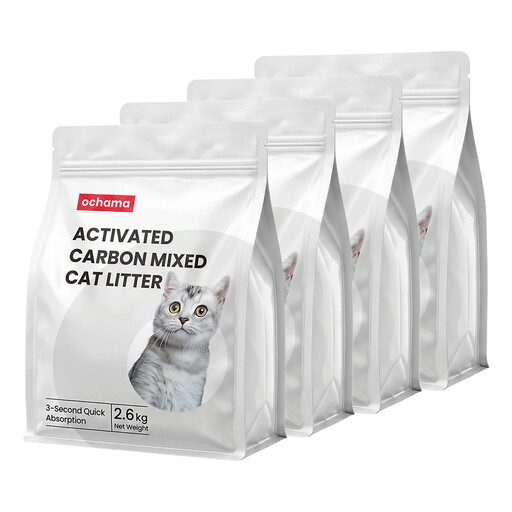
Why This Fits Their Persona: The 10.4kg multi-pack is practical for multi-cat homes or owners who prefer to buy litter in larger quantities.
It combines tofu and calcium bentonite with activated carbon rather than depending on fragrance alone. Store it dry, and only flush small amounts where local plumbing and the label allow it.
Four 2.6kg bags; listed tofu, calcium bentonite, deodorant and activated carbon blend; approximately 3-second clumping specification.
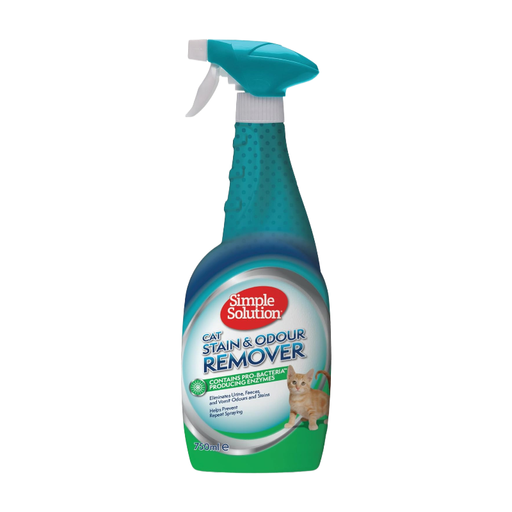
Why This Fits Their Persona: Designed for urine marks on water-safe carpets, upholstery and pet bedding, making it a separate treatment for smells outside the litter tray.
An enzymatic formula targets organic residue rather than masking a mark with perfume. Test an inconspicuous area first and allow the surface to dry fully.
750ml trigger spray; intended for water-safe surfaces; application instructions include blotting, generous coverage and repeat treatment for set-in stains.
We have compiled a complete, real-time list of products that fully satisfy these strict selection criteria and UK safety regulations.
Follow the product label. Sprinkle-on fresheners are commonly reapplied when the litter is changed, while a deodorising bar may have a defined replacement interval. Do not add more simply because the room smells strong; first check whether waste, damp litter or a dirty tray is the underlying cause.
Activated carbon can form part of an odour-management system, but performance depends on the blend, moisture absorption, clumping and cleaning routine. It is not a substitute for removing wet clumps promptly or treating urine that has reached flooring and fabric.
No. Even when a product states that small clumps may be flushed, household plumbing, local water guidance and the product label should be considered. Dispose of it in small amounts only where permitted, and never flush large quantities or non-flushable litter.