
24/7 Customer Support

Free returns

Same-day & Next-day Delivery

Quality Guaranteed

Unlock Your Welcome Offers: FREE Delivery | Up to 80% OFF | Free 30-day JoyPlus trial
Download the APP
As a cat owner, selecting the right cat litter tray can feel surprisingly complex. The market is filled with options, from simple plastic trays to sophisticated, app-controlled devices. However, many products come with hidden flaws that only become apparent after a few weeks of use, leading to frustration and wasted money.
As the Joybuy Product Recommendation Officer, my role is to help you navigate these choices by highlighting the practical considerations that matter. This guide focuses on cutting through the marketing clutter to identify common purchasing pitfalls and the key features that genuinely make a difference to you and your cat.
Before you buy, be aware of these frequent issues that can turn a promising purchase into a daily inconvenience:
hooded cat litter tray or an enclosed cat litter box seems like a great idea for containing mess and smells. However, many are designed with awkward clips, tight corners and fixed hoods that make the simple act of scooping or changing the litter a frustrating puzzle.self-cleaning cat litter tray is undeniable. Yet, some models feature unreliable sensors that can fail to cycle or, more concerningly, get stuck. Others have complex disassembly processes for deep cleaning, creating more work than they save.To make a durable and practical choice, focus on these three core parameters.
The material of the tray is fundamental to its longevity and hygiene. Look for trays made from thick, non-porous plastics like Polypropylene (PP) or Acrylonitrile Butadiene Styrene (ABS). These materials are more resistant to scratches and do not absorb odours as readily as cheaper plastics. A smooth, glossy interior finish also makes cleaning much easier, as waste is less likely to stick. The construction should feel sturdy, without flexing or bending under light pressure.
A common mistake is choosing a tray that is too small for the cat. A good rule of thumb is that the tray should be at least 1.5 times the length of your cat, from its nose to the base of its tail. This gives them enough room to turn around and dig comfortably.
cat litter box with odour control and for cats that tend to kick litter out. They provide privacy, which many cats prefer. Ensure the hood is easily removable or features a design, like a pull-out drawer, that simplifies cleaning.large cat litter box or with generous internal dimensions to prevent discomfort and out-of-box accidents.Consider how much time you are willing to dedicate to maintenance.
self-cleaning cat litter tray models use sensors to detect when your cat has left and then automatically rake or rotate to deposit waste into a sealed compartment. When considering one, pay close attention to the capacity of the waste compartment, the noise level of the motor and the ease of deep cleaning the unit.Based on these practical criteria, here are a few options suited to different UK households and needs.
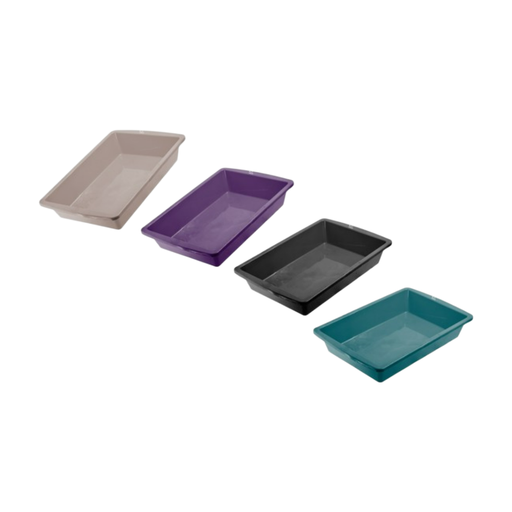
Why This Fits Their Persona: This is a straightforward, no-frills solution perfect for new cat owners, those with kittens or anyone living in a smaller flat. Its compact size and simple open design make it an unintimidating and practical first litter tray.
It sidesteps the "overly complex design" pitfall. With no hood, clips or moving parts, cleaning is as simple as scoop and wipe. The durable plastic is less prone to cracking than ultra-cheap, brittle alternatives.
Its primary advantages are affordability and ease of cleaning. The smooth plastic surface and basic shape mean there are no awkward corners to trap waste.

Why This Fits Their Persona: This enclosed box is for the owner who wants to keep litter and odours contained. Its modern aesthetic fits well in a contemporary home, while its functional design addresses the core needs of privacy for the cat and cleanliness for the owner.
It directly solves the "hard-to-clean" hooded box problem. Instead of fiddling with clips to remove the top, you simply slide out the bottom tray like a drawer for effortless scooping and refilling.
The slide-out tray is the standout feature for convenient cleaning. The enclosed design, combined with a top exit grate, effectively contains odours and reduces litter tracking around the house.
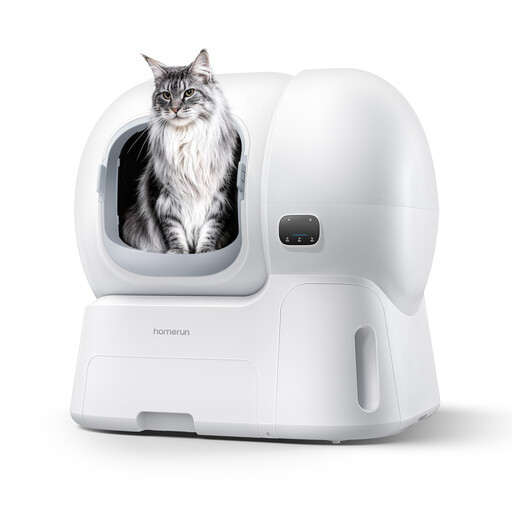
Why This Fits Their Persona: This automatic litter box is built for high-demand situations. Its extra-large capacity is specifically designed to accommodate large cats up to 11.3kg (25lbs) or serve a multi-cat household without needing constant attention.
It avoids the "one-size-fits-all" automation flaw by offering a genuinely large interior. The automatic litter replenishment system also adds a layer of convenience missing from models that only self-clean but still require frequent litter top-ups.
The key benefits are its substantial size and dual-automation (self-cleaning and self-refilling). This significantly reduces the daily workload for owners of large or multiple cats.
We have compiled a complete, real-time list of products that fully satisfy these strict selection criteria and UK safety regulations.
1. Where is the best place to put a cat litter tray in a UK home? Cats value privacy and security. Place the tray in a quiet, low-traffic corner away from their food and water bowls. A utility room, a quiet bathroom corner or a dedicated spot in a study works well. Avoid placing it near noisy appliances like washing machines or in busy hallways, as this can cause stress and lead to the cat avoiding the tray.
2. How often should I completely change the litter? This depends on the type of litter and the number of cats using the tray. For a single cat using non-clumping litter, a full change and wash of the tray is recommended at least once a week. With clumping litter, you can often go longer—around 2 to 4 weeks—as long as you are scooping solid waste and urine clumps daily. Always follow the guidance on the litter packaging for best results.
3. Are automatic cat litter boxes worth the investment? For the right person, yes. If you work long hours, have multiple cats, travel frequently or have a physical limitation that makes daily scooping difficult, an automatic box can be a worthwhile investment in convenience and hygiene. However, consider the ongoing costs of proprietary liners or waste cartridges and be prepared for the initial higher outlay. For single-cat households where daily scooping is not a burden, a high-quality manual tray is often sufficient.