
24/7 Customer Support

Free returns

Same-day & Next-day Delivery

Quality Guaranteed

Unlock Your Welcome Offers: FREE Delivery | Up to 80% OFF | Free 30-day JoyPlus trial
Download the APP
Choosing a cat litter tray seems simple, but many UK cat owners find themselves with a product that creates more problems than it solves. From constant odours to litter tracked all over the house, the wrong choice can be a frustrating and costly mistake. As a Joybuy Product Recommendation Officer, my role is to help you navigate the market and find a practical solution that works for both you and your cat.
This guide cuts through the clutter to focus on what truly matters, helping you avoid common pitfalls and select a tray that genuinely meets your needs.
Before you buy, be aware of these frequent issues that can lead to buyer's remorse:
To ensure you make a sound investment, focus on these non-negotiable parameters.
The material of a cat litter tray is fundamental to its longevity and hygiene. Look for trays made from thick, durable, non-porous plastic like high-density polypropylene. This type of material resists scratches, which can harbour bacteria and odours, and it won't absorb urine over time. A flimsy, cheap plastic tray may seem like a bargain, but it will likely need replacing much sooner.
Size is critical for your cat's comfort. A large cat litter tray provides ample room for turning around and digging. For households with kittens, senior cats or those with mobility issues, a kitten litter tray with a low entry point is essential for easy access. To combat litter scatter, look for a deep litter tray or one with high sides or a removable rim. If space is at a premium, a corner litter tray can be an effective solution to fit neatly into your room's layout.
Cat litter trays come in several main types, each suited to different needs:
To help you find the right fit, we've matched some practical options to common UK household needs.

Why This Fits Their Persona: Ideal for those new to cat ownership or with a young kitten. It's an affordable, no-fuss option that prioritises accessibility and simple maintenance, making the initial adjustment period easier for both pet and owner.
It avoids the "easy-clean" trap with its smooth, non-porous plastic and simple open design. There are no complex parts or tight corners where waste can accumulate, making it genuinely straightforward to clean.
The low entry height is perfect for kittens, while the optional rim helps contain litter scatter as they grow. Its durable polypropylene construction ensures it will last well beyond the kitten stage.

Why This Fits Their Persona: Perfect for those living in flats or smaller homes where odour control is a top priority. The enclosed design keeps smells and litter contained, maintaining a fresher and tidier living space.
This tray tackles the "odour-proof" myth with a functional system. It combines a deep, leak-proof base with a hood, a swinging door and a replaceable charcoal filter that actively helps neutralise odours.
The combination of a hood and charcoal filter provides effective odour management. The door is also removable, which helps hesitant cats or kittens adapt to an enclosed space at their own pace.
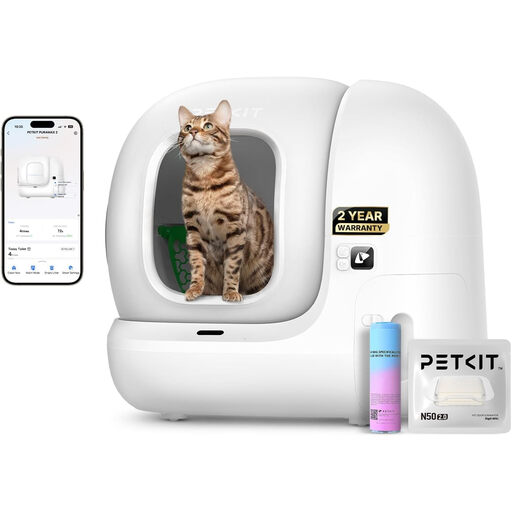
Why This Fits Their Persona: For the busy individual who values convenience and is comfortable with technology. This automatic solution removes the daily task of scooping, freeing up time while ensuring a consistently clean litter box for their cat.
It delivers on the promise of convenience by automating the cleaning process. The xSecure system with multiple sensors ensures it operates safely around your pet, addressing a common concern with automatic devices.
Its main benefit is hands-free cleaning for up to 15 days (for one cat). The connected app also allows for remote control and health monitoring by tracking your cat's weight and usage patterns.
We have compiled a complete, real-time list of products that fully satisfy these strict selection criteria and UK safety regulations.
1. Where is the best place to put a cat litter tray in a UK home? Cats prefer quiet, low-traffic areas where they feel secure. Avoid placing the tray near their food and water bowls or in busy hallways. A corner in a utility room, a quiet bathroom or a spare room is often ideal. Ensure the location is always accessible to your cat.
2. How often should I completely change the litter in a cat litter tray? This depends on the type of litter and the number of cats using the tray. For a standard, non-clumping litter, it's good practice to do a full replacement and wash the tray once a week. With high-quality clumping litter, you can often go longer—up to two or three weeks—as long as you are scooping solid waste and clumps daily. Always follow the guidance on the litter packaging.
3. Are automatic cat litter boxes worth the cost? For many, the convenience is well worth the investment. An automatic cat litter tray is particularly beneficial for busy individuals, multi-cat households or those with physical limitations that make daily scooping difficult. They keep the litter box consistently clean, which can reduce odours and encourage better litter habits. However, the initial cost is higher, and they require electricity and specific maintenance, so it's a trade-off between cost and convenience.