
24/7 Customer Support

Free returns

Same-day & Next-day Delivery

Quality Guaranteed

Unlock Your Welcome Offers: FREE Delivery | Up to 80% OFF | Free 30-day JoyPlus trial
Download the APP
As a cat owner in the UK, you know that choosing the right cat litter is about more than just filling a box. It’s about your cat’s comfort, your home’s hygiene and your own convenience. Yet, the market is flooded with options, and it's easy to fall for marketing claims that don't hold up. Many find themselves with a product that creates more dust than it contains, fails on odour control after a few days, or carries a misleading "eco-friendly" label.
Before you spend another pound on a litter that doesn't work for you, let's look at the common pitfalls and what really matters.
To avoid these traps, focus on three core parameters that determine a litter's real-world performance.
This is the most fundamental choice and dictates your cleaning routine.
The material directly impacts everything from dust and tracking to weight and environmental footprint.
Consider your specific needs. If you have an automated litter tray, you'll need a cat litter for an automatic litter box that clumps quickly and doesn't stick. For kittens, a non-clumping or a safe, plant-based litter is often recommended to prevent ingestion issues. And if you or your cat are sensitive to smells, an unscented cat litter with activated carbon or baking soda for odour control is a far better choice than a heavily perfumed one.
To help you navigate the options, we've matched some products to common UK cat owner profiles.
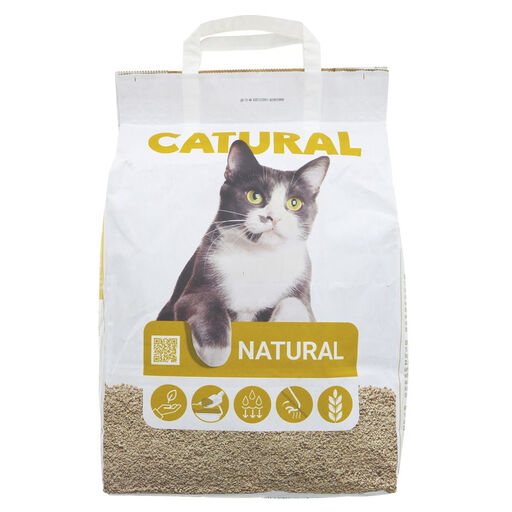
Why This Fits Their Persona: This is for the owner who prioritises sustainability without compromising on performance. It's fully organic, biodegradable and made from upcycled plant materials, ticking all the boxes for an environmentally responsible choice.
It sidesteps the vague "natural" claim by specifying its origin: by-products from the brewing and baking industry. This is a clear, verifiable eco-friendly feature.
Offers strong clumping action and is described as virtually dust-free, combining eco-credentials with practical benefits for a clean home.
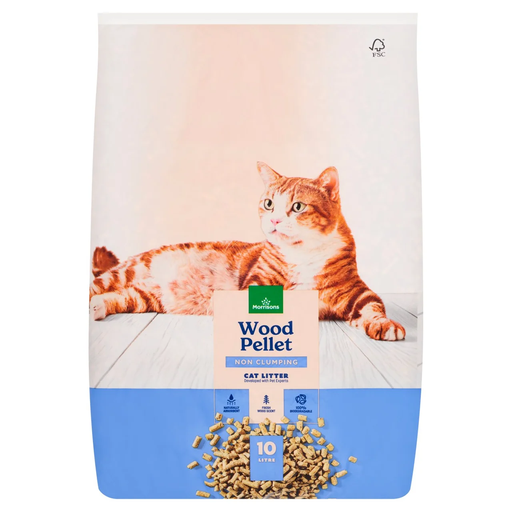
Why This Fits Their Persona: For those seeking a straightforward, effective and affordable solution. This UK-sourced wood pellet litter offers great value and reliable performance without unnecessary frills.
It avoids the odour-masking trap by relying on the natural deodorising properties of wood. The fresh wood scent is a feature of the material itself, not an added perfume.
A highly absorbent, non-clumping formula that is simple to use. Being sourced and manufactured in the UK is a bonus for those who prefer to buy local.

Why This Fits Their Persona: This litter is specifically designed for the demands of automatic litter boxes. Its fast-clumping action and non-stick properties ensure the self-cleaning mechanism works smoothly without jamming or leaving residue.
It avoids the "dust-free" myth with a specific, realistic claim of being "99.5% dust-free." This honesty is crucial for automatic box owners, as excess dust can clog sensors and motors.
Forms dense clumps almost instantly, preventing them from breaking apart during the scooping cycle. The plant-based cassava material is also gentle on paws.
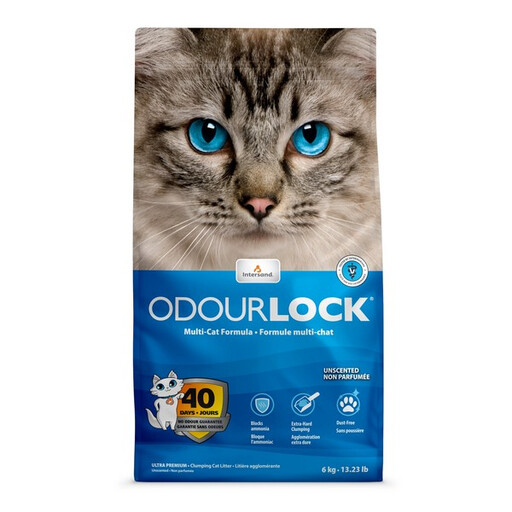
Why This Fits Their Persona: When odour is the primary concern, you need technology, not just fragrance. This litter is built around a patented technology designed to prevent ammonia formation, tackling smells at the source.
It avoids the "total odour block" trap by explaining its mechanism: a patented technology that actively prevents ammonia formation. This is a specific, function-based claim, not a vague promise.
Ultra-fast clumping action makes scooping efficient and helps reduce overall litter usage. The dust-free formula also contributes to a cleaner home environment.
We have compiled a complete, real-time list of products that fully satisfy these strict selection criteria and UK safety regulations.
This depends on the type of litter and how many cats you have. For non-clumping cat litter like wood pellets, a full change is typically needed once a week. For clumping cat litter, if you are scooping out waste daily, you can often go 2 to 4 weeks before needing to completely empty, wash and refill the tray.
Caution is advised. While some tofu cat litter and other plant-based litters are marketed as flushable, many UK homes have older, narrower plumbing systems that can be prone to blockages. It is generally safer to bag used litter and dispose of it in your household waste. If you do choose to flush, do so in very small amounts and check the guidance from your local water authority.
Cats can be sensitive to change. The key is a gradual transition. Don't switch the litter all at once. Start by mixing a small amount of the new litter (about 25%) with your cat's old litter. Over the course of a week or two, gradually increase the proportion of the new litter until you have fully switched over. This gives your cat time to adjust to the new texture and scent.