
24/7 Customer Support

Free returns

Same-day & Next-day Delivery

Quality Guaranteed

Unlock Your Welcome Offers: FREE Delivery | Up to 80% OFF | Free 30-day JoyPlus trial
Download the APP
Choosing cat toys and treats can look simple until you compare ingredient lists, battery specifications, age guidance and safety warnings. A colourful toy may be ignored after one afternoon, while a treat marketed as “healthy” may add more calories than expected.
This guide focuses on practical checks for UK cat owners, including households with indoor cats and kittens over three months old. The aim is to help you filter marketing claims and choose products that match your cat’s habits, your home and your budget.
Some cats enjoy chasing movement, while others prefer batting, chewing or stalking toys under furniture. A toy that makes noise or flashes constantly may not suit a nervous cat, and a small ball can disappear beneath sofas or become a poor match for larger cats.
Look beyond appearance. Consider the toy’s size, movement pattern, texture and intended play style. Indoor cat toys should encourage activity without creating avoidable risks around cables, stairs or water bowls.
A grain-free recipe is not automatically suitable for every cat, and a lickable snack should not replace a complete daily diet. Check whether the product is designed as a complementary treat or meal topper, then follow the feeding instructions and account for treats in the daily intake.
For cats prone to weight gain, compare the stated calorie content. A low-calorie cat treat can be useful for occasional rewards, but portion control still matters.
Catnip cat treats and catnip chew toys can encourage interaction, but toys containing fabric, stuffing or plant material need regular inspection. Loose threads, torn covers or exposed filling can create a swallowing hazard.
Rechargeable toys also require sensible use. A damaged shell, exposed electronic parts or a frayed charging cable is a reason to stop using the product. Always follow the supplied warnings rather than assuming a toy is safe because it is sold for cats.
For cat treats, check:
Owners considering grain-free cat snacks should still read the full label. “Wheat-free”, “gluten-free” and “grain-free” describe particular ingredients; they do not by themselves confirm that a snack meets an individual cat’s dietary needs.
A silvervine cat toy or catnip chew toy should be large enough to handle comfortably and made from materials that do not shed easily. Check whether the toy contains:
For chewable toys, inspect the seams and inner material regularly. The zeze Catnip Corn Cob Toy, for example, includes plush fabric, silvervine and catnip. Its stated dimensions are 90 × 100 mm, and the usage guidance says to discard it if the outer fabric tears or the inner sticks become damaged or fully exposed.
When comparing an interactive cat toy or smart spinning cat ball, check:
The Petgravity ball uses a built-in rechargeable lithium battery, has a stated playtime of up to three hours per charge and includes an automatic movement mode activated by a gentle pat. These details are more useful for purchase decisions than broad claims about intelligence or entertainment.
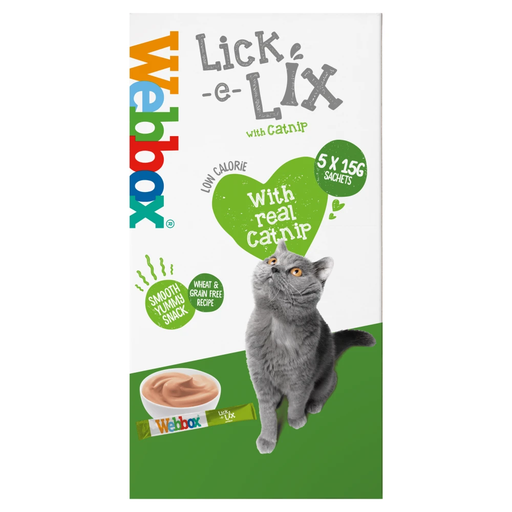
Why This Fits Their Persona: A practical option for owners introducing occasional rewards, meal toppers or catnip cat treats without buying a large multipack.
The listing states 8.5 kcal per 15g sachet and identifies it as wheat- and grain-free, making the portion easier to assess than an unspecified snack.
Smooth lickable texture; five 15g sachets; suitable for cats from three months old; can be served as a treat or topper.
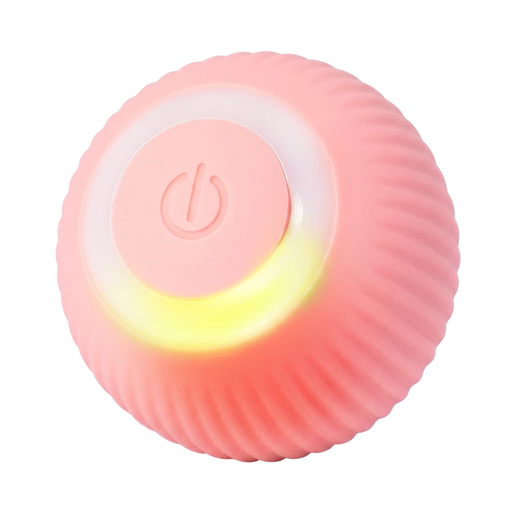
Why This Fits Their Persona: Suits indoor-cat owners looking for an electronic toy with rechargeable operation and movement that can prompt self-directed play.
The specification gives a 42mm ball size, silicone shell, indoor-use guidance and up to three hours of play per full charge.
Rechargeable lithium battery; location sensor; quiet silicone outer shell; smart mode activated by a gentle pat.
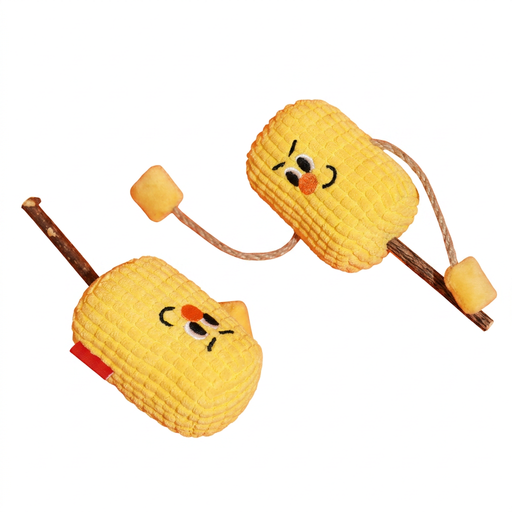
Why This Fits Their Persona: A fitting choice for cats that prefer chewing, kicking and independent physical play rather than chasing an electronic toy.
The product guidance clearly says to supervise use, inspect the fabric and remove the toy if it tears or exposes the inner sticks.
90 × 100mm corn-cob shape; silvervine and catnip filling; designed for chewing and playful activity; no charging required.
We have compiled a complete, real-time list of products that fully satisfy these strict selection criteria and UK safety regulations.
Rotate cat enrichment toys rather than leaving every item available at once. A toy can seem more interesting when it returns after several days, while short supervised play sessions may be more engaging than leaving an electronic toy running continuously.
For treats:
For toys, keep rechargeable products away from moisture and store charging cables where cats cannot chew them. A damaged cover, shell or cable should be removed from use.
It depends on the product label. The Webbox Lick-E-Lix with Real Catnip listed here is suitable for cats from three months old and is not suitable for kittens under that age. Always check the age guidance before serving.
Running time varies by model, surface and play mode. The Petgravity Smart Cat Toy Spinning Ball states up to three hours per charge. Actual use may differ, so recharge it when movement slows and stop using it if the shell becomes damaged.
No. Catnip and silvervine can increase interest for some cats, but responses vary. If your cat ignores a catnip toy, try a different texture, movement style or play routine. Rotating indoor cat toys and combining chasing, chewing and treat-based activities can provide more variety.