
24/7 Customer Support

Free returns

Same-day & Next-day Delivery

Quality Guaranteed

Unlock Your Welcome Offers: FREE Delivery | Up to 80% OFF | Free 30-day JoyPlus trial
Download the APP
As a cat owner, you know that a well-timed treat can be a wonderful way to bond with your feline friend, reward good behaviour or simply show them some affection. But with so many options on the shelves, from crunchy biscuits to soft sticks, choosing the right one can feel overwhelming. You want something your cat will love, but you also want to ensure it aligns with a healthy lifestyle.
This guide is designed to help you navigate the world of cat treats. We will explore the different types available, offer practical tips for selecting a suitable option and share some of our top recommendations for 2026 to help you make an informed choice for your pet.
Finding a treat that is both delicious and appropriate for your cat involves looking beyond the packaging. Here are a few key factors to consider during your search.
Cats can have strong preferences when it comes to the texture of their food. The main types of treats include:
Many modern treats offer more than just a tasty reward. When reading the label, look for features that match your cat's needs:
A cat's nutritional needs change as they grow. It is important to choose an age-appropriate treat. Kitten treats are typically smaller and formulated to support their development, while adult treats are designed for the needs of a fully grown cat. Always check the packaging for the recommended age range.
Here are a few popular and well-regarded options that cater to different preferences and needs. All of these feature chicken, a flavour that is a firm favourite with many felines.
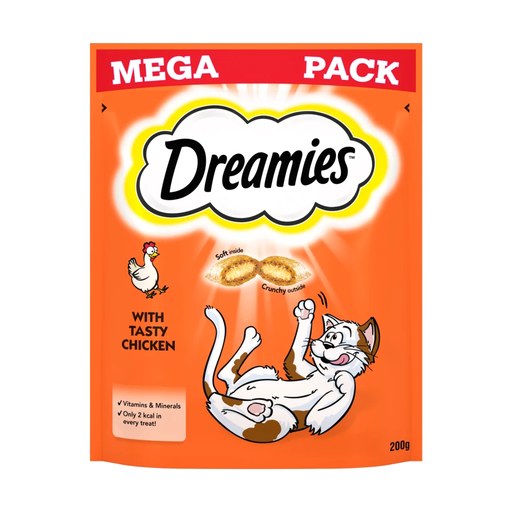
Why It Stands Out: Dreamies are a household name for a reason. Their unique dual-texture, with a crunchy shell and a soft centre, is highly appealing to many cats. They are a simple, effective and widely loved reward.
Pros:
Who is it for?: Ideal for cat owners looking for a classic, affordable and low-calorie reward that appeals to the majority of adult cats and kittens over 8 weeks.
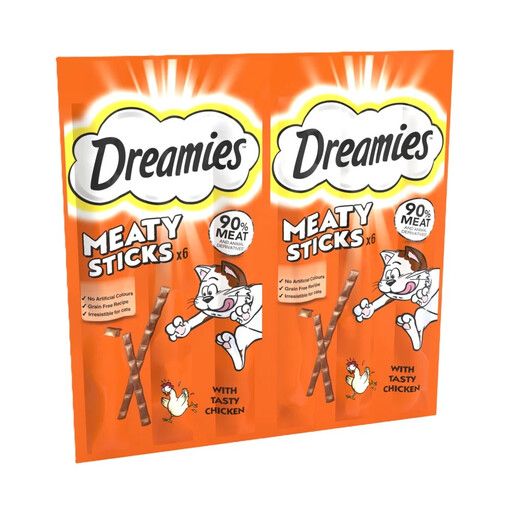
Why It Stands Out: These meaty sticks offer a completely different experience from traditional biscuits. With a high meat content and a soft, chewy texture, they provide a more substantial and savoury snack.
Pros:
Who is it for?: Perfect for owners whose cats prefer a soft, meaty treat. It is also a good choice for those seeking a grain-free cat treat for their adult cat.
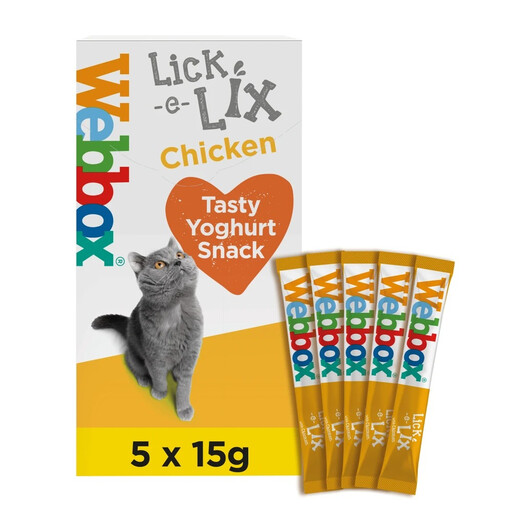
Why It Stands Out: This is a uniquely versatile liquid cat treat. The smooth, yoghurt-like texture can be served straight from the sachet, squeezed over food to entice fussy eaters or even used to help disguise medication.
Pros:
Who is it for?: An excellent choice for owners of picky eaters, older cats with dental problems or those looking for a hydrating and multi-purpose treat for both cats and kittens.
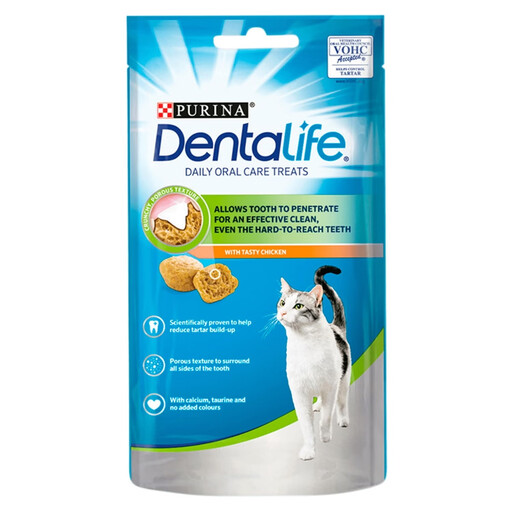
Why It Stands Out: This treat is designed with a specific function in mind: dental health. According to the manufacturer, its scientifically designed porous texture helps clean teeth as the cat chews, reaching even the difficult-to-access areas to reduce tartar buildup.
Pros:
Who is it for?: For the health-conscious owner who wants to provide a daily treat that also actively supports their adult cat's oral hygiene.
While chicken cat treats are a popular choice, every cat has its own unique taste. If you are looking for different flavours like salmon, duck or cheese, or want to explore a wider variety of brands and textures, there are many more choices available.
Discover more options by browsing our full range of Cat Treats with Chicken.
1. How many treats can I give my cat each day? A general guideline is that treats should not make up more than 10% of your cat's total daily calorie intake. Always check the feeding guide on the product packaging for specific recommendations. When you give treats, it is good practice to slightly reduce the portion of their main meal to prevent weight gain.
2. Are grain-free cat treats a better choice for cats? For cats with a diagnosed grain allergy or sensitivity, grain-free cat treats are an excellent choice to avoid digestive upset. However, most cats can digest grains perfectly well. Grains are not inherently bad and can provide useful nutrients. The decision to choose grain-free should be based on your individual cat's health and dietary needs.
3. Can kittens eat the same treats as adult cats? Not always. Kittens have different nutritional requirements and smaller mouths. It is best to choose treats specifically formulated for them, often labelled as kitten treats. Always check the packaging for the minimum age, which is often around 8 to 12 weeks.