
24/7 Customer Support

Free returns

Same-day & Next-day Delivery

Quality Guaranteed

Unlock Your Welcome Offers: FREE Delivery | Up to 80% OFF | Free 30-day JoyPlus trial
Download the APP
Choosing cat treats can seem straightforward until you compare flavour claims, calorie figures, pack sizes and feeding guidance. A colourful pouch may look appealing, but it does not automatically offer good value or suit your cat’s age, eating habits or daily diet.
The most common buying mistakes are:
Look for the statutory product description and target age. Several products in this range are complementary pet food for adult cats, while some Dreamies products provide guidance for kittens over 8 weeks.
Always follow the pack instructions rather than estimating by handful. For example:
Cats with weight, dental or dietary concerns may need more individual guidance from a veterinary professional.
“Low-calorie cat treats” are useful only when the stated portion is clear. Felix Crispies Salmon & Trout is listed at approximately 1 kcal per treat, while several Dreamies varieties are listed at approximately 2 kcal per treat. These figures can make portion counting easier, but frequent feeding can still contribute to excess intake.
Compare the analytical constituents as well. Felix Crispies Salmon & Trout lists 32% crude protein and 15.2% crude fat, while Dreamies Beef lists 22% protein and 22% fat, with an energy value of 416 kcal per 100g. These are not complete nutritional comparisons on their own, but they help you understand what you are buying.
Texture affects how a cat eats and whether the product suits your routine:
Flavour should also be matched to preference. Choices include salmon cat treats, tuna cat treats, chicken cat treats, beef cat treats and catnip treats. If your cat is selective, a smaller pack can be a sensible starting point before buying a mega pack.
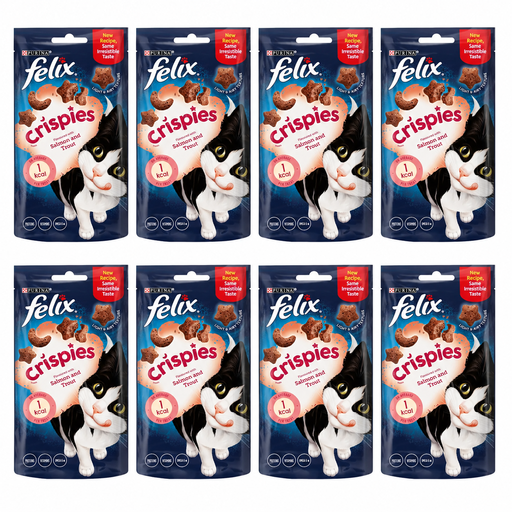
Why This Fits Their Persona: The eight-pack format suits households that use treats regularly and want a larger total quantity without repeatedly ordering small pouches.
The bundle clearly states eight 45g packs, total net weight of 360g and feeding guidance, making the quantity easier to assess than a vague “mega” label.
Approximately 1 kcal per treat; salmon and trout flavour; individual packs can help preserve freshness.
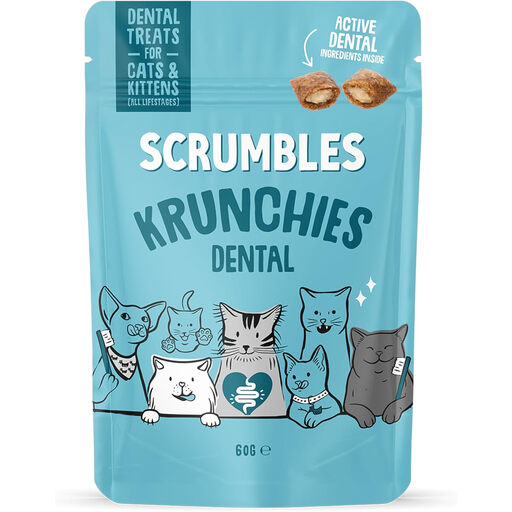
Why This Fits Their Persona: This option is suited to owners who want a clearly specified ingredient list and a treat designed for dental-care routines.
The product identifies SHMP and provides feeding and storage guidance. It should be viewed as a complementary dental treat, not a replacement for professional dental care.
Contains 22% chicken; listed at less than 1.5 kcal per treat; includes 0.6% SHMP in the composition.
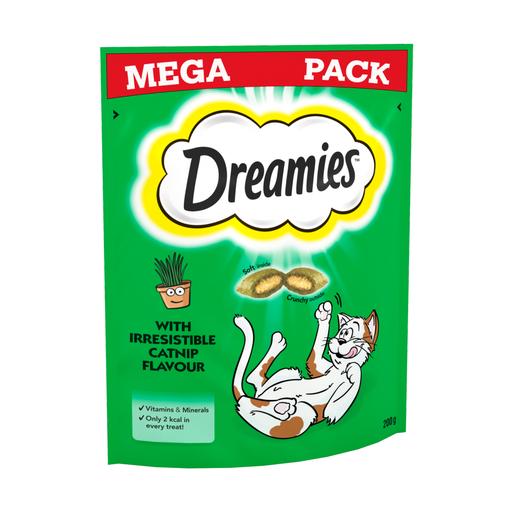
Why This Fits Their Persona: The 200g format is practical for multi-cat homes, frequent reward routines or owners who want catnip treats available for play and training.
The product states a maximum daily amount and storage period, helping heavy users avoid open-pack freshness and overfeeding problems.
200g value pack; crunchy exterior with a soft interior; catnip flavour; guidance of up to 20 pieces for adults and 6 for kittens over 8 weeks.
We have compiled a complete, real-time list of products that fully satisfy these strict selection criteria and UK safety regulations.
Keep opened packets tightly sealed in a cool, dry place away from direct sunlight, heat and humidity. Check the best-before date and follow the product’s stated “use within” guidance after opening.
Offer treats under supervision, particularly if your cat eats quickly. Fresh drinking water should always be available. If introducing a new flavour such as tuna, salmon, chicken or beef, begin with a small quantity and monitor whether your cat accepts it.
Some products are suitable for kittens over 8 weeks, but not every pack has the same guidance. Check the label carefully and use the kitten-specific serving limit. Treats should remain a small addition to a balanced kitten diet.
The correct amount depends on the product, your cat’s size, age, activity and main diet. Follow the pack instructions, count individual pieces where possible and reduce the main meal accordingly.
No. Dental cat treats may form part of a home-care routine, but they should not be treated as a replacement for brushing, regular checks or veterinary advice where your cat has dental concerns.