
24/7 Customer Support

Free returns

Same-day & Next-day Delivery

Quality Guaranteed

Unlock Your Welcome Offers: FREE Delivery | Up to 80% OFF | Free 30-day JoyPlus trial
Download the APP
As a cat owner, you know that a well-chosen treat can be a powerful tool for training, bonding or simply showing affection. However, the UK market for cat treats is saturated with options, and not all are created equal. Navigating the marketing claims to find something that is both appealing to your cat and genuinely beneficial can be a challenge.
Many well-intentioned owners find themselves caught in common purchasing traps. It's easy to be swayed by attractive packaging or appealing buzzwords, only to end up with a product that your cat ignores or, worse, that isn't as wholesome as it claims. Before you spend another pound, let's look at the most frequent pitfalls:
By understanding what to look for, you can bypass these issues and select treats that offer genuine value for both you and your feline companion.
To make an informed choice, focus on a few key product specifications. These objective factors cut through the marketing hype and tell you what you're really getting.
The single most important factor is the ingredient list. For a high-quality treat, look for a clearly named protein source—such as "chicken," "salmon," or "beef"—listed first. This indicates that meat is the primary component. Be cautious of products that lead with cereals or list only "meat and animal derivatives," as the quality and source of this protein can be ambiguous. Truly healthy cat treats will also be free from added sugars, artificial colours and artificial flavours.
The physical form of the treat should align with your intended use. Each texture serves a different purpose:
Not all treats are suitable for all life stages. Kitten treats should be specifically formulated for their developmental needs and be small and soft enough for their delicate mouths. Always check the packaging for age recommendations. Furthermore, treats should only make up about 10% of your cat's daily caloric intake. Opt for low-calorie options and products with individual packaging, like foil-wrapped sticks or single-serve sachets, to ensure freshness and prevent accidental overfeeding.
Based on these practical criteria, we've matched some standout products to common UK cat owner profiles.

Why This Fits Their Persona: For the owner who scrutinises every label, this treat offers complete transparency. It's ideal for cats with sensitivities or for those on a limited-ingredient diet, providing a high-protein reward without any hidden extras.
It directly counters the "natural label illusion" by being made from a single ingredient: 100% chicken breast. There are no fillers, grains, sugars or ambiguous derivatives.
The freeze-drying process locks in the natural flavour and nutrients of the chicken. It's a pure, high-protein (80%) snack with no artificial colours, flavours or preservatives.
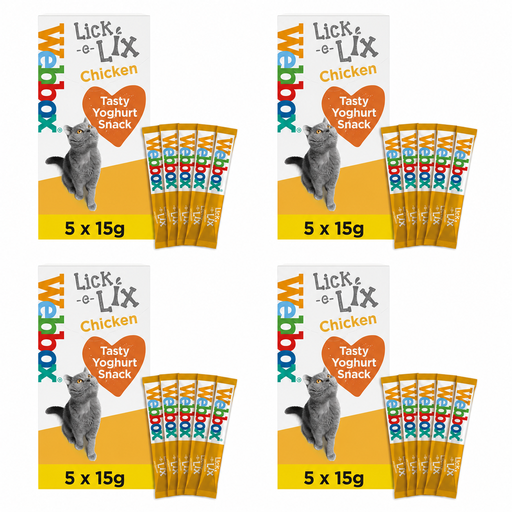
Why This Fits Their Persona: This owner values treats as a way to connect with their cat. The lickable format is perfect for hand-feeding, which strengthens the human-animal bond and provides a fun, engaging activity for both pet and owner.
It solves the "freshness failure" pitfall. The treats come in individual 15g sachets, ensuring that every serving is as fresh and appealing as the first, eliminating waste from stale, opened packs.
The soft, creamy consistency is highly palatable and versatile. It can be used for hand-feeding, as a reward or as a flavourful topper to encourage cats to eat their main meal.

Why This Fits Their Persona: This owner is looking for a treat that does more than just taste good; they want a functional benefit. These treats are designed for daily use to support oral hygiene, making them a practical addition to a cat's routine.
It avoids the "ineffective functional formula" trap with a thoughtful design. The porous texture is specifically engineered to surround the tooth for a more effective clean, unlike overly hard or soft alternatives.
According to the brand, its design is scientifically proven to help reduce tartar build-up. It is also fortified with calcium and taurine to support strong teeth and overall health.
We have compiled a complete, real-time list of products that fully satisfy these strict selection criteria and UK safety regulations.
A good rule of thumb is the 10% rule: treats should not make up more than 10% of your cat's total daily calorie intake. The specific number of treats will depend on their calorie content, as well as your cat's age, weight and activity level. Always check the feeding guide on the packaging and adjust your cat's main meal accordingly to prevent weight gain.
The effectiveness of dental cat treats largely depends on their texture and how your cat eats them. For a treat to provide a mechanical cleaning benefit, it needs to have a porous or abrasive texture that scrapes against the tooth surface during chewing. Treats that are swallowed whole or are too soft will offer little to no dental advantage. They are a helpful supplement to a good oral care routine but should not replace it entirely.
It is generally advisable to give kitten treats specifically formulated for them. Kittens have different nutritional requirements for growth and smaller, more delicate teeth. Treats designed for adult cats may be too large, too hard or not nutritionally balanced for a growing kitten. Always check the product's packaging for the recommended minimum age, which is often three months or older.