
24/7 Customer Support

Free returns

Same-day & Next-day Delivery

Quality Guaranteed

Unlock Your Welcome Offers: FREE Delivery | Up to 80% OFF | Free 30-day JoyPlus trial
Download the APP
Is your sofa looking a little worse for wear? Are your curtains starting to resemble a fringe decoration? If you share your home with a feline friend, you know that their natural instinct to scratch can take a toll on your furniture. A well-chosen cat tree isn't just a piece of pet furniture; it's an essential tool for redirecting those scratching instincts, providing mental enrichment and giving your cat a safe space to climb, play and observe their kingdom.
As the Joybuy Product Recommendation Officer, my role is to help you navigate the options and find a practical solution that suits your cat and your home. This guide cuts through the clutter to focus on what truly matters: stability, material quality and a design that your cat will actually use. Let's find the right fit to keep both you and your pet happy.
Before we look at specific products, here are a few key points to consider during your search.
A wobbly cat tree is an unused cat tree. Cats are cautious climbers and will avoid any structure that feels unsafe. Look for models with a wide, heavy base for a low centre of gravity. For taller structures, especially a cat tower for big cats, an anti-tip kit that secures the unit to a wall is a crucial safety feature. This ensures the tower remains upright, even when your cat launches itself at full speed for a vigorous climb or scratch.
The scratching surfaces are the main event. The two most common materials are sisal and cardboard, each with its own benefits.
Consider your cat's personality, size and whether you have a multi-cat household. A shy cat will appreciate a cat condo or enclosed cave where they can hide and feel secure. An outgoing, curious cat will make great use of a tall, stable cat perch with a view of a window or the room's activity. For homes with more than one feline, look for multi-cat furniture with multiple perches and scratching areas to prevent territorial disputes.
Based on features that prioritise safety, durability and cat-friendly design, here are a few standout options.
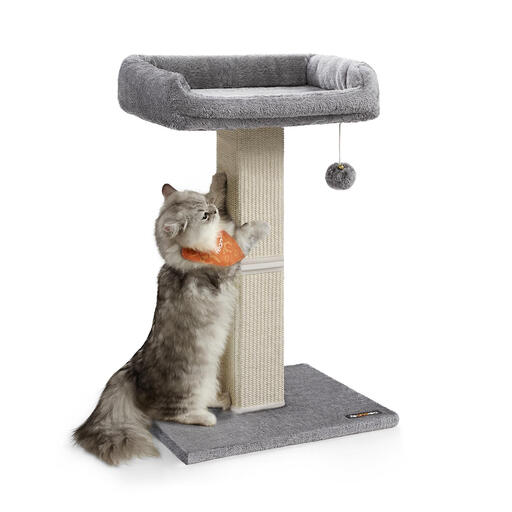
Why It Stands Out: This model is an excellent solution for those who need a functional scratching and lounging spot without sacrificing floor space. The entire post is wrapped in tough, woven sisal, offering a generous surface for scratching. Its standout feature is the thoughtful combination of a durable scratcher with a comfortable, elevated perch.
Pros:
Who is it for? This is a great choice for owners in flats or smaller homes. It's perfectly suited for single or dual-cat households with small to medium-sized cats (up to 7 kg each) who need a dedicated spot to scratch and relax.
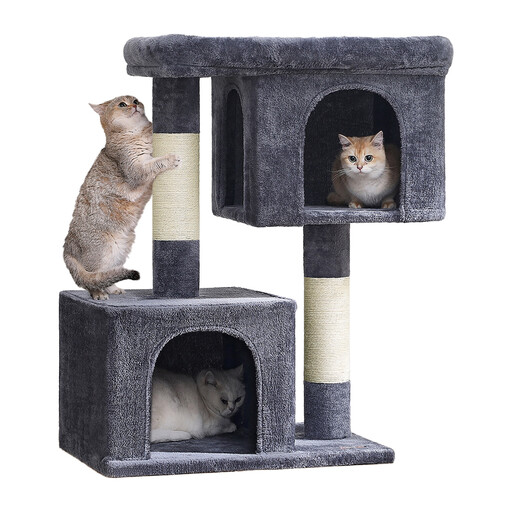
Why It Stands Out: This large cat tree is built to handle more demanding users. Engineered for cats up to 20 kg, its sturdy construction, thickened support posts and wide base make it a safe and engaging playground for bigger breeds like Maine Coons or Ragdolls, as well as energetic multi-cat families. The dual cat caves offer valuable private space in a shared environment.
Pros:
Who is it for? If you own a large cat breed or have a bustling multi-cat household, this robust piece of multi-cat furniture provides the space, stability and variety needed to keep everyone entertained and comfortable.
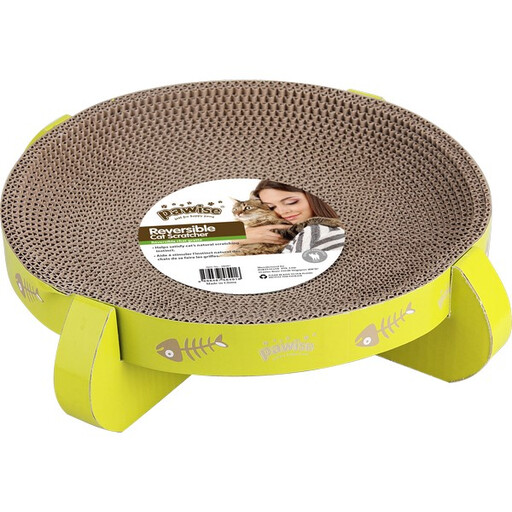
Why It Stands Out: Sometimes, simplicity is best. This cardboard cat scratcher offers a straightforward and effective solution that satisfies a cat's love for scratching and lounging on corrugated surfaces. Its key advantage is the reversible design, which effectively doubles its lifespan and provides excellent value.
Pros:
Who is it for? This is ideal for cat owners looking for an affordable, space-saving option. It also works wonderfully as a secondary scratcher to place in another room, giving your cat a choice of scratching surfaces and locations.
If these selections aren't quite what you had in mind, or if you're interested in a different style like a dedicated scratching bed, there are many other designs to explore.
? Explore our full range of cat scratching beds and furniture to find the perfect match for your home and your cat.
1. Where is the best place to put a cat tree? Place the cat tree in a social area of your home, such as the living room, where your cat can feel part of the family's activities. A spot near a window is also excellent, as it provides entertainment in the form of "cat TV" (watching birds and people outside). Avoid tucking it away in a remote corner, as it's less likely to be used.
2. How do I encourage my cat to use a new cat tree? Make the new furniture appealing. You can sprinkle catnip on the perches and scratching posts or use a catnip spray. Engage your cat in play around the tree with a wand toy to encourage them to climb and explore. Placing a few of their favourite treats on the different levels can also create a positive association.
3. Are sisal or cardboard scratchers better? Neither is definitively "better"—they just serve different preferences. A sisal scratcher is fantastic for vertical stretching and shredding, satisfying a cat's instinct to mark territory on an upright surface. A cardboard cat scratcher is often preferred for horizontal scratching and lounging. The ideal setup for many cats is having access to both types.