
24/7 Customer Support

Free returns

Same-day & Next-day Delivery

Quality Guaranteed

Unlock Your Welcome Offers: FREE Delivery | Up to 80% OFF | Free 30-day JoyPlus trial
Download the APP
Choosing cat litter is rarely as simple as picking the largest bag on the shelf. The right option depends on your cat’s habits, your cleaning routine, the size of your home and how much dust or tracking you are willing to tolerate. A low price can become less economical if the litter needs frequent replacement, while a premium-looking formula may not suit a cat that dislikes scented granules.
This guide explains the key differences between cat litter types, the marketing traps to watch for and which options may suit different UK households.
A cat litter 20L bag appears to offer more than a cat litter 2.5kg bag, but litres and kilograms measure different things. Lightweight plant-based and paper products may occupy more volume per kilogram than mineral granules. Compare the material, tray depth, absorbency and replacement instructions rather than relying only on the number printed on the front.
Some tofu cat litter products are described as flushable, but plumbing systems, waste quantities and local guidance vary. Used clumps can expand or contribute to blockages. Unless the packaging and your local wastewater provider clearly permit disposal in this way, place used litter in household waste. Never flush mineral, bentonite or non-clumping litter.
A strong fragrance may cover smells temporarily but can discourage cats that prefer a neutral tray. Odour-control cat litter can work through absorption, clumping, mineral barriers, baking soda or added fragrance. Check the mechanism and select an unscented option if your cat or household is sensitive to perfumes.
Clumping cat litter binds around urine, allowing you to remove the wet section while leaving cleaner litter in the tray. This can reduce daily waste and suits owners who prefer quick scooping. Fine grains often feel more like sand under paws, although they may track more easily.
Non-clumping cat litter absorbs moisture without forming a solid mass. It can be straightforward for kittens, households using several trays or owners who prefer larger granules. However, wet areas need careful monitoring and the full tray generally requires more frequent changing.
For kittens, check the product’s age guidance and supervise the transition. A kitten-friendly cat litter should be introduced gradually, particularly if the texture differs significantly from the litter already accepted.
Look for clearly stated dust information, such as low-dust cat litter or a quoted dust-reduction percentage. No litter should be assumed to be completely dust-free unless the product information specifically says so. Pour slowly, keep the bag close to the tray and avoid shaking granules unnecessarily.
Texture also matters. Fine, sand-like particles may be comfortable for some cats, while paper pellets or larger mineral granules can reduce tracking. A litter mat outside the tray can catch particles, but it cannot compensate for a texture your cat refuses to use.
Common choices include mineral, bentonite, tofu, cassava, corn and recycled paper. Plant-based cat litter and eco-friendly cat litter may appeal to households seeking renewable or recycled materials, but “natural” does not automatically mean compostable or flushable.
Read the disposal instructions before purchase. Paper pellet cat litter may be biodegradable, but used litter should still be handled according to the packaging and local waste guidance. Keep all litter dry during storage, as moisture can affect absorbency and clumping.
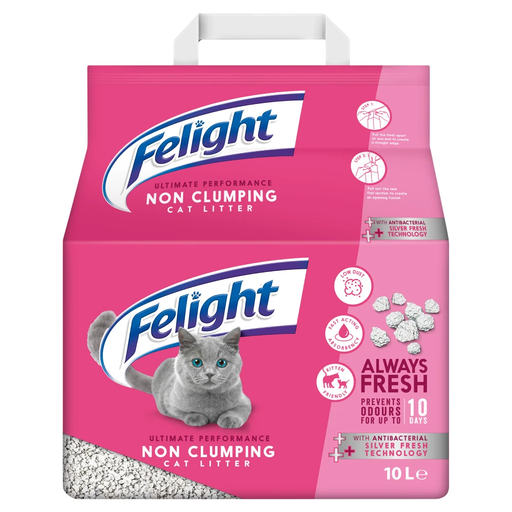
Why This Fits Their Persona: A practical starting size for one cat or for owners comparing non-clumping mineral litter without committing to a larger bag.
Its product information identifies a low-dust, fast-absorbing non-clumping formula, so the choice is based on stated features rather than fragrance alone.
10L format, fast moisture absorption, low-dust design and suitability for kittens and adult cats.
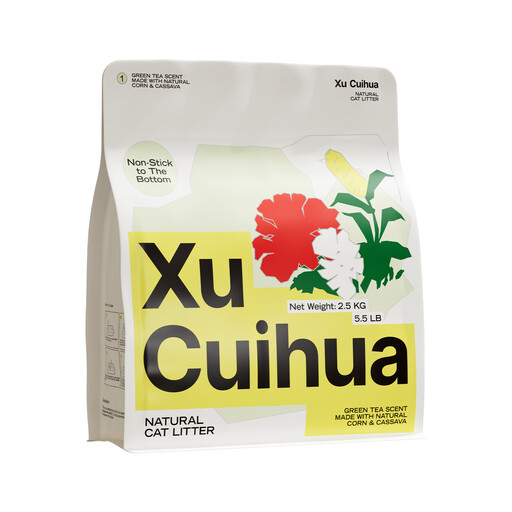
Why This Fits Their Persona: Suits owners looking for a lightweight plant-based option with a fine texture and a scented approach to tray freshness.
The listing specifies a tofu and baking-soda formula, 1.5mm pellets and 99% dust-free performance; it also states that used litter can be flushed, subject to suitable local plumbing and disposal guidance.
100% plant-based formula, anti-tracking pellets, low dust and a 2.5kg easy-handling pack.
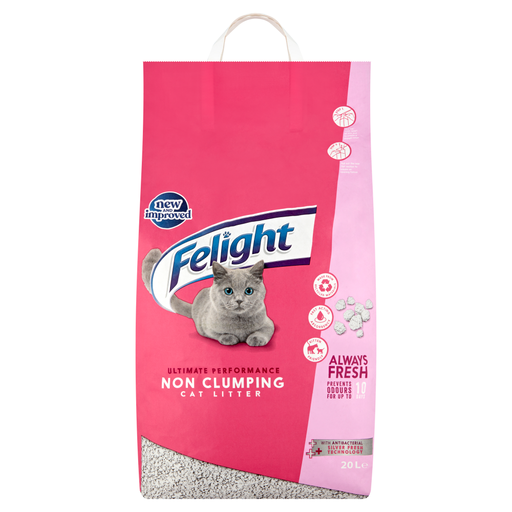
Why This Fits Their Persona: The larger format is convenient for multi-cat homes or owners who want fewer repeat purchases and a non-clumping routine.
It clearly states a recommended tray depth of around 5cm, regular solid-waste removal and weekly full replacement, making ongoing maintenance easier to plan.
20L volume, lightweight mineral granules, low dust and Silverfresh technology described for antibacterial and odour-control purposes.
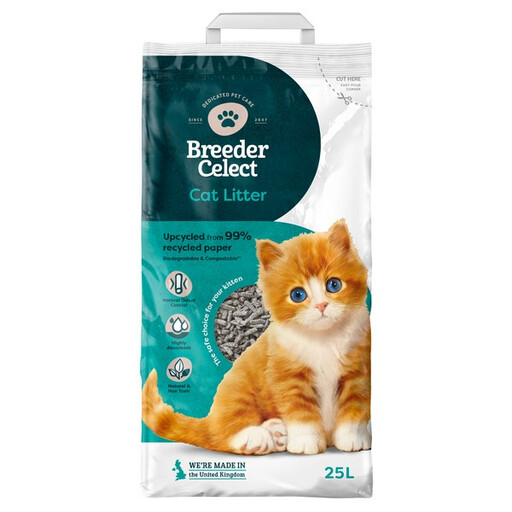
Why This Fits Their Persona: A suitable direction for UK shoppers prioritising recycled materials, lightweight handling and reduced tracking around the home.
The materials are stated as 100% recycled newspapers, while the instructions explain gradual introduction, regular stirring and weekly replacement.
Paper pellet construction, 99% dust-free specification, natural odour control and UK production.
We have compiled a complete, real-time list of products that fully satisfy these strict selection criteria and UK safety regulations.
Scoop solid waste daily and follow the product’s full-change guidance. Non-clumping products often need a complete change at least weekly, while clumping litter may last longer when clean areas are retained. Multi-cat households usually need more frequent cleaning.
Some tofu cat litter is marketed as flushable, but this depends on the product, quantity and plumbing system. Check the packaging and local wastewater guidance first. Do not flush mineral litter or large amounts of used litter.
Paper pellets and products with a stated low-dust or 99% dust-free specification may help reduce airborne particles. Pour slowly and check the granule texture, as low dust does not necessarily mean low tracking or guaranteed acceptance by every cat.