
24/7 Customer Support

Free returns

Same-day & Next-day Delivery

Quality Guaranteed

Unlock Your Welcome Offers: FREE Delivery | Up to 80% OFF | Free 30-day JoyPlus trial
Download the APP
Redness, tightness, blemishes and a weakened skin barrier can make choosing skincare feel unnecessarily complicated. Centella asiatica skincare, also known as cica skincare, is widely used in Korean routines for lightweight hydration and a calming feel. However, a plant extract alone does not guarantee that a product will suit your skin.
The useful approach is to look beyond phrases such as “soothing”, “repair” or “sensitive-skin friendly”. Check the full ingredient list, product texture, intended use and sun-protection details before buying.
A product may advertise a high percentage of Centella Asiatica Extract, but the overall formula still matters. Preservatives, exfoliating acids, fragrance, essential oils and other active ingredients can affect how a reactive complexion feels.
For example, a simple essence containing water, butylene glycol and centella may be easier to introduce than a multi-active formula. If your skin is easily irritated, start with one new product rather than changing your entire Korean skincare routine at once.
A watery centella toner or essence can add hydration, but it may not be sufficient for dry or compromised skin on its own. Look for complementary ingredients such as glycerine, hyaluronic acid, beta-glucan, panthenol, cholesterol, fatty acids and ceramides.
A skin barrier repair cream should create a comfortable moisturising layer without leaving your skin uncomfortably greasy. Oily or combination skin may prefer a gel cream, while dry skin may need a richer cream containing emollients and barrier-supporting lipids.
SPF 50+ products still need to be applied generously and reapplied when appropriate. A sun stick is convenient for touch-ups, but swiping once or twice is unlikely to provide the same coverage as a properly applied initial layer of sunscreen.
For everyday UK use, check the product packaging for SPF, UVA protection information and usage instructions. The Korean PA++++ marking indicates a high UVA-protection category within that system, but packaging and labelling can vary by market. A sun serum may suit your morning routine, while a sun stick is more practical for reapplication over make-up.
For sensitive or redness-prone skin, a short ingredient list can make it easier to identify what works and what does not. Mixsoon’s centella toner and essence, for instance, use relatively concise formulas centred around Centella Asiatica Extract.
This does not mean a longer ingredient list is automatically unsuitable. Ingredients such as ceramides, niacinamide or gentle humectants may be useful additions. However, if you are also using retinoids, exfoliating acids or acne treatments, avoid introducing several potentially active products simultaneously.
The SKIN1004 Madagascar Centella Hyalu-Cica Water-Fit Sun Serum is listed as SPF 50+ PA++++, with a watery texture and ingredients including centella, hyaluronic acid and niacinamide. It is not listed as water- or sweat-resistant, so reapplication is particularly relevant after swimming or heavy perspiration.
The matching sun stick is also listed as SPF 50+ PA++++ and has a portable format designed for touch-ups. Its formula includes silica for a less shiny finish, making it a practical option for oily or combination skin. Use a separate initial sunscreen layer rather than relying only on occasional stick application.
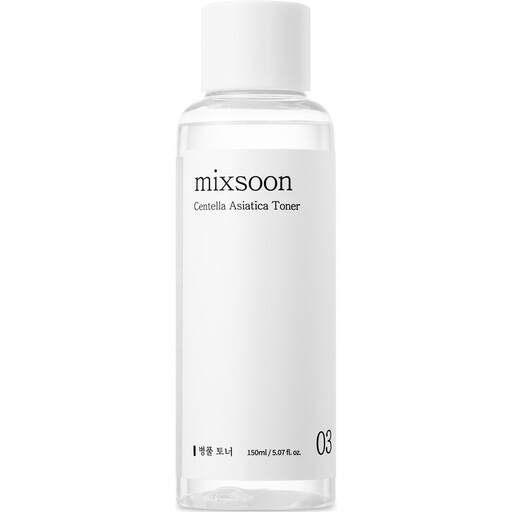
Why This Fits Their Persona: A straightforward starting point for UK shoppers who want to add one lightweight cica step before buying a larger routine. It can be applied by patting or gently wiping after cleansing.
Its listed ingredient formula is concise, making it easier to assess alongside existing sensitive skin products.
Light watery texture; suitable for tapping in or using with a cotton pad.
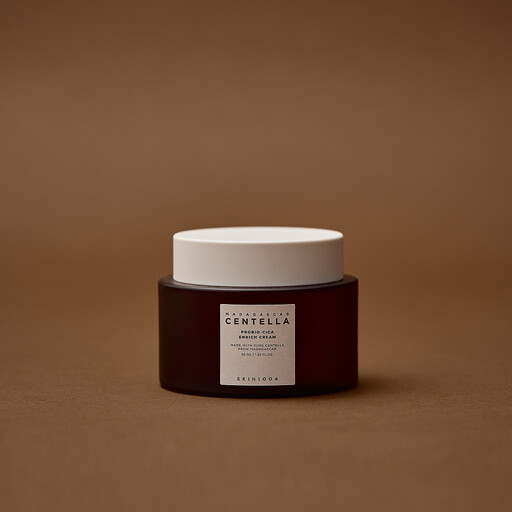
Why This Fits Their Persona: A richer choice for adults with dry, tight or visibly stressed skin who want centella alongside ceramide NP, squalane and fermented ingredients.
It combines soothing ingredients with barrier-related components, rather than presenting a watery extract as a complete moisturiser.
Contains centella, ceramide NP, squalane and nourishing seed oils; designed as the final cream step.
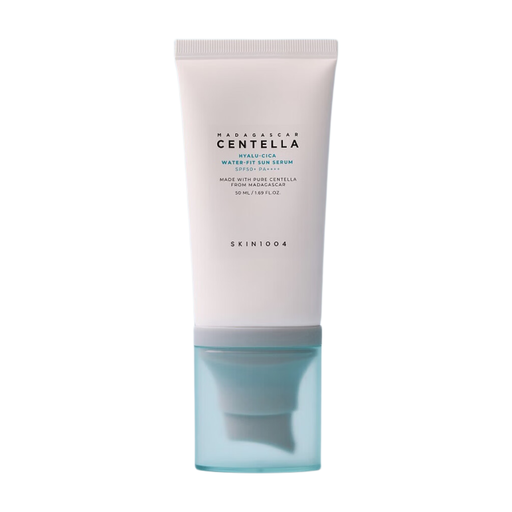
Why This Fits Their Persona: Suits commuters, make-up wearers and anyone wanting a light morning SPF layer that feels closer to a serum than a rich cream.
The product information clearly states that it is not water- or sweat-resistant, helping buyers plan reapplication rather than assume long-lasting coverage.
SPF 50+ PA++++ listing; watery formula with centella, hyaluronic acid and niacinamide.
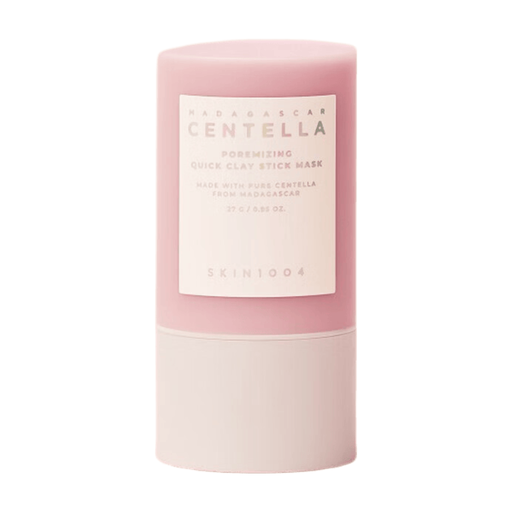
Why This Fits Their Persona: Designed for shoppers managing shine and clogged-looking pores who want a targeted weekly treatment rather than another daily leave-on active.
The instructions specify a 3–5 minute application and advise not allowing the mask to dry completely, reducing the risk of over-drying through prolonged use.
Five-clay formula; stick format for focused T-zone application and less mess.
A practical routine does not need every product category:
Patch test new products on a small area first. Stop using a product if you develop persistent irritation, swelling, rash or significant discomfort, and seek appropriate medical advice where needed.
It can be a useful option for some sensitive skin types because many formulas focus on lightweight hydration and a comfortable skin feel. Suitability depends on the complete formula, not only the presence of centella. Patch testing is sensible, particularly when a product also contains fragrance, essential oils, exfoliants or multiple botanical extracts.
Many centella toners, essences and moisturisers are designed for daily use, but follow the individual product instructions. Introduce one product at a time and reduce frequency if your skin feels dry, stings or becomes more reactive.
Shelf life varies by product and packaging. Check the printed batch information, expiry details and open-jar symbol where provided. Store products away from direct sunlight and heat, close containers promptly and avoid sharing them. Sunscreen should be replaced according to its packaging guidance and should not be relied on if its texture, colour or smell has noticeably changed.