What matters when choosing?
Start with a safe position and socket, then match the heater’s intended use and controls to the part of the lounge you want to warm.
| Concern |
What to check |
Who this matters to |
| Safe placement |
Check the placement instructions, stable footprint, tip-over shut-off and overheat protection. Allow clearance from furnishings and keep the lead out of walkways. |
If people regularly cross the lounge, I need a heater that will not be knocked or blocked. Around 33% of consumers would put safe shared-room use first. |
| Warmth in the room |
Consider room size, draughts and where people sit; compare heat settings and independent room-heating tests where available. |
When the lounge feels chilly, I want warmth where we actually sit, not a promise based on wattage alone. Around 33% of consumers would prioritise how well the heater addresses that chill. |
| Noise and controls |
Check available noise information, the thermostat and whether regular users can adjust the settings without moving the heater. |
During conversations or television, I need manageable fan noise and controls everyone can use. For around 20% of consumers, that shared-room experience would be the primary concern. |
| Moving and storing |
Compare the dimensions, carry features and storage space; plan a safe route for the mains lead during use. |
If the heater must be put away after use, I need one I can fit and move without leaving an obstacle in the lounge. Around 14% of consumers would make portability and storage their main priority. |
Joybuy products for supplementary warmth
These products offer different approaches to supplementary warmth: adjustable or oscillating models for occupied parts of a lounge, alongside compact options to consider when the heater will be moved or stored. Check each model’s placement instructions and safety features before deciding whether it fits your shared space.
 No image available
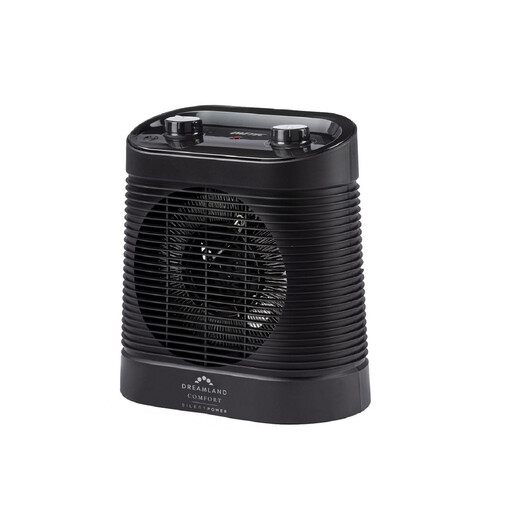
Dreamland Silent Power Comfort Ceramic Fan Heater, 2000W, Grey
Consider this model if adjustable local warmth is more useful than an assumed whole-lounge solution.
The product name specifies ceramic technology, 2000W output and digital control. Check its tip-over protection, plug type, placement instructions and noise information before use in a shared room.
View on Joybuy
 No image available
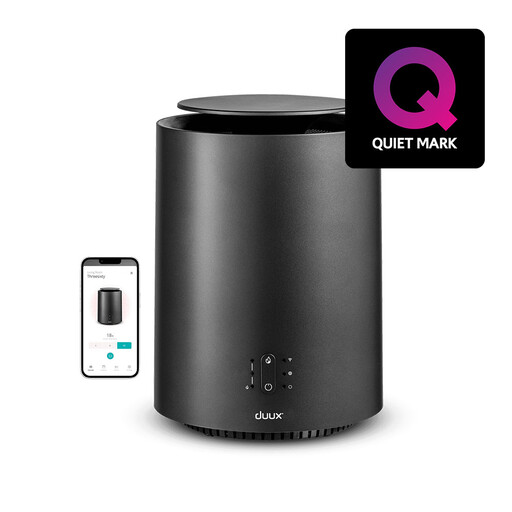
Duux ThreeSixty 2 DXCH09UK Ceramic Fan Heater, 1800W, Black
Consider this model where changing airflow direction matters, without assuming it will warm every seat equally.
The product name specifies 1800W output and 360° oscillation. Before choosing a position, check its dimensions, operating noise, plug type and required clearances.
View on Joybuy
 No image available
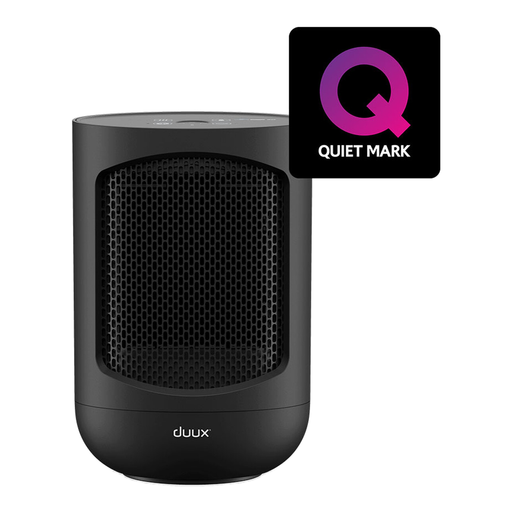
Duux Zone DXCH41UK Personal Ceramic Fan Heater, 1500W, Black
Consider this personal heater for warmth around occupied seating rather than assuming it will heat the whole lounge.
The product name specifies 1500W output, 60° oscillation and three settings. Check its noise, thermostat controls, plug type and safe placement if several people use the room.
View on Joybuy
 No image available
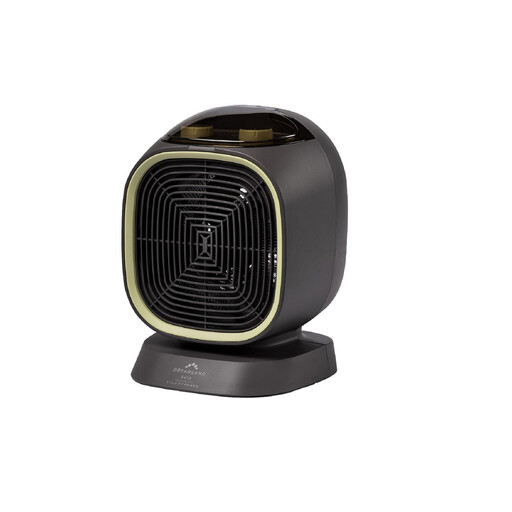
Dreamland Silent Power Eco 4037 Fan Heater, Black
Consider this compact option if moving or storing the heater is important to your lounge routine.
Check its heat settings, power output, thermostat, shut-off features, plug type and placement instructions before choosing it for shared use. The name alone does not establish quiet operation or lower energy use.
View on Joybuy
Common questions
Which safety features matter in a shared lounge?
Look for tip-over shut-off and overheat protection, but plan a stable position with unobstructed vents as well. Keep the heater clear of curtains, furniture and papers, and follow its placement instructions; safety controls do not make an obstructed or easily knocked position acceptable.
Should a ceramic fan heater stay on overnight?
Do not make overnight use a routine: Electrical Safety First advises against using a portable heater overnight. Switch it off when the lounge is unattended.
Can I use an extension lead with a ceramic heater?
Use a suitable wall socket where possible and check the instructions for the exact heater before considering an extension lead. The VonHaus 2514041 manual does not recommend an extension cord, while Electrical Safety First warns against overloading or daisy-chaining extension equipment.
What determines a ceramic heater’s running cost?
Running cost depends on actual electricity use, time in operation and your tariff, rather than the heater’s rated maximum output alone. Compare any measured energy-use figures under their stated conditions and account for thermostat cycling when judging how you would use the heater.
Should I look for UKCA or CE marking?
For Great Britain, Department for Business and Trade guidance says CE marking continues to be recognised alongside or instead of UKCA marking for relevant product regimes. Check the marking and product instructions for the appliance you are buying; Northern Ireland can have different arrangements, so do not treat Great Britain guidance as a universal UK rule.


