Cooks keeping their existing pans
If the frying pan you use for breadcrumbs is not magnetic, a ceramic radiant hob avoids the induction compatibility requirement. Samsung UK advises that induction needs a pan containing iron.


For toasting breadcrumbs in a frying pan, start with the pan you intend to use: a ceramic radiant hob avoids the magnetic-pan requirement, while induction is an option if the pan has a compatible magnetic base. Bosch UK describes induction as faster to heat, but either route still calls for close attention to the breadcrumbs. Before choosing a built-in model, check its controls, worktop cut-out and electrical installation requirements.
If the frying pan you use for breadcrumbs is not magnetic, a ceramic radiant hob avoids the induction compatibility requirement. Samsung UK advises that induction needs a pan containing iron.
If you toast breadcrumbs frequently, consider how easily you can adjust the heat while watching the pan and clean around the controls once the surface has cooled. Knob and touch layouts differ by model; neither control style establishes a browning advantage.
Match the new hob to the existing worktop opening and electrical supply, not just its advertised width. AEG UK specifies a 560 × 490 mm cut-out and hardwired connection for its HK614000CB ceramic hob; other models need their own installation checks.
Consider it when: You want to keep using a frying pan that does not meet induction’s magnetic-pan requirement.
Bear in mind: The heated glass can remain hot after cooking, so check the model’s residual-heat warning and wait before cleaning.
Consider it when: Your frying pan has a compatible magnetic base and you value the faster heating described by Bosch UK.
Bear in mind: A non-magnetic pan will need replacing for this use, and faster heating does not remove the need to watch and stir the breadcrumbs.
| Concern | What to check | Who this matters to |
|---|---|---|
| Pan compatibility | Test the intended frying pan with a magnet before choosing induction; check that its base suits the cooking zone. | I want to keep using my current frying pan rather than change cookware to toast breadcrumbs; around 36% of consumers put pan compatibility first. |
| Heat control and cleaning | Compare the exact model’s heat settings and control layout, and follow its cleaning instructions after the surface cools. | When I toast breadcrumbs often, I want to adjust the heat confidently and deal with stray crumbs afterwards. For around 29% of consumers, control and cleaning are the primary concern. |
| Installation fit | Compare the model’s cut-out, connection type and electrical load with your worktop and supply. | If I am replacing a built-in hob, it needs to fit the opening and suit the existing electrical installation; that is the first concern for around 21% of consumers. |
| Residual heat and locks | Check the exact model for a residual-heat indicator, a control lock and any automatic switch-off feature. | I want a clear warning before cleaning a recently used zone and controls that help guard against accidental operation. Around 14% of consumers prioritise these safeguards. |
An induction hob needs a compatible magnetic pan; a non-magnetic frying pan will not serve the breadcrumb-toasting task on it.
Test the pan base with a magnet before ordering. If it is unsuitable, consider a ceramic radiant hob or a compatible pan.
Changing to induction may also mean replacing the frying pan you use for this task.
The advertised width does not give the required opening or connection type. AEG UK specifies a 560 × 490 mm cut-out and hardwired connection for its HK614000CB and HK624010FB ceramic models.
Measure the opening and compare it with the installation instructions for the exact hob, including its electrical requirements.
A mismatch may require worktop changes or prevent the planned installation.
Residual-heat indicators, locks and automatic switch-off vary by model. A ceramic zone can remain hot after cooking even when the pan has been removed.
Check the manufacturer’s specification or manual for the features on the model you intend to buy; continue to supervise the pan while cooking.
Knobs offer physical adjustment, while touch controls leave a flatter area to wipe. Neither layout alone shows which hob will toast breadcrumbs more evenly.
Choose controls you can adjust comfortably during dry frying, then check the model’s cleaning and safety instructions.
Bosch UK lists both radiant electric and induction models relevant to this choice.
AEG UK offers ceramic models that illustrate a choice between physical knobs and touch controls.
Samsung UK explains the cookware distinction between ceramic and induction hobs.
These built-in ceramic and induction hobs illustrate both ways to toast breadcrumbs in a frying pan. Check your pan before choosing induction, then compare the exact model’s dimensions and installation requirements with your kitchen.
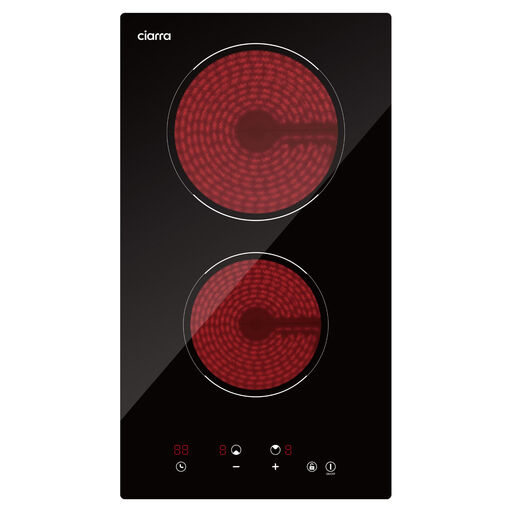 No image available
Consider this ceramic model if you want to use a frying pan without checking it for induction compatibility.
The title specifies two zones, 2,900 W, touch controls, nine power levels, a timer and a child lock. Check its cut-out and electrical requirements before buying, and let the glass cool before cleaning.
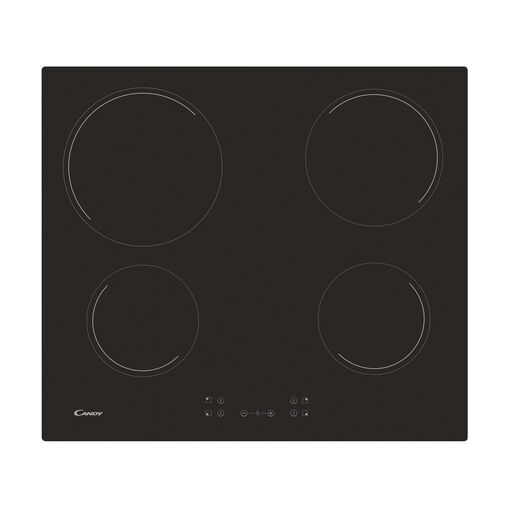 No image available
This is another ceramic option if avoiding the induction magnetic-pan requirement matters more to you than induction heating.
The product title specifies a 59 cm hob. Check the exact cut-out, connection requirements and controls before purchase; allow the surface to cool after use.
 No image available
Consider this induction model only if the frying pan you intend to use has a compatible magnetic base.
Its title specifies four zones and modular power control. Confirm how its controls work and whether the cut-out and electrical requirements suit your installation.
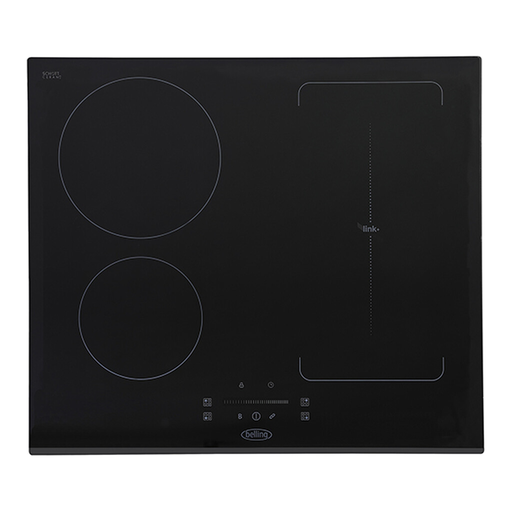 No image available
This induction hob is relevant if your breadcrumb-toasting pan is magnetic and you prefer the induction route.
The title specifies a 60 cm model. Test your pan with a magnet and compare the model’s installation instructions with your worktop and electrical supply.
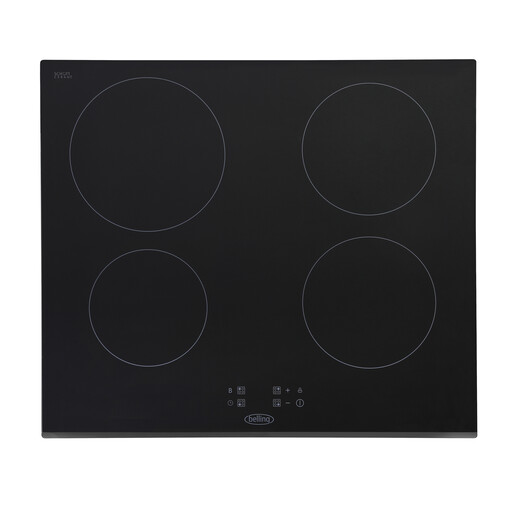 No image available
Choose this induction route only if your intended frying pan has a compatible magnetic base.
The title identifies the 60 cm IHT603 variant. Check its control layout, cut-out and electrical requirements for your kitchen rather than assuming it is interchangeable with another 60 cm model.
Choose a ceramic radiant hob if keeping a non-magnetic frying pan is your priority; consider induction if your pan is compatible and you value faster heating. Bosch UK describes induction as faster to heat, but neither type removes the need to stir and watch breadcrumbs as they toast.
It needs a compatible magnetic base. Samsung UK advises that induction pans must contain iron, so test the base with a magnet before committing to an induction hob.
No: the width category is not the cut-out measurement. AEG UK specifies a 560 × 490 mm cut-out for its HK614000CB and HK624010FB ceramic models; compare your opening with the installation drawing for the exact model you choose.
Check the exact hob’s connection type and electrical load against your existing supply before ordering. AEG UK specifies hardwired connections for the HK614000CB and HK624010FB; seek a qualified electrician’s advice if you are unsure whether a model suits your installation.
Wait until the surface has cooled, then follow the manufacturer’s cleaning instructions. Where fitted, a residual-heat indicator warns that a zone is still hot; do not treat the absence of a warning as a substitute for checking the appliance instructions.