Shoppers avoiding a specific allergen
Compare the current ingredients and any precautionary allergen statement for the exact bar and flavour. A brand name or cereal type cannot answer whether that portion meets your requirements.


Choose an individually portioned cereal-bar pack by the specific allergen you need to avoid, not by its brand, flavour or a vegan or gluten-free description. Check the current ingredients and any “may contain” statement for every variety in a mixed pack; recipes can change, and individual wrapping does not establish allergy suitability. Follow the allergy-management advice given to the person who will eat the bar when assessing precautionary statements.
Compare the current ingredients and any precautionary allergen statement for the exact bar and flavour. A brand name or cereal type cannot answer whether that portion meets your requirements.
For lunchboxes, travel or shared cupboards, check every variety in a mixed pack and keep the relevant wrapper or outer packaging available. Individually portioned bars still need an allergen check.
A gluten-free description does not resolve a separate peanut, tree-nut, soya or milk allergy. Check the complete allergen information for the particular bar.
Start with the allergen to avoid, then check the exact varieties in the pack and the packaging supplied.
| Priority | What to check | Your needs |
|---|---|---|
| Declared ingredients | Read the current ingredient list and highlighted allergens for the exact flavour. Check both the individual wrapper and outer pack where information appears on them. | I need to know whether the particular bar contains an allergen I avoid, before I buy or eat it. |
| “May contain” wording | Read any precautionary statement separately from the ingredients. The Food Standards Agency explains that it concerns possible unintentional allergen presence, not an ingredient deliberately used in the recipe. | A “may contain” statement affects my choice, so I need to assess it against the allergy-management advice for the person eating the bar. |
| Mixed-pack varieties | Identify every flavour in the pack and check its own allergen information. Recheck the packaging supplied when ordering again, as recipes can change. | If I am sharing a grab bag or packing several lunches, checking one flavour is not enough for all the bars. |
| Dietary descriptions | Check the full ingredient and precautionary information even when a bar is described as oat-based, vegan, protein-focused or gluten-free. Nature Valley describes its Protein Peanut & Chocolate bar as gluten-free, while its product information declares peanut, soya and milk and says it may contain tree nuts. | I cannot use a gluten-free or vegan description to decide whether a bar meets a different allergen restriction. |
Allergen profiles can differ within a range. Nature Valley describes its Protein Peanut & Chocolate bar as gluten-free, but lists peanut, soya and milk as ingredients and tree nuts in a “may contain” statement.
Start with the allergen to avoid, then read the current information for the exact flavour. Do not substitute a vegan, protein or gluten-free description for that check.
The Food Standards Agency describes precautionary allergen labelling as a way to communicate possible unintentional presence. It answers a different question from the ingredient list.
Read both statements and apply the allergy-management advice relevant to the person who will eat the bar.
One bar’s information cannot establish the allergen profile of another variety. Nature Valley and Kellogg’s also advise checking current packaging because products or recipes can change.
Check each variety and repeat the check on the pack supplied, including when buying a familiar pack again.
Weetabix identified several older Alpen bar varieties as no longer made in its January 2020 availability information. An older listing may therefore describe a different product from the one being considered.
Use current information for the exact pack in front of you rather than an archived flavour list.
These range examples show why the exact product matters; a brand reference does not establish that any bar suits a particular allergy.
Its UK range includes Crunchy multipacks and Protein bars with differing allergen information.
Its cereal snack bars need an exact-product allergen check, rather than a judgement based on the cereal named on the front.
Graze describes its Oat Boost range as wholegrain-oat flapjacks.
Its UK range includes fruit-and-nut bars alongside products it describes as vegan or gluten-free.
TREK describes plant-based protein bars and flapjacks in its range.
Alpen appears in cereal-bar searches, but an older product page may not describe the pack currently being offered.
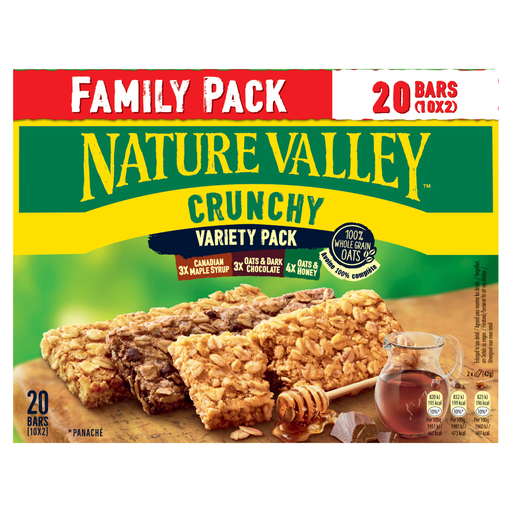
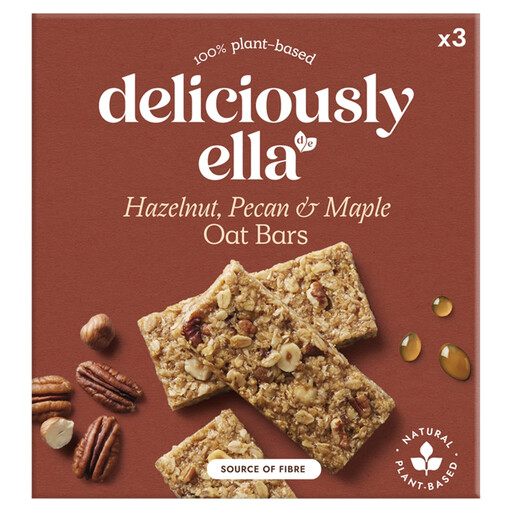
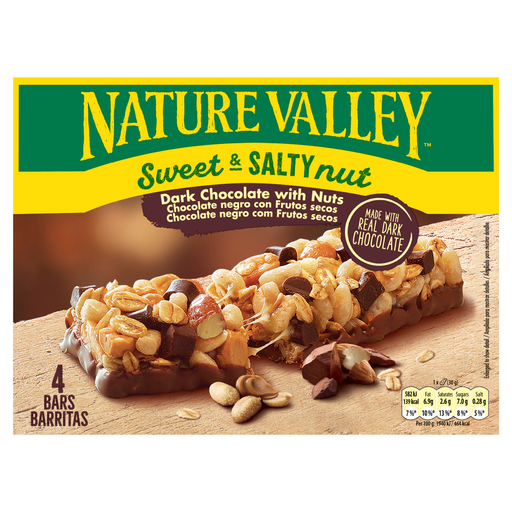
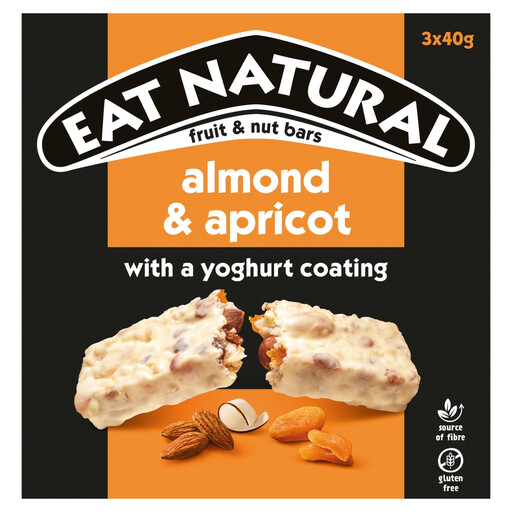
These multipacks offer different flavours and pack sizes to consider for portioned snacks. None should be chosen for a food allergy from its name alone: check the current allergen information for the exact pack and each relevant variety.
 No image available
For a variety pack shared between people or packed into lunches, check the current ingredients and precautionary statements for each flavour before selecting a bar.
 No image available
Hazelnut and pecan are named in this pack’s title. If nuts are relevant to your allergy check, read the full current ingredients and precautionary statement rather than relying on the flavour name alone.
 No image available
For this nut-named bar, check the precise ingredients and any “may contain” wording on the current pack, particularly if more than one allergen must be avoided.
 No image available
The flavour name mentions almond and yoghurt. Check the exact pack’s ingredient and precautionary information for all allergens that matter to the person eating it.
 No image available
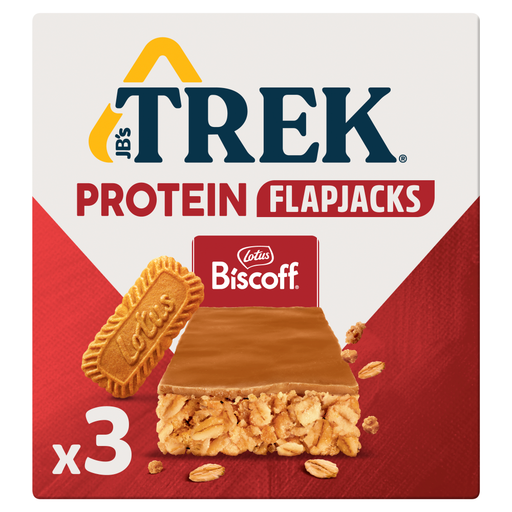
Assess this Biscoff variant using its own current ingredients and precautionary statement; allergen information for another TREK flapjack cannot stand in for this pack.
Yes. GOV.UK and Food Standards Agency guidance says food businesses must provide allergen information for prepacked food. Check the current ingredient list and allergen information for the exact bar, including any other variety in a mixed pack.
It is precautionary allergen labelling about possible unintentional presence, not a declaration that the allergen is used as an ingredient, according to the Food Standards Agency. Read it alongside the ingredients and follow the allergy-management advice applicable to the person eating the bar.
Use it to identify what to check, but read the packaging supplied before using the bars. Nature Valley and Kellogg’s both say products or recipes can change, so information from an earlier purchase may not describe the current pack.
No. Gluten-free positioning does not answer a separate peanut or milk allergy question. Nature Valley describes its Protein Peanut & Chocolate bar as gluten-free, while its product information lists peanut, soya and milk as ingredients and says it may contain tree nuts.
No. Wrapping can help keep information with a portion, but it does not establish that every flavour meets the same allergen requirements. Check each variety and retain the relevant wrapper or outer pack while the bars are being used.