A cereal-bar grab bag can be an option for a planned, carbohydrate-counted snack, but words such as “wholegrain”, “protein” or “no added sugar” do not establish its suitability for someone with diabetes. Compare total carbohydrate in the portion you will eat: Kent Community Health NHS Foundation Trust describes snacks under 10g carbohydrate as lower-carbohydrate options for people with type 2 or gestational diabetes, while people who count carbohydrate need to follow their individual plan.
Who is this for?
A convenient pack is easier to assess when you know whether you need to count carbohydrate, check a dietary requirement or simply identify the portion in each wrapper.
Adults choosing portable snacks
If you keep bars at a desk or in a bag, compare the carbohydrate in the portion you will actually eat. Diabetes UK advises using the detailed nutrition information on the pack rather than relying on front-of-pack wording.
People who count carbohydrate
A cereal bar may fit a planned snack when its labelled portion fits an individual carbohydrate-counting plan. Kent Community Health NHS Foundation Trust notes that people with type 1 diabetes using an insulin pump will usually account for carbohydrate-containing snacks with a bolus.
Shoppers checking dietary requirements
Vegan or gluten-free wording does not tell you a bar’s carbohydrate amount or settle other allergen questions. Check the specific flavour and current pack for both nutrition and ingredients.
What should you check?
Decide what role the snack has in your plan, then read the carbohydrate figure for the number of bars you expect to eat. Sugar information and front-of-pack traffic-light labelling answer different questions.
A lower-carbohydrate snack instead
Consider this when: You have type 2 or gestational diabetes and have been advised to keep between-meal snacks low in carbohydrate. Kent Community Health NHS Foundation Trust describes options under 10g carbohydrate.
Trade-off: A non-bar option may not offer the same individually packed cereal-bar format; the NHS reference is not a universal rule for every person’s snack plan.
A planned cereal-bar portion
Consider this when: You can use the labelled carbohydrate for the portion you intend to eat in your individual plan.
Trade-off: One pouch may contain two bars. Diabetes UK notes that front-of-pack information does not include carbohydrate, so check the detailed label before counting the portion.
| Priority |
What to check |
Your needs |
| Total carbohydrate |
Find carbohydrate per bar or stated serving on the nutrition table. Check the serving weight and whether you will eat the whole portion. |
I need to know the carbohydrate in the amount I will eat, so I can compare it with my snack plan. |
| Pack and portion |
Count the bars in each pouch; a wrapper need not contain just one bar. Nature Valley lists 27g carbohydrate for its two-bar, 42g Crunchy Variety Pack portion. |
A grab bag is useful to me only if I can identify the portion without mistaking a two-bar pouch for one bar. |
| Sugar claims |
Read total carbohydrate alongside sugars and ingredients. Diabetes UK notes that front-of-pack information does not include carbohydrate. |
I do not want “no added sugar”, fruit or wholegrain wording to stand in for the carbohydrate figure. |
| Snack choice |
Compare the portion with your individual plan. For people with type 2 or gestational diabetes, Kent Community Health NHS Foundation Trust describes under 10g carbohydrate as a lower-carbohydrate snack reference. |
If I have been advised to choose a lower-carbohydrate between-meal snack, I may need an alternative to a bar above that reference. |
| Allergens |
Check the ingredients and any precautionary allergen statement for the exact flavour. UK food-labelling guidance requires specified allergens to be highlighted in the ingredients list. |
Before buying a mixed pack, I need every flavour to fit my dietary and allergen requirements. |
Common buying mistakes
-
Counting a two-bar pouch as one bar
Nature Valley gives 27g carbohydrate for the 42g, two-bar portion in its Crunchy Variety Pack. The stated nutrition is for both bars together.
Read the serving description before using the figure. If you plan to eat one bar, check or calculate its carbohydrate from the pack information rather than treating the pouch as a single bar.
-
Using “no added sugar” as a carbohydrate figure
Eat Natural describes its Peanut Soft Fruit Bar as having no added sugar, yet lists 15.2g carbohydrate and 13.5g sugars per 30g bar.
Compare total carbohydrate for the bar you will eat, then read sugars and ingredients for the other details that matter to you.
-
Assuming a protein flapjack is low in carbohydrate
Ocado lists 9g plant protein per 50g bar for the TREK Protein Flapjacks Variety Pack, alongside 22g to 25g carbohydrate per bar depending on flavour.
If protein or the flapjack format appeals to you, check the carbohydrate for the specific flavour as a separate decision.
-
Overlooking allergens in a familiar range
Eat Natural’s Peanut Soft Fruit Bar contains peanuts and carries precautionary warnings for other ingredients. Kellogg’s lists barley, wheat, milk and soya ingredients for its Rice Krispies Snack Bar.
Read the current ingredients and precautionary statements for each flavour, particularly when changing products or choosing a mixed pack.
Relevant brand references
These examples show how portion formats and labels differ across specific bar ranges; a brand name alone does not establish the carbohydrate or allergen details of another product.
Nature Valley
Its Crunchy Variety Pack is an oat-bar example with two bars in each pouch.
- Nature Valley lists 20 bars in 10 pouches and gives nutrition for a two-bar, 42g portion.
- That stated portion has 27g carbohydrate and 11.3g sugars. Nature Valley advises checking the pack because recipes can change.
Kellogg’s
Its Rice Krispies bar and Squares formats illustrate why the particular serving matters.
- Kellogg’s lists 15g carbohydrate per 20g Rice Krispies Snack Bar.
- Its 28g Gooey Marshmallow Square lists 21g carbohydrate and 9g sugars; the two products should not be treated as one portion size.
Graze
Graze presents Oat Boost flapjacks as an oat-based snack range.
- The range may be relevant if a flapjack format is your starting point.
- Graze’s sugar comparison is not a carbohydrate figure for a particular flavour. Check the retail pack’s portion and total carbohydrate.
Eat Natural
The range includes individually portioned fruit-and-nut bars, including soft fruit bars.
- Eat Natural lists 15.2g carbohydrate per 30g Peanut Soft Fruit Bar and 16.2g per 25g Red Fruits Soft Fruit Bar, giving two distinct portions to compare.
- The Peanut bar contains peanuts and has precautionary allergen warnings; its no-added-sugar description does not mean low carbohydrate.
TREK
TREK offers protein flapjack multipacks for shoppers who prefer an oat-bar format.
- Ocado lists individually wrapped 50g bars and four flavours in the TREK Protein Flapjacks Variety Pack.
- Ocado gives 22g to 25g carbohydrate per bar across those flavours. Its 9g plant protein figure does not replace the carbohydrate check.
Alpen
Alpen is a familiar name to check when comparing older cereal-bar listings.
- Alpen’s product information identifies several former bar varieties by name.
- Alpen says those listed varieties are no longer made. Check the identity, dates and current label of any bar offered under an older listing.
Joybuy bar and multipack options
These Joybuy listings cover cereal bars, an oat flapjack, nut bars and a protein bar in multipack formats. Compare the nutrition and ingredients for the exact pack before deciding whether a portion fits your plan; the Organix bars are labelled for children aged 12 months and over rather than presented as an adult snack.
 No image available
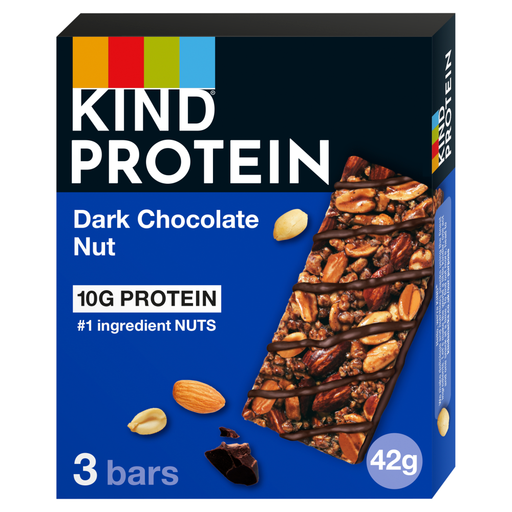
KIND Protein Dark Chocolate Nut Bars, 3 x 42g
For a nut-bar alternative to a cereal bar, this listing is a pack of three 42g bars. Check total carbohydrate per bar and the current nut and other allergen information before choosing a portion.
View on Joybuy
 No image available
Special K Dark Chocolate Snack, 6 x 21.5g
For a cereal-bar-style multipack, this listing contains six 21.5g snacks. Use the carbohydrate figure for the portion you intend to eat, and check the ingredients for relevant allergens.
View on Joybuy
 No image available
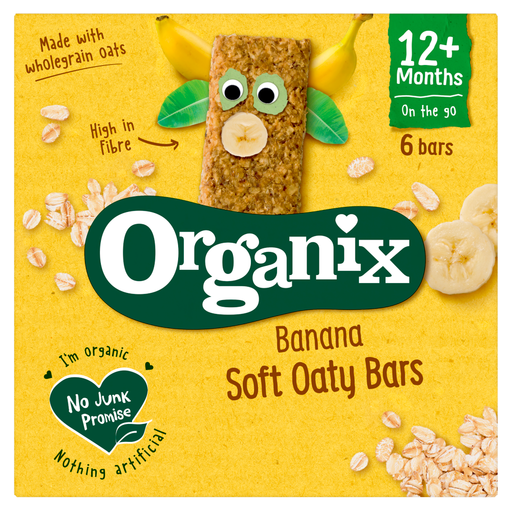
Organix Banana Soft Oaty Bars, 12+ Months, 6 x 23g
This six-bar, 23g-per-bar pack is labelled for children aged 12 months and over, so it is not an adult-focused cereal-bar option. Check the current nutrition and ingredients rather than using its oaty or fruit description to judge carbohydrate.
View on Joybuy
 No image available
Grenade Soft Core Double Chocolate Protein Bar, 12 x 50g
For shoppers considering a protein-bar multipack instead of cereal bars, this listing contains twelve 50g bars. Protein wording does not establish the carbohydrate amount; check the current nutrition table and ingredients for each bar.
View on Joybuy
 No image available
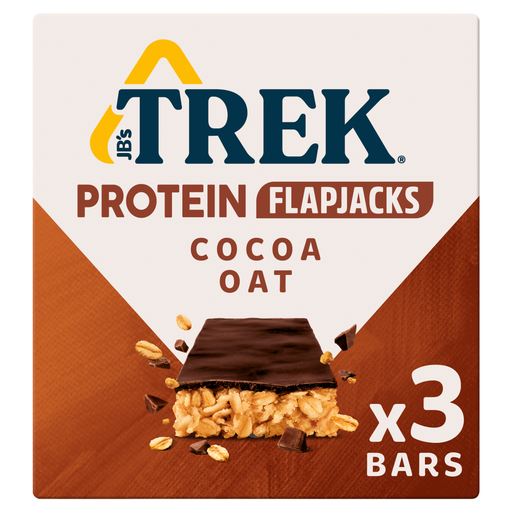
TREK Cocoa Oat Protein Flapjacks, 3 x 50g
For an oat-flapjack format, this listing contains three 50g bars. Check the Cocoa Oat pack’s carbohydrate per bar and allergen information rather than assuming its protein description makes it a lower-carbohydrate snack.
View on Joybuy
Frequently asked questions
Are cereal bars automatically suitable for someone with diabetes?
No. Diabetes UK advises considering carbohydrate when choosing cereal bars. Compare the total carbohydrate in the portion you will eat with your individual plan rather than deciding from oats, fruit or wholegrain wording.
Can a sugar traffic light tell me a bar’s carbohydrate amount?
No. Diabetes UK states that front-of-pack information does not include carbohydrate. Use the nutrition table to find total carbohydrate per portion, and check how many bars that portion contains.
Does “no added sugar” mean a bar is low in carbohydrate?
No. Eat Natural lists 15.2g carbohydrate and 13.5g sugars per 30g Peanut Soft Fruit Bar despite describing it as having no added sugar. Check total carbohydrate separately from the sugar claim.
What counts as a lower-carbohydrate snack in the NHS guidance cited here?
Kent Community Health NHS Foundation Trust describes snack ideas under 10g carbohydrate as lower-carbohydrate options for people with type 2 or gestational diabetes. That reference does not replace individual dietary or carbohydrate-counting advice.
What should I check in a mixed-flavour bar pack?
Check the serving size, carbohydrate and ingredients for each flavour you might eat. UK food-labelling guidance requires specified allergens to be highlighted in the ingredients list; read any relevant precautionary statement too.


