Office and commuter snack planners
A multipack can make it straightforward to take a bar for a mid-morning break. Check how many bars are in each wrapper rather than assuming one wrapper matches one serving.


For a mid-morning cereal bar, choose a pack format that fits the portion you intend to eat, then compare nutrition per 100g and per bar where both figures are shown. Protein, fibre and wholegrain descriptions tell you something about a bar, but not its sugars or saturated fat; if you avoid particular ingredients, check the exact flavour’s ingredients and allergen information too.
A multipack can make it straightforward to take a bar for a mid-morning break. Check how many bars are in each wrapper rather than assuming one wrapper matches one serving.
Look at the amount per bar when comparing those nutrients, alongside the serving size, sugars and saturated fat. A protein or fibre description is not a verdict on the rest of the nutrition label.
Check the current pack for the exact flavour, especially if cereals containing gluten, peanuts, tree nuts, milk or soya matter to you. A vegan or gluten-free description does not answer every allergen question.
Start with the wrapper and serving size, then compare nutrition on the same basis and check ingredients for the particular flavour.
| Priority | What to check | Your needs |
|---|---|---|
| Pack and portion | Check bars per wrapper, wrappers per multipack and the labelled serving. A wrapper and a serving need not be the same amount. | I want to put one portion in my bag without having to guess how much the nutrition figures cover. |
| Nutrition comparison | Compare figures per 100g across bars, then check per-serving information against the amount you plan to eat. Read traffic-light labels for sugars, saturated fat and salt where shown; the NHS explains that nutrition declarations give figures per 100g and sometimes per portion. | For a regular mid-morning snack, I want to compare the bars themselves rather than mistake a smaller serving for a different nutritional composition. |
| Protein and fibre | Check the amount for the exact bar or labelled serving where declared. Compare sugars and saturated fat separately instead of treating a protein, fibre or wholegrain description as a complete nutrition assessment. | Protein or fibre may matter to me, but I still want to know what else is in the portion I will eat. |
| Ingredients and allergens | Read the current ingredients and allergen information for the exact flavour and pack. Recheck when changing variants, including between bars described as vegan or gluten-free. | If I avoid nuts, milk, soya or cereals containing gluten, I need information for this bar rather than a general description of its brand. |
| Bar format | Distinguish crunchy oat bars, flapjacks, protein bars and fruit-and-nut bars by their stated ingredients, pack format and nutrition declaration. | Some mornings I would choose an oat-based bar; at other times, a nut-led texture or a stated protein amount would be more relevant. |
Wholegrain, protein and fibre descriptions do not, on their own, tell you a bar’s sugars or saturated fat. Action on Salt & Sugar reported in November 2025 that, among 458 snack bars reviewed at 10 major UK retailers, 37% were high in sugars and 55% were high in saturated fat under UK front-of-pack thresholds; those figures describe the products reviewed, not every cereal bar.
Compare the exact bar’s nutrition declaration per 100g and per labelled serving, and use its traffic-light label where available.
Some bar formats put more than one bar in a wrapper, while a manufacturer’s labelled portion may differ from the amount you eat.
Check bars per wrapper and the serving used for the nutrition figures before choosing a multipack.
Ingredients and allergen information can matter differently across flavours and formats. A vegan or gluten-free description does not establish suitability for someone avoiding every other allergen.
Read the current ingredients and allergen information on the exact pack, particularly when changing flavour.
Its UK range includes Crunchy and Protein bars relevant to oat-based or protein-focused snack choices.
Oat Boost flapjacks provide an oat-bar format for shoppers comparing mid-morning multipacks.
TREK’s Protein Flapjacks are relevant when a plant-based protein bar is the format you want.
Its protein fruit-and-nut bars offer a different ingredient and texture route from oat-led bars.
Kellogg's UK identifies granola bars within its snack range.
Alpen’s UK product information here concerns its muesli range.
These multipacks cover protein and nut bars alongside an oat flapjack for a mid-morning grab bag. Compare the portion and exact flavour label before choosing between them.
 No image available
A nut-bar multipack to consider if you want a protein-focused mid-morning option. Check the exact bar’s nutrition and ingredients, particularly if you avoid peanuts, almonds, milk or soya.
 No image available
For a protein-focused snack, Nature Valley lists 10g protein and 4g fibre for this named bar. It contains peanuts; check the current pack for its full allergen information and compare its sugars and saturated fat separately.
 No image available
A flapjack format for shoppers considering plant-based protein. Compare the Salted Caramel flavour’s sugars and saturated fat with other bars, and check its allergen information if you avoid soya, nuts or milk.
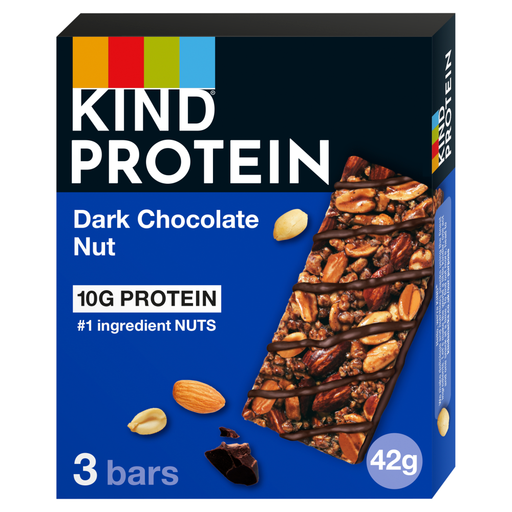 No image available
A nut-led option if that texture appeals to you alongside a protein-bar format. Check the exact pack’s nutrition and allergen information, especially if you avoid peanuts, almonds or soya.
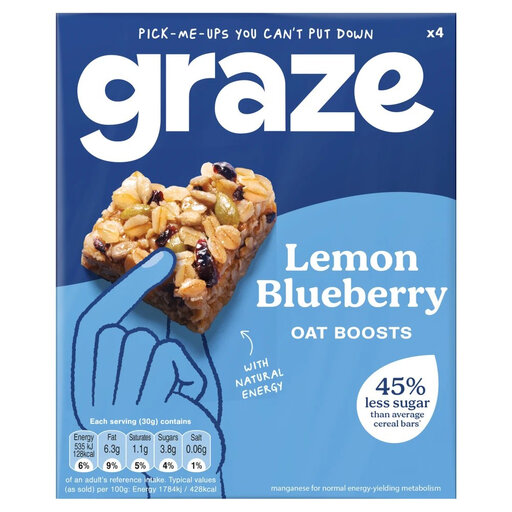 No image available
An oat-flapjack multipack to compare with the protein-led bars if you prefer that format. Check this flavour’s nutrition per 100g and its allergen information rather than applying a range-wide sugar comparison to the individual bar.
Use both when the label provides them. The NHS explains that nutrition information is given per 100g and sometimes per portion: per 100g puts different bars on a common basis, while the portion figure helps you assess the amount you plan to eat.
No. A protein description does not establish a bar’s sugars, saturated fat or calories. Check those figures on the exact product’s nutrition declaration and note the serving size used.
It helps you compare the displayed levels of nutrients such as sugars, saturated fat and salt between products. Read it alongside the nutrition declaration and the amount in the bar you intend to eat.
Yes, if you need to avoid particular ingredients. Check the current pack for the exact flavour and format rather than relying on another bar from the same range; a vegan or gluten-free description does not address every allergen.