Families planning several snack breaks
Individually wrapped bars can be divided between home days and outings. Count the people and occasions before choosing a large pack, especially if the flavours are unfamiliar.


Choose a pack that matches the number of people and planned snack breaks: a larger pack makes sense when the portions and flavours will be used, while a smaller pack lets you try a flavour without committing to as many bars. For children, compare portion sizes, sugars, saturated fat and salt on the exact pack, and check its ingredients for allergens rather than relying on oat, fibre or protein wording.
Individually wrapped bars can be divided between home days and outings. Count the people and occasions before choosing a large pack, especially if the flavours are unfamiliar.
Pack size is only part of the decision. Check the serving size alongside sugars, saturated fat and salt rather than treating an oat, protein or fibre description as an overall nutrition judgement.
Check the current ingredients and dietary statements for the exact flavour. A claim that applies to one bar in a range does not establish that another flavour meets the same requirement.
Work out how many portions you expect to use, then compare the weight and label of the bars you are considering.
| Priority | What to check | Your needs |
|---|---|---|
| Pack size | Count individually wrapped bars and check whether a serving is one bar or a twin-bar pack. Compare bar weights as well as counts. | We have several people sharing across the week, so I want enough portions without buying more of an unfamiliar flavour than we will use. |
| Nutrition | Compare sugars, saturated fat and salt per 100g and per serving. Use front-of-pack traffic-light information where supplied. | I want to see what one planned snack portion contains, not choose a bar solely because its pack mentions oats, fibre or protein. |
| Ingredients | Read the current ingredient list and allergen information for the exact flavour. Check any gluten-free or vegan statement on that product, not another bar in the range. | A family member has a dietary requirement, so the particular pack we buy needs to fit it. |
| Snack planning | Decide when the bars will be offered and how many portions the pack contains. The NHS advises aiming for no more than two packaged snacks a day for children. | For days out, I want portions that are easy to allocate rather than an open multipack becoming an unplanned supply of snacks. |
A 20-bar pack may contain twin-bar portions, and a larger quantity is useful only if the household will eat the flavours.
Match the number of portions to people and planned snack breaks, then check the weight of each serving.
Oat, protein and fibre wording does not describe every part of a bar’s nutrition panel. In its November 2025 analysis of 458 UK retail snack bars, Action on Salt and Sugar reported that 37% were high in sugars and 55% high in saturated fat under UK front-of-pack thresholds; these figures describe the products analysed, not shoppers’ preferences.
Compare sugars, saturated fat and salt per 100g and per serving on the bars you are considering.
Ingredients and allergen information can differ between products. A gluten-free bar can still contain nuts or milk ingredients.
Read the current label for the exact pack, including its ingredients and allergen statement.
These examples show how multipack formats differ; check the exact product rather than applying one bar’s ingredients or nutrition values to an entire brand.
Nature Valley lists a Crunchy variety family pack containing 20 bars in 10 twin-bar packs.
Tesco has listed Alpen Fruit & Nut cereal bars as a five-bar, 140g pack.
Kellogg's cereal-snack lines include differently sized multipacks; Tesco has listed Nutri-Grain Strawberry as six 37g bars.
Graze Oat Boosts include a Cocoa Vanilla four-pack of 30g flapjacks.
Eat Natural’s Almond, Apricot & Yoghurt multipack contains three individually wrapped 40g bars, according to Tesco.
Tesco lists Trek’s Biscoff protein flapjacks as a three-pack of 50g bars.
These Joybuy options cover smaller oat-bar packs, a larger family variety pack and other individually portioned bars for half-term snack planning. Compare the exact pack size, age labelling and ingredients for the people sharing them.
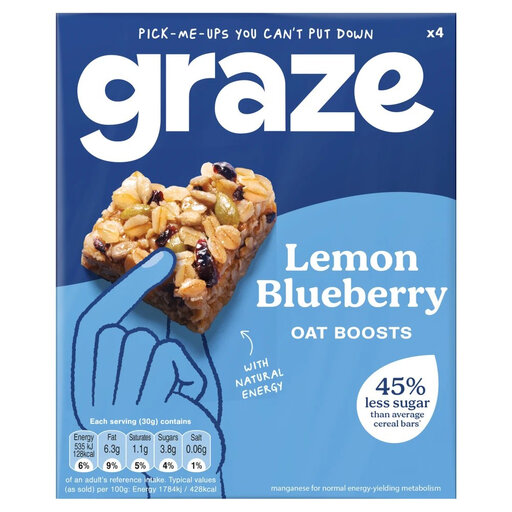 No image available
A four-bar pack gives you fewer portions to commit to when trying this flavour. Check the Lemon Blueberry label itself for nutrition and allergens rather than using figures for another Graze flavour.
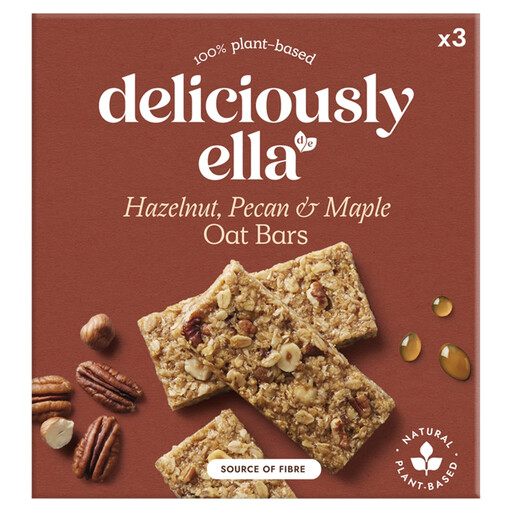 No image available
This oat-bar multipack is an option for sharing only where its nut ingredients are appropriate. The pack is labelled 150g; check its individual portions and current ingredients before allocating bars.
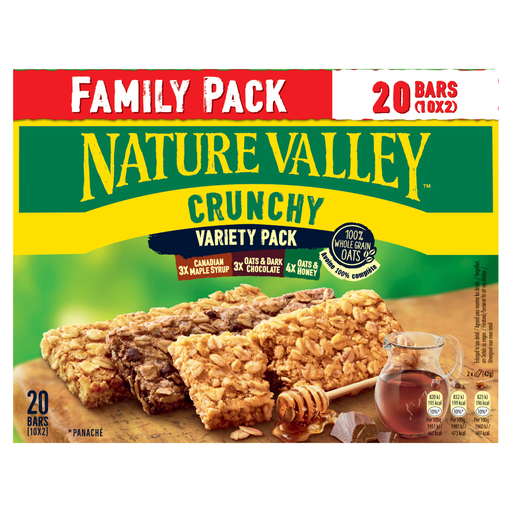 No image available
Ten twin-bar packs provide portions for several shared snack occasions if the flavours will be eaten. Nature Valley describes this format as 20 bars in 10 packs; check the 42g twin-bar serving and current allergen information when planning portions.
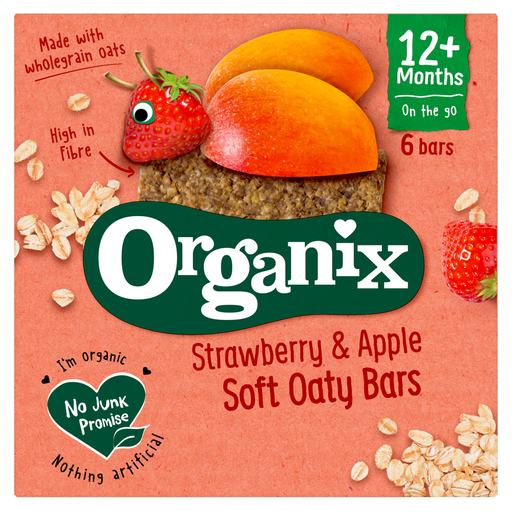 No image available
This six-bar pack is labelled for children aged 12 months and over, rather than as a general family-size portion. Each bar is 23g; supervise young children while they eat and check the pack’s current ingredients.
 No image available
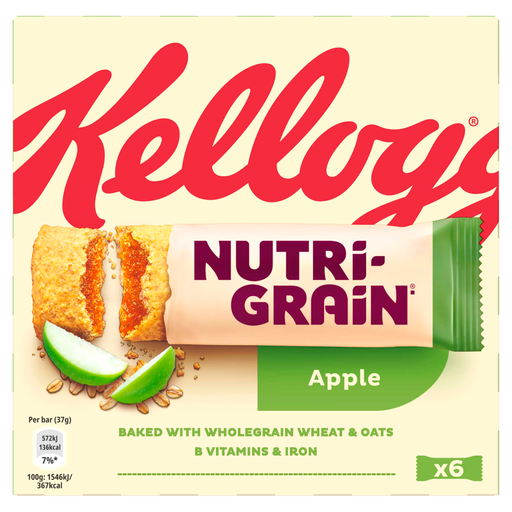
Six bars offer a middle-sized pack to count against planned snack occasions. The pack is labelled 222g; check the Apple bar’s own serving information, nutrition panel and allergens rather than using details from another Nutri-Grain flavour.
The NHS advises aiming for no more than two packaged snacks a day for children and identifies fruit and vegetables as its preferred snack choice. Plan cereal-bar portions as part of the day’s wider food, rather than leaving a multipack open for unrestricted snacking.
Compare the number and weight of bars, then read nutrition values per 100g and per serving. Per-100g figures put different products on the same basis; the serving figures show what the labelled bar or twin-bar pack contains. The NHS notes that a manufacturer’s serving size may differ from the portion you use.
No. Those terms describe particular ingredients or nutrients, not the full nutrition profile. Compare sugars, saturated fat and salt on the exact products, using both per-100g and per-serving figures.
Read the current ingredient list for the exact flavour, particularly for relevant cereals containing gluten, nuts, peanuts, milk and soya. GOV.UK guidance says that ingredients containing any of the 14 regulated allergens must be clearly labelled on prepacked food; do not transfer an allergen assessment from another bar in the range.
No. Gluten-free status and nut content are separate checks. For example, the Eat Natural Almond, Apricot & Yoghurt bar described here is labelled gluten free but contains almonds; check the exact product’s current ingredients and allergen information.