People taking a snack home from the gym
An individually wrapped bar is easy to carry until your next meal. Compare the stated protein and carbohydrate per bar, then check whether the portion size suits the time between training and eating.


Choose a multipack with a stated protein amount per bar if you want a portable snack between leaving the gym and your next meal. If sharing and portion size matter more, compare the number and weight of bars alongside their nutrition labels; whichever route you choose, check the exact pack’s ingredients and allergens before offering it to someone else.
The useful comparison changes depending on whether one person will carry the bars or several people will share them.
An individually wrapped bar is easy to carry until your next meal. Compare the stated protein and carbohydrate per bar, then check whether the portion size suits the time between training and eating.
Count the individual bars and compare their weights before choosing a pack for a family or shared cupboard. Check each flavour or variety against the needs of the people who will eat it.
Read the ingredients, allergen declaration and any precautionary statement on the exact pack. Peanuts, other nuts, soya and milk are relevant checks among the protein-bar options discussed here; a vegan or gluten-free description does not answer every allergen question.
Start with the bar’s role between training and your next meal, then compare nutrition per bar, pack format and suitability for everyone sharing it.
| Priority | What to check | Your needs |
|---|---|---|
| Protein and carbohydrate | Compare stated protein per individual bar on the same basis. Read the carbohydrate declaration and portion weight rather than relying on a front-of-pack description. | I want a portable snack before my next meal and need to know what one bar provides. |
| Portions for sharing | Check the number of individually wrapped bars and grams per bar. Compare packs by usable portions, not pack size alone. | Several people will use the pack, so I need enough bars in portions that suit them. |
| Ingredients and allergens | Read the exact variant’s ingredients, highlighted allergens and any “may contain” statement. Check vegan or gluten-free wording separately from allergy information. | Before I share a bar, I need to know whether its ingredients and allergen information fit the person eating it. |
| Nutrition per portion | Compare sugars, fibre, fat and salt using the declared serving sizes. If shown, read traffic-light labelling alongside the full nutrition table. | I plan to use these bars regularly and want to compare what each portion contains, not just what the front of the pack highlights. |
A bar can be a convenient snack, but the time until your next meal and what else you eat and drink still matter.
Use a multipack for the portable snack you need, rather than assuming one bar covers the rest of your food and drink after training.
Protein-bar recipes can include peanuts, other nuts, soya or milk, and precautionary allergen statements differ between products.
Read the current ingredients and allergen information on the exact multipack before buying or sharing it.
A three-bar pack and an eight-bar pack provide different numbers of portions, while individual bar weights also vary.
Compare bar count, grams per bar and nutrition per serving to decide whether the format fits regular use or sharing.
These examples illustrate different pack formats and label details; a brand’s inclusion here does not mean every product in its range has the same ingredients or nutrition.
Nature Valley UK lists Protein Peanut & Chocolate in an eight-bar pack, stating 10g protein and 4g fibre per bar.
Tesco lists TREK Cocoa Oat Protein Flapjacks as a 3 x 50g multipack with 9g plant protein per bar, described as vegan and gluten-free.
Eat Natural’s Maple Syrup, Pecan & Peanut Protein Bar is listed in a three-pack of 40g bars.
Tesco lists Graze Cocoa Vanilla Oat Boosts in a 4 x 30g pack, with 116 kcal stated per boost.
Tesco lists Kellogg's Nutri-Grain Strawberry and Blueberry snack bars in 6 x 37g packs for general snack sharing.
Alpen’s cited UK product pages describe muesli, including its No Added Sugar variety, rather than a portable bar multipack for this comparison.
These multipacks are protein-labelled bar and flapjack options for a portable post-gym snack. Their pack formats vary, so compare the number of bars before choosing one to share.
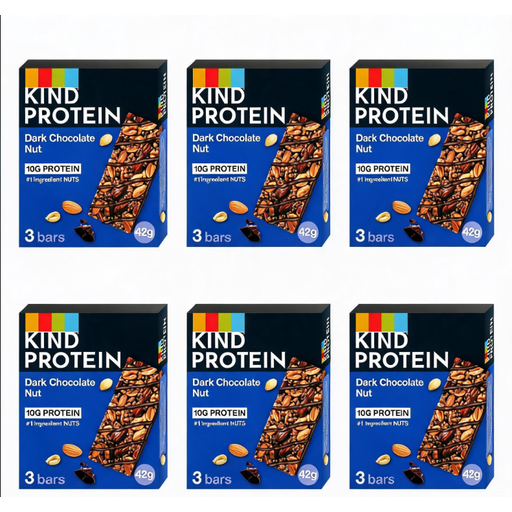 No image available
The multipack format is worth considering when several people need a wrapped snack. Check how the bars are grouped and read the protein, ingredients and allergen information on the exact pack before sharing.
 No image available
Eight 40g bars provide individual portions for taking to the gym or sharing. Nature Valley UK lists 10g protein and 4g fibre per bar for its Peanut & Chocolate eight-bar pack; check the current pack’s nutrition and allergen declaration before use.
 No image available
The four 40g bars offer a smaller pack than the Nature Valley Peanut & Chocolate eight-bar option. Compare the protein declaration for this Salted Caramel Nut variant separately, and check its ingredients and allergens before sharing.
 No image available
Three 50g flapjacks suit a shorter run of individually portioned snacks. Check this Salted Caramel variant’s own protein figure and allergen declaration rather than using the figures stated for TREK Cocoa Oat.
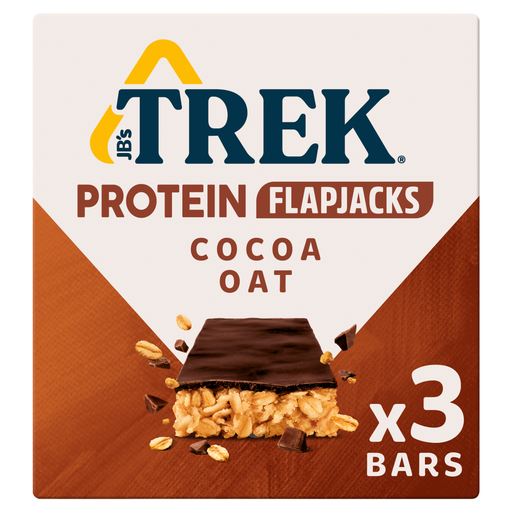 No image available
For a three-bar oat flapjack pack, Tesco lists this Cocoa Oat variant at 9g plant protein per 50g bar and describes it as vegan and gluten-free. Check the current pack’s ingredients and allergen statement before sharing, particularly where soya matters.
A cereal bar can be a convenient snack on the way to your next meal, but it need not stand in for that meal or for drinks. Consider when you will eat next and compare what the individual bar contains.
Not on that figure alone. Compare protein per individual bar on the same basis, then check portion weight, carbohydrate, other nutrition information, allergens and how many bars the pack contains.
Read the ingredients, highlighted allergens and any “may contain” statement on the exact pack before offering a bar to someone else. The Nature Valley Protein Peanut & Chocolate product page lists peanuts, soya and milk and says it may contain nuts; other recipes, including nut-based and soya-containing bars discussed here, require their own checks.
Keep individual bars in their wrappers until you eat or share them, and follow the storage and best-before information on the pack you receive. Joybuy’s Nature Valley Protein Peanut & Chocolate 4 x 40g product page, for example, says to store that product in a cool, dry place.