What should you compare?
Start with the portion you would actually take on the bike, then check whether the pack format and ingredients fit the ride.
| Priority |
What to check |
Your needs |
| Carbohydrate per portion |
Read the value for one wrapper or bar, not just per 100 g. Asda lists 27 g carbohydrate per 42 g, two-bar wrapper of Nature Valley Crunchy Oats & Honey; Weetabix Cereals lists 19 g per 28 g Alpen Fruit & Nut bar. Check how many portions you would carry. |
On a longer ride, I want to know what each opening contributes so I can plan other food and drinks around it. |
| Serving size |
Compare the mass and nutrition of the actual serving. Tesco lists a 30 g Graze Cocoa Vanilla Oat Boost at 116 kcal; check a larger flapjack’s own label rather than assuming its protein content tells you its carbohydrate content. |
For a short outing, a smaller bar may be enough for the snack I want. At another time, I may prefer a more substantial portion. |
| Pack format |
Count individually wrapped servings, not just bars. The cited Nature Valley pack has five 42 g portions, each containing two bars; the cited Alpen multipack has five 28 g bars. Check how many servings fit your intended carry amount. |
I want portions I can pack for a ride without opening the rest of the multipack. |
| Ingredients and labelling |
Read the current ingredient list, declared allergens and any “may contain” statement for the exact variant. Check gluten-free or vegan wording on that product rather than applying a brand-wide assumption. |
If I have a dietary requirement, the label on the bar I will actually eat matters more than a claim about a different flavour. |
Brand and product-line references
These examples show why the exact flavour and serving size matter; they do not describe every bar made by each brand.
Nature Valley
The cited Crunchy Oats & Honey five-pack has five 42 g, two-bar portions. Asda lists 27 g carbohydrate per portion.
- A stated wrapper size makes it possible to count portions for a ride.
- Check the current pack’s oat and allergen information; a bar is not a complete food-and-drink plan.
Alpen
Weetabix Cereals lists 19 g carbohydrate and 2.8 g fibre per 28 g Fruit & Nut bar; a cited UK retailer lists a five-bar multipack.
- The 28 g bar offers a smaller stated portion than the cited 42 g Nature Valley wrapper.
- Fruit & Nut contains cereals and nuts; consult the current allergen statement.
Kellogg's
Kellogg’s lists 25 g carbohydrate per 37 g Nutri-Grain Apple breakfast bar. This is a product-line reference, not a comparison of a confirmed Apple multipack.
- The stated per-bar carbohydrate value can be compared with other individually portioned bars.
- Check the pack format and ingredient statement of the exact product offered.
Graze
Tesco lists Cocoa Vanilla Oat Boosts as four 30 g flapjacks, with 116 kcal per boost, and labels them high in fibre and suitable for vegans.
- Four individually sized boosts give a clear portion count for smaller snacks.
- Check carbohydrate per boost if that is the figure you need for ride-food planning.
Eat Natural
Eat Natural lists 7.8 g protein and 13.4 g carbohydrate per 40 g Dark Chocolate & Peanut Protein Bar. Other flavours and multipacks require their own label check.
- The stated protein and carbohydrate values help distinguish this specific bar from carbohydrate-led oat bars.
- It is peanut-based; check allergens on the exact bar or multipack being considered.
TREK
The cited Protein Flapjacks Variety Pack contains individually wrapped 50 g bars. Ocado describes this particular variety pack as vegan and gluten-free.
- The individual wrappers make the 50 g portions straightforward to count and carry.
- Check nutrition and dietary labelling by flavour; the variety pack’s claims should not be assumed for every TREK bar.
Joybuy cereal-bar multipacks
These options include several protein-bar or flapjack multipacks for a more substantial snack and one crunchy oat-bar variety pack. Compare each pack’s own serving information with what you plan to take cycling.
 No image available
TREK Salted Caramel Protein Flapjacks 3 × 50 g
Consider this three-pack if you want a 50 g flapjack as a more substantial snack. Check the current pack’s carbohydrate value and allergen statement before choosing it for a ride.
View on Joybuy
 No image available
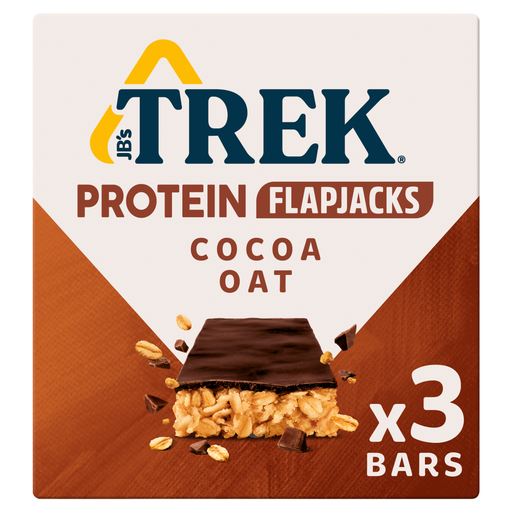
TREK Cocoa Oat Protein Flapjacks 3 × 50 g
This three-pack offers 50 g Cocoa Oat flapjacks for riders considering a larger snack. Compare carbohydrate and fat per bar, and read this flavour’s own allergen statement.
View on Joybuy
 No image available
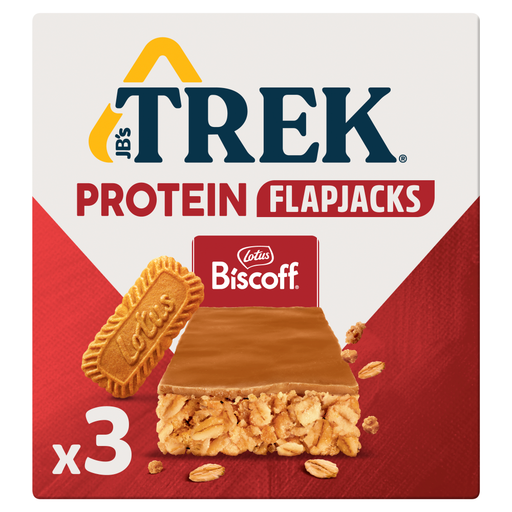
TREK Biscoff Flapjack 3 × 50 g
Choose the pack format if three 50 g flapjacks suit how you portion your snacks. Check this Biscoff variant’s ingredient and dietary labels rather than relying on claims for another TREK flavour.
View on Joybuy
 No image available
Nature Valley Protein Salted Caramel Nut Bars 4 × 40 g
This four-pack is a nut-bar option for a snack rather than the Crunchy Oats & Honey product discussed above. Its nutrition and allergen information must be checked as a separate variant.
View on Joybuy
 No image available
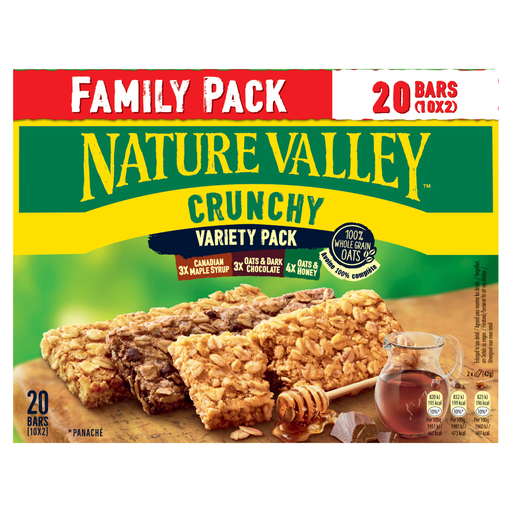
Nature Valley Crunchy Family Variety Pack 10 × 42 g
The ten-portion format may suit planning snacks across several rides. Because this is a variety pack, check the nutrition and allergen information for each included flavour rather than applying figures from a different Nature Valley pack.
View on Joybuy
Cycling cereal-bar questions
Is one cereal bar enough for an hour of cycling?
Not necessarily. A bar contributes only the carbohydrate stated for its serving: Asda lists 27 g per Nature Valley Crunchy Oats & Honey wrapper, while Weetabix Cereals lists 19 g per Alpen Fruit & Nut bar. British Cycling gives bodyweight-based guidance for sportive fuelling, so consider the ride and your other food and drinks rather than treating one wrapper as a complete plan.
Should I take a protein flapjack or a cereal bar on a ride?
If carbohydrate per carryable portion is your main criterion, compare the panels of the exact bars before choosing. A protein flapjack may suit a different snack preference, but its protein claim does not establish how much carbohydrate one bar provides; check serving size and the rest of the nutrition panel too.
What if I need to avoid an allergen or choose a gluten-free bar?
Read the current label of the exact flavour before buying and eating it, including ingredients and “may contain” statements. The cited TREK variety pack is described by Ocado as gluten-free, but that does not establish the status of every TREK product or another bar in this selection.
How should I carry bars on a ride?
Keep individually wrapped bars in their original wrappers and protect them from crushing, heat and moisture. Check the storage instructions on your chosen pack, particularly if it will spend time in a jersey pocket or saddle bag.


