People planning snack portions
Individually wrapped bars can help you set aside a snack in advance. Check whether the stated serving is one bar or a pouch containing two, then compare energy for the amount you expect to eat.


Choose a cereal-bar multipack by the portion you expect to eat and its nutrition, rather than by words such as “light”, “wholegrain” or “protein” alone. A small single-bar pack may make snack portions easier to plan; oat and protein bars offer different ingredients and serving sizes, so compare energy, sugars and the full label before choosing for weight management.
Individually wrapped bars can help you set aside a snack in advance. Check whether the stated serving is one bar or a pouch containing two, then compare energy for the amount you expect to eat.
If fibre or protein matters to your choice, compare the amount per serving alongside serving weight, energy and sugars. A front-of-pack claim describes one feature, not the whole nutrition profile.
Different people may need different portions or need to avoid particular ingredients. Check each flavour’s current ingredients and allergen statements before sharing bars.
Start with the serving you would actually eat, then compare nutrition and pack format on that basis.
| Priority | What to check | Your needs |
|---|---|---|
| Portion and energy | Check kcal per stated serving, serving weight and bars per wrapper. Use the per 100 g figure when comparing products of different sizes. | I want to plan for the amount I am likely to eat, whether that is one small bar or a two-bar portion. |
| Overall label | Compare sugars, fat, saturates and salt, including traffic-light labels where shown. Check these alongside any wholegrain or protein claim. | A front-of-pack claim catches my eye, but I want to know what the complete nutrition panel says. |
| Fibre and protein | Compare fibre and protein per serving, then check serving weight, energy and sugars on the same basis. | If I am choosing an oat or protein bar, I want its nutrition to suit the snack portion I have planned. |
| Pack and ingredients | Check the number of portions, whether bars are individually wrapped, and the current ingredients and “may contain” statements. | We may share a multipack, so each person needs a suitable portion and an allergen label they can check. |
Those words do not tell you the energy or sugars in your portion. Nature Valley UK lists 196 kcal and 11.3 g sugars for the two-bar serving of its Crunchy Oats & Honey Family Pack.
Read the serving size and nutrition panel before deciding whether that bar fits your planned snack.
A wrapped portion can contain more than one bar. Nature Valley UK defines a serving of its Crunchy Oats & Honey Family Pack as two bars weighing 42 g.
Check the number of bars in the wrapper and use nutrition figures for the amount you intend to eat.
More portions in the cupboard do not change the nutrition of each serving. A family pack may be convenient for sharing but calls for the same portion check as a smaller pack.
Choose a pack count that fits how the household intends to use it.
Ingredients and precautionary allergen statements differ between products. The Food Standards Agency explains that “may contain” labelling communicates possible unintended allergen presence.
Read the exact current pack before sharing a bar with someone who needs to avoid an ingredient.
These examples show why the serving and the exact variant matter more than a brand-wide assumption.
Its Crunchy Oats & Honey Family Pack is a larger sharing format.
Alpen Light Summer Fruit is an example of a small single-bar multipack.
The Special K Red Berry Bar provides an example of a product-specific nutrition listing.
Peanut Butter Oat Boosts illustrate a four-bar oat-flapjack format.
The Protein Packed Salted Caramel & Nuts bar is listed by Morrisons as a three-pack of individually wrapped bars.
TREK Protein Flapjacks are an option to compare when protein per bar is a priority.
These oat and protein-bar multipacks offer different pack counts and serving sizes to compare for a planned snack. Check the current product label for nutrition and allergens before deciding.
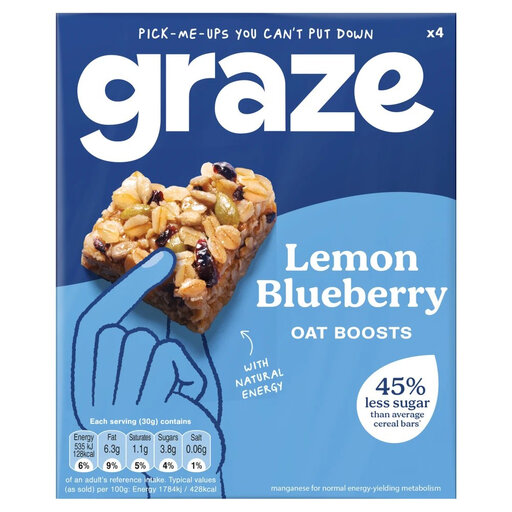 No image available
This four-bar oat multipack has 30 g bars. Compare the current pack’s energy, sugars and fibre per bar if you are planning single-bar snacks; check its allergen statement before sharing.
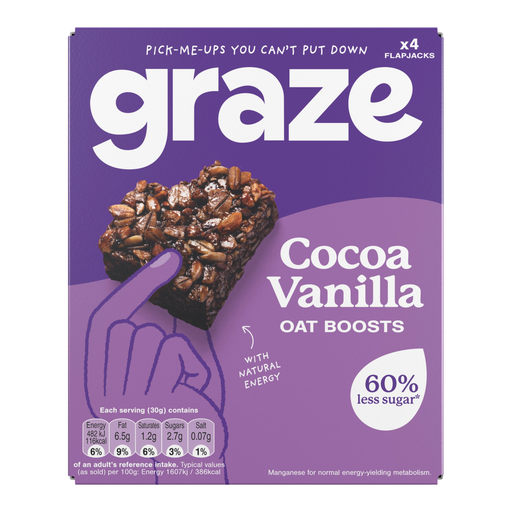 No image available
This pack contains four 30 g oat squares. If the “Protein Bites” name is relevant to your choice, check protein per square alongside energy, sugars and fibre; also read the current allergen label.
 No image available
Four 40 g bars provide a different portion size from the 30 g oat-bar packs above. Compare nutrition per bar for your planned snack, and check the current ingredients and allergen statements for this peanut-and-chocolate variant.
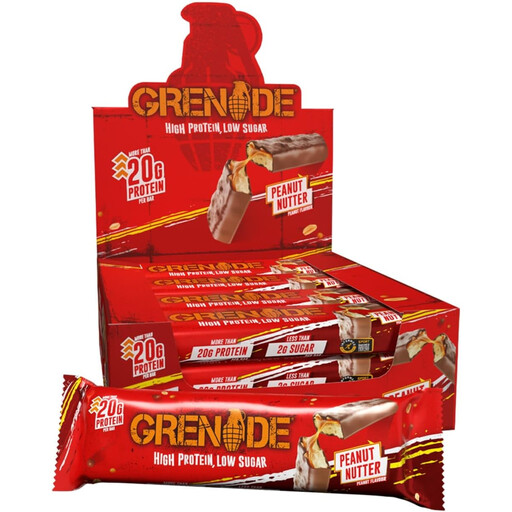 No image available
This 12-bar pack has 60 g bars. If you are considering a larger protein-bar multipack, compare the current label’s energy, sugars and protein per bar, and check its ingredients before sharing.
 No image available
Three 50 g flapjacks make this a different portion format from a small cereal bar. Check energy, sugars and protein for the Salted Caramel variant itself, rather than using figures for another TREK flavour.
It can be a planned snack if the portion you eat fits your overall food choices; the multipack format or a claim on the front does not decide that for you. Check energy per serving and the rest of the nutrition panel before choosing a pack size.
Use both: per 100 g helps you compare products of different sizes, while kcal for the portion you expect to eat helps you plan that snack. Check the serving definition first. Nature Valley UK, for example, defines a portion of its Crunchy Oats & Honey Family Pack as two bars weighing 42 g.
No. Wholegrain describes an ingredient, not the sugar content of the serving. Nature Valley UK lists 11.3 g sugars per two-bar portion of its Crunchy Oats & Honey Family Pack, so read the sugar figure for the exact bar you are considering.
No. Compare the stated protein or fibre with energy, sugars and serving weight for the same bar. A claim can help you identify a product to examine, but it does not establish whether its portion suits your plan.
Read the ingredients, highlighted allergens and any “may contain” statement on the exact current pack. Products and flavours have different ingredients, and the Food Standards Agency explains that precautionary allergen labelling indicates possible unintended allergen presence.