Parents packing lunches throughout the week
Count individually wrapped portions, not just bars on the front of the box. A twin-bar wrapper needs a decision about whether one bar or both will go into each lunch.


Choose a cereal bar multipack by the portions your child will actually take to school, then compare nutrition per bar and check the exact flavour’s allergens against the school’s policy. More bars in a box can make weekday packing easier, but a twin-bar wrapper, a larger flapjack or a nut-containing bar may not suit the intended lunchbox portion or allergy arrangements.
The useful pack size depends on how often the bar goes into a lunchbox, what counts as one portion and which ingredients the school permits.
Count individually wrapped portions, not just bars on the front of the box. A twin-bar wrapper needs a decision about whether one bar or both will go into each lunch.
Check the exact flavour’s ingredients and precautionary allergen statements, alongside the child’s requirements and the school’s arrangements. A gluten-free label does not establish that a bar is suitable where nuts, milk, soya or sesame are restricted.
A small cereal bar, a chocolatey cereal square and a larger flapjack play different roles in a packed lunch. Compare the declared nutrition for the amount the child would actually eat, rather than treating all bars as equivalent portions.
Start with the intended lunchbox portion. Then use the current pack label to compare nutrition and ingredients for that portion, before deciding whether the multipack format works for repeated school days.
| Priority | What to check | Your needs |
|---|---|---|
| Usable portions | Check the net weight, bar count and number of wrappers. For twin-bar packs, decide whether one wrapper represents one lunchbox portion. | I want enough portions for school days without routinely packing more than my child will eat. |
| Allergens and school policy | Read the exact flavour’s ingredient and “may contain” statements. Check the school’s packed-lunch and allergy arrangements; do not use a gluten-free label as a check for other allergens. | Before I pack a bar, I need to know whether its ingredients fit my child’s requirements and the school’s rules. |
| Nutrition per portion | Compare the declared serving size with the amount you intend to pack, then read sugars and fibre per bar as well as per 100g. The compared examples include 19g Alpen bars and 50g Trek flapjacks. | A small extra and a larger flapjack serve different lunchbox purposes; I want the figures for the portion my child would actually have. |
| Format and texture | Check whether the pack contains crunchy paired bars, individual cereal bars or flapjacks, and whether its flavours are suitable. | If my child prefers a particular texture, the number of bars in the box matters only if those bars are likely to be eaten. |
| Repeat purchases | Check the current pack and best-before date when planning several weeks of lunches. Recheck the label if you change flavour or choose a substitute. | I need a practical weekday option, with a suitable alternative if the usual bar is unavailable. |
A box may contain two bars in each wrapper. The number of separate lunchbox portions therefore depends on whether you intend to pack one bar or the pair.
Check the pack format and choose the portion before using the bar count to plan school days.
The checked Alpen and Kellogg's examples include gluten-containing cereals or wheat gluten, while the checked Eat Natural Almond pack is labelled gluten free. That label does not address every other allergen.
Read the current pack for the exact flavour, including precautionary statements, and check the school’s policy.
The examples include bars weighing from 19g to 50g, so a per-100g figure does not by itself describe the portion going into the lunchbox.
Compare the nutrition per intended portion and consider what else is packed for that meal.
A familiar pack may not be available when it is time to restock, and a replacement flavour may have different ingredients.
Before relying on a multipack for repeated lunches, check its current availability and label, and identify a substitute that meets the same ingredient requirements.
These examples show how formats and labels differ; a brand name alone does not establish the ingredients of every flavour.
Tesco’s listed Crunchy Variety Family Pack contains 10 × 42g packs in three oat-bar flavours.
Weetabix Cereals specifies a 19g serving for its Alpen Light Chocolate & Fudge bar.
Tesco’s Totally Chocolatey Rice Krispies Squares example contains eight 36g bars.
Tesco’s Honey Oat Boost example is a four-pack of 30g flapjacks.
Tesco’s Almond multipack contains four individually wrapped 35g bars and is labelled gluten free.
Tesco’s Biscoff example contains three 50g flapjacks and is presented as a plant-protein product.
These Joybuy multipacks cover crunchy oat bars, smaller flapjacks and other cereal-bar formats for packed lunches. Compare each pack’s portion format and current allergen label before choosing.
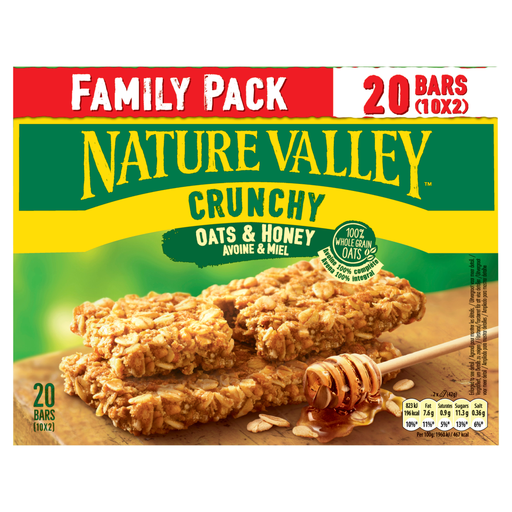 No image available
This larger crunchy-bar pack is worth considering when you need portions for repeated school lunches. Its twin-bar format calls for a decision about packing one bar or both; check the current pack’s wheat, peanut and tree-nut precautionary statements against the child’s needs and school policy.
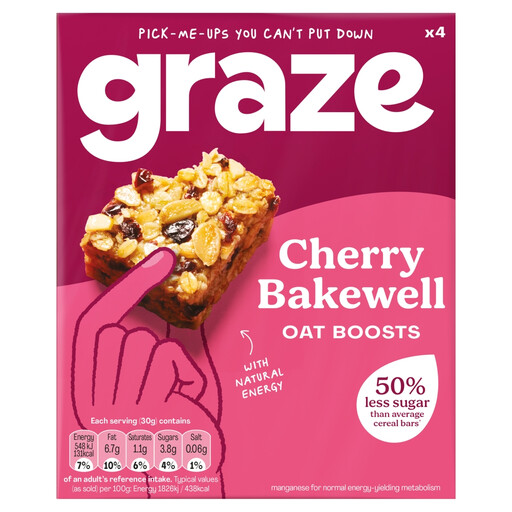 No image available
The four-bar flapjack pack suits a plan built around 30g portions rather than a larger box. Check this Cherry Bakewell flavour’s own nutrition panel and almond and other allergen declarations; figures for Graze Honey Oat Boost do not describe this variant.
 No image available
This 16-bar pack gives a larger 50g flapjack portion for lunches where that format is wanted. Read the Cocoa Oat bar’s own sugars and protein figures, and check its soya and precautionary milk and nut statements; details for Trek Biscoff are not interchangeable with this flavour.
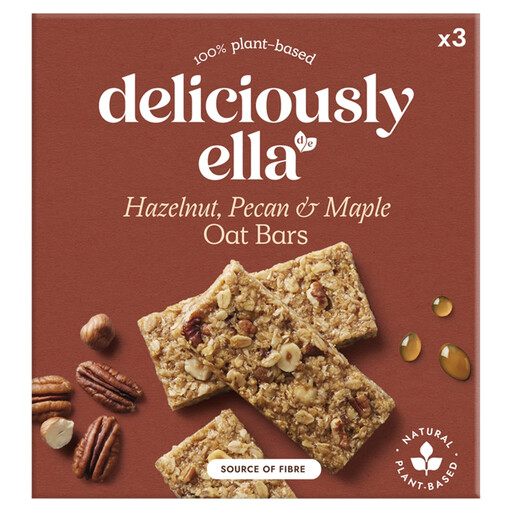 No image available
This oat-bar multipack offers a nut-flavoured format for a child who can have it under the school’s policy. Check the pack’s hazelnut, pecan and other allergen declarations, as well as its individual bar size, before treating the 150g pack as a week’s supply.
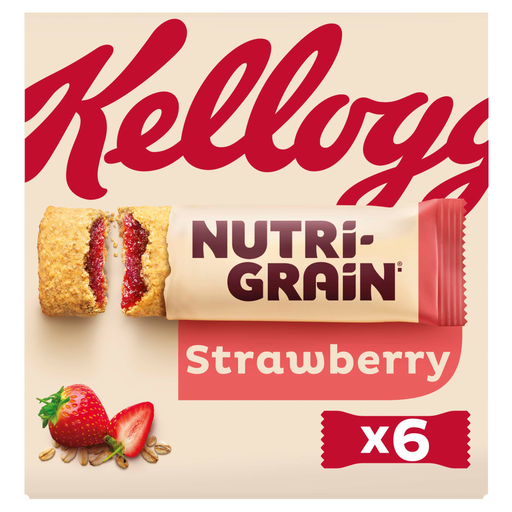 No image available
The six-bar pack offers a different format from crunchy bars or flapjacks for repeated lunches. Compare the current Strawberry bar’s nutrition per portion and check its wheat, soya, milk and precautionary nut statements before packing it.
Count the portions you intend to pack, including whether a twin-bar wrapper will be divided, then compare nutrition per intended portion and check allergens. A larger bar count alone does not tell you how many suitable school lunches the box will cover.
No. The checked Alpen and Kellogg's examples include gluten-containing cereals or wheat gluten, while Tesco’s Eat Natural Almond example is labelled gluten free. Check the exact current pack and flavour for gluten and other allergens.
Not necessarily. Tesco’s gluten-free Eat Natural Almond example contains almonds and milk and may contain peanuts, soya and sesame. Check the school’s nut policy and the exact pack’s ingredient and precautionary statements separately from its gluten-free label.
The Department for Education’s school-food guidance addresses food provided in state-funded schools in England; it does not, by itself, settle the contents of a parent-packed lunch. Check the individual school’s packed-lunch and allergy policies.
Check the current bar’s ingredients and precautionary statements against the pupil’s requirements, then follow the school’s individual allergy arrangements. The Department for Education’s statutory guidance for England says schools must support pupils with allergies; the practical arrangements for that pupil need to be confirmed with the school.