Students stocking a shared kitchen
If several flatmates will use the pack, count the wrapped portions, consider whether a flavour mix will work for everyone, and check allergens before putting bars in a communal cupboard.


A large variety pack makes sense for a shared cupboard if the people using it can eat its ingredients; a smaller protein or dietary-specific pack is a more focused choice for one person. Check the number of wrapped portions, compare nutrition per 100g and per bar, and read the allergen statement on the pack before sharing.
If several flatmates will use the pack, count the wrapped portions, consider whether a flavour mix will work for everyone, and check allergens before putting bars in a communal cupboard.
A smaller multipack may be easier to carry between home and campus. If protein or fibre matters to your choice, compare the amount per bar alongside the rest of its nutrition label.
Check vegan or gluten-free wording and the full ingredient and allergen statement on the exact pack. Neither claim, by itself, establishes suitability for someone with a nut, milk or soya allergy.
Decide who will eat the bars and how the pack will be used, then compare labels for the formats that fit.
| Priority | What to check | Your needs |
|---|---|---|
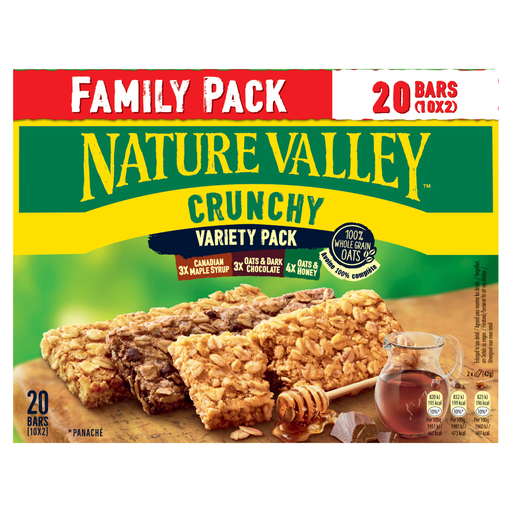
| Pack format | Count bars and wrapped portions separately. Check whether a variety pack contains single bars or twin packs, and whether the flavours suit the people sharing it. | For a shared cupboard, I want enough portions for several people. Nature Valley UK lists its Crunchy Variety Family Pack as 20 bars in 10 twin packs. |
| Nutrition | Compare figures per 100g across different bar sizes, then look at the amount per bar or stated serving. Check sugars, saturates and salt as well as any protein or fibre figure. The NHS describes more than 22.5g sugars per 100g as high. | If I will eat a bar regularly, I want to know what my usual portion contains. Nature Valley UK lists 26.8g sugars per 100g for Crunchy Variety; Sainsbury's lists 48.1g per 100g for Eat Natural Red Fruits. |
| Ingredients and allergens | Read both the contains and may-contain statements on the exact pack. Check dietary claims alongside the ingredient list, especially when a pack will be shared. | Before I leave bars in a communal kitchen, I need to know whether flatmates can eat them. Nature Valley UK lists peanut, soya and milk ingredients for its Protein Peanut & Chocolate big pack, with a may-contain warning for tree nuts. |
A fruit-and-nut or oat-based description does not tell you the sugar figure. Sainsbury's lists 48.1g sugars per 100g for Eat Natural Red Fruits, while Nature Valley UK lists 26.8g per 100g for Crunchy Variety; both exceed the NHS threshold of more than 22.5g per 100g.
Compare sugars per 100g first, then check the amount in the bar or serving you expect to eat.
Tesco lists 9g protein for each 50g TREK Peanut Butter Protein Flapjack. That figure alone does not describe its sugars, saturates or ingredients.
If protein is a reason for choosing a bar, compare the full nutrition panel and allergen statement too.
A pack chosen for several people may contain an ingredient one flatmate needs to avoid. Allergen statements differ between products, even within a familiar type of bar.
Ask flatmates about their requirements, keep the outer packaging available and check the exact pack again when repurchasing.
Alpen Muesli and Weetabix list several Alpen bar variants as no longer being made. An older listing is therefore not a dependable plan for a regular move-in snack.
Check the product and its availability when ordering, and have another suitable pack in mind.
Pack formats and ingredients vary within brands, so use these examples to narrow your checks rather than assuming every bar in a range is alike.
Its Crunchy Variety Family Pack is a shared-cupboard format; its Protein Peanut & Chocolate big pack is an eight-bar personal-snack alternative.
Graze Cocoa Vanilla Oat Boosts is a smaller, four-bar oat-flapjack example.
Red Fruits Soft Fruit Bars provide an individually wrapped four-pack for someone considering a fruit-and-nut format.
TREK Peanut Butter Protein Flapjacks are a three-bar personal multipack rather than a large shared pack.
Coco Pops Snack Bar is a cereal-and-milk snack-bar example, distinct from the protein and fruit-and-nut formats above.
Check the specific Alpen bar before planning a repeat purchase.
These packs cover a larger variety format and smaller packs for personal use. Compare each pack's label with the needs of anyone who will eat it; a product link does not establish current availability.
 No image available
A variety format to consider for a shared cupboard, subject to everyone's ingredient requirements. Nature Valley UK lists its Crunchy Variety Family Pack as 20 bars in 10 twin packs, with 26.8g sugars per 100g. Check the pack and current availability before ordering.
 No image available
A four-bar oat-flapjack pack for personal use rather than stocking a cupboard for several flatmates. Check this Lemon Blueberry variant's nutrition and allergen label rather than applying figures from another Graze flavour.
 No image available
A four-bar personal pack, distinct from Nature Valley's eight-bar big pack. Nature Valley UK describes the Peanut & Chocolate 40g bar as providing around 10g protein and 4g fibre; its ingredient information lists peanut, soya and milk, with a may-contain warning for tree nuts. Check the exact pack before sharing.
 No image available
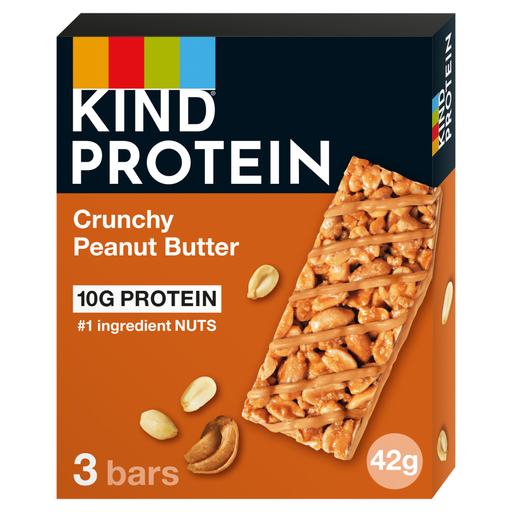
A three-bar option to compare if you are buying for yourself. Read the nutrition panel and full allergen statement on this Peanut Butter variant before choosing it for a shared space.
 No image available
A four-bar fruit-and-nut format for someone who prefers that style of snack. Check the Blueberry Muffin pack's ingredients, allergens and sugars per 100g rather than assuming a fruit-based name establishes its dietary or nutrition profile.
A larger variety pack is worth considering if several people will take bars and can eat its ingredients. Nature Valley UK lists 20 bars in 10 twin packs for Crunchy Variety; a three- or four-bar pack is a smaller commitment when buying for one person or trying a flavour.
Use both: per 100g provides a consistent basis across different bar sizes, while per-bar or per-serving figures describe the stated portion. The NHS advises checking the portion shown on a label, which may differ from the amount you eat.
No. If protein matters to your choice, compare it per bar, then check sugars, saturates and allergens as well. Nature Valley UK lists around 10g protein per 40g Peanut & Chocolate bar; Tesco lists 9g per 50g TREK Peanut Butter Protein Flapjack. They are different products with different ingredients.
Check with flatmates and read the exact pack first. Bars in these formats can contain or may contain ingredients such as peanuts, other nuts, milk, soya, wheat or oats; a vegan or gluten-free description does not resolve every allergen concern. Keep the packaging available so others can check it.