Shoppers who want one defined portion
An individually portioned oat bar gives you a stated amount to take to the sofa. Compare the nutrition for that bar, not just the figures per 100g.


Choose a cereal-bar multipack by the size and type of snack you want beside the TV. A smaller oat bar defines a smaller portion, while the protein bars and flapjacks considered here come in larger servings; compare nutrition per bar as well as per 100g, and check the exact pack for allergens.
An individually portioned oat bar gives you a stated amount to take to the sofa. Compare the nutrition for that bar, not just the figures per 100g.
A protein bar or flapjack may suit you when a small bar is not the format you want. For example, Nature Valley Protein Peanut & Chocolate lists around 10g protein and 4g fibre per 40g bar, alongside 195 kcal and allergens including peanut, soy and milk, according to Nature Valley UK.
TREK describes its bars as plant-based, and its Cocoa Oat flapjack is listed as vegan. Check the particular pack’s ingredients and may-contain statement: TREK says Cocoa Oat may contain peanuts, nuts and milk.
Start with the amount you would eat in one sitting, then compare nutrition and dietary suitability for that exact bar or pack.
| Priority | What to check | Your needs |
|---|---|---|
| Portion size | Check the bar weight and pack count. Read energy, sugars and saturated fat per bar, then use per-100g figures to compare different-sized bars. | I want to take one defined snack to the sofa rather than eat from an open sharing bag. |
| Nutrition label | Compare sugars, saturated fat and salt on the same basis. NHS food-label guidance classifies more than 22.5g sugars or 5g saturated fat per 100g of food as high. | A protein or fibre claim is not enough for my choice; I also want to know what the bar contributes in the portion I will eat. |
| Snack format | Decide whether you want a smaller oat bar, a protein bar or a larger flapjack. Check the stated weight and nutrition of each exact variant rather than assuming all bars in a category are alike. | Some evenings I want a small sweet snack; on others I would choose a larger bar. Pack size alone does not tell me the size of each serving. |
| Ingredients and allergens | Read the exact variant’s ingredients, allergen declaration and may-contain statement. Recheck the pack when buying a familiar product, as recipes can change. | If I am sharing the pack or need a vegan option, the specific bar must suit the people who will eat it—not just the brand’s wider range. |
Bar size and front-of-pack descriptions do not establish its sugar content.
Read sugars per bar for the amount you plan to eat, and per 100g when comparing bars of different sizes.
A 23g bar and a 50g flapjack provide different amounts in one bar, even when their per-100g labels look similar.
Use the per-bar figures for your TV-night portion, then check per 100g for a like-for-like comparison of composition.
Nature Valley UK lists 195 kcal and 3.0g saturated fat per 40g Peanut & Chocolate protein bar; it also contains peanut, soy and milk.
Check the exact bar’s nutrition and allergens alongside its protein figure before choosing it for regular snacking or sharing.
Ingredients and allergen statements can differ between variants. Kellogg’s UK also advises checking packs because recipes may change.
Check the specific flavour, pack size, dietary statement and may-contain information before buying.
These examples show why the exact bar matters more than a brand name when comparing portions, ingredients and nutrition.
Its UK range includes oat bars and protein bars with different serving sizes and ingredients.
TREK offers plant-based protein bars and flapjacks, including a Cocoa Oat flapjack.
Its UK cereal-bar range includes fruit-and-nut, protein and vegan variants.
Oat-based bars offer another format to compare for a defined TV-night portion.
Its cereal-based snack bars include a Rice Krispies variant.
Alpen’s UK product range includes wholegrain muesli, a different format from an individually portioned cereal-bar pack.
These oat bars and flapjacks offer different stated bar sizes for TV-night snacking. Compare the exact pack’s nutrition and allergen information before choosing.
 No image available
Four 30g bars provide a defined portion to take to the sofa. Check the exact pack’s allergen and may-contain information before sharing.
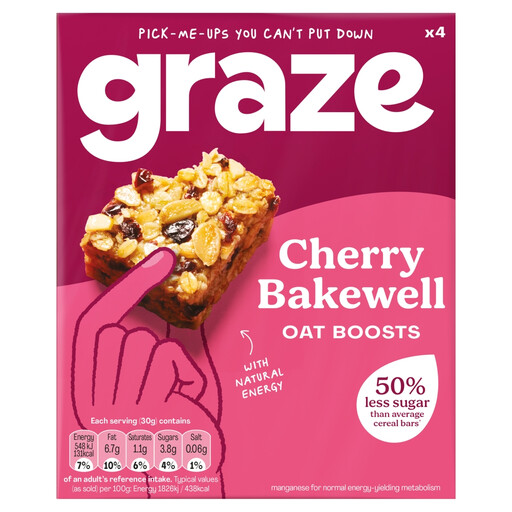 No image available
This four-bar pack gives you a stated 30g portion per bar. Check the pack for almond, oat and other allergen declarations if anyone sharing it has restrictions.
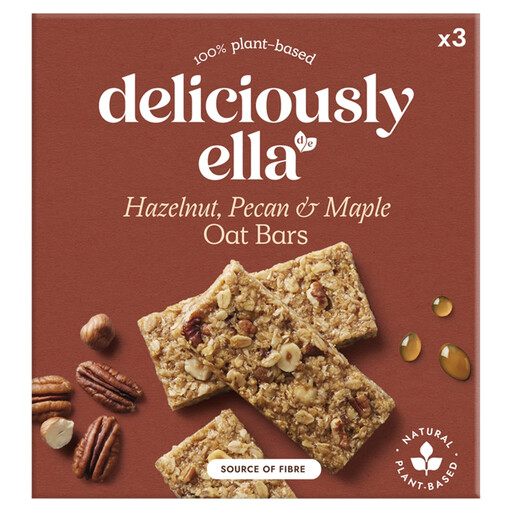 No image available
Consider this nut-and-oat option if you prefer that flavour to a plain oat bar. Check the portion stated on the pack, saturated fat per bar and the full nut allergen declaration.
 No image available
Each stated 50g bar is a larger portion than the 30g oat bars above. Compare sugars and saturated fat per bar, and check the soya allergen declaration.
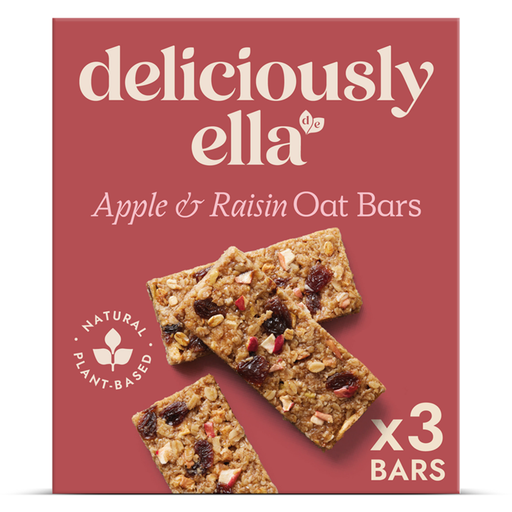 No image available
The pack states three 50g oat bars for a fruit-and-spice option. Compare sugars and saturated fat per bar, and read any may-contain statement before sharing.
Use per-bar figures to see what you would eat in one sitting, then compare per-100g figures across products. Check energy, sugars, saturated fat and salt; protein and fibre figures may also matter if you are choosing between bar formats.
NHS food-label guidance describes more than 22.5g total sugars or more than 5g saturated fat per 100g of food as high. Those per-100g thresholds help you compare products, while the per-bar figures show the amount in your chosen portion.
No. GOV.UK says nutrition information is required on pre-packed food packaging, while some supermarkets and manufacturers also display traffic-light information on the front. If there is no front-of-pack label, use the nutrition declaration on the pack.
No. Those terms describe particular attributes, so check the rest of the label for the exact bar. TREK lists 9g protein, 14g sugars and 5g saturated fat per 50g Cocoa Oat vegan flapjack.
Read the ingredients, allergen declaration and may-contain statement on each exact pack. Bars discussed here list ingredients or possible traces including milk, soy, peanuts and other nuts; Kellogg’s UK also notes that product recipes may change.