Organisers stocking a shared supply
Keep the current packaging accessible so colleagues can check each bar’s ingredients and allergen statements. A multipack that is convenient to replenish is not necessarily suitable for everyone using the tin.


For a shared office tin, start with portioned multipacks whose current ingredient and allergen information colleagues can easily check. Then choose the mix by purpose: a smaller oat bar, a larger protein bar and a sweet cereal snack serve different preferences, while pack count alone does not make any one bar suitable for everyone.
The useful starting point is whether colleagues need a shared choice, a more substantial bar or a smaller portion.
Keep the current packaging accessible so colleagues can check each bar’s ingredients and allergen statements. A multipack that is convenient to replenish is not necessarily suitable for everyone using the tin.
Compare the actual portion and its protein and fibre figures rather than relying on the word “protein” on the front. Nature Valley UK lists about 10g protein and 4g fibre in its 40g Protein Peanut & Chocolate bar; TREK lists 9g plant protein in its 50g Cocoa Oat bar. Their ingredient and allergen statements still need checking separately.
Graze Lemon & Blueberry Oat Boosts offer a 30g portion. The Sainsbury’s listing gives 3.8g sugars and 4.8g fibre per bar; compare those per-bar figures with other portion sizes before choosing what to stock.
Check suitability first, then compare the size of each bar and the number of portions you will need to replenish.
| Priority | What to check | Your needs |
|---|---|---|
| Ingredients and allergens | Read the current ingredient list, declared allergens and any “may contain” statement for each product. Keep that information available when bars are taken out of their carton. | I need colleagues to be able to identify a suitable bar for themselves, rather than assuming everything in the tin has the same ingredients. |
| Portion size | Compare the bar weight and its per-bar energy, sugars, fibre and protein. Use the per-100g nutrition figures to compare products of different sizes; GOV.UK nutrition-labelling guidance explains the per-100g basis. | Some colleagues may want a small snack, while others are looking for a larger bar. A 28g cereal square and a 50g flapjack are not equivalent portions. |
| Sugars and other nutrition | Look at sugars and saturates alongside fibre or protein claims. The NHS explains that the label’s total-sugars figure includes more than added sugars. | I want to compare what each portion contains, without assuming that oats, fruit or a protein label settles the choice. |
| Pack format | Count the bars in each pack and check how their ingredient information will stay with the shared supply. Match the number of portions to likely use and replenishment frequency. | A smaller pack may give us variety; a larger one may mean fewer restocks. Either way, colleagues need access to the right pack information. |
A larger protein bar answers a different need from a small cereal snack. Nature Valley UK lists peanut, soy and milk for Protein Peanut & Chocolate, while TREK Cocoa Oat has its own ingredient and precautionary statements.
Offer protein bars as a distinct choice and check the current pack before putting them into a mixed office supply.
Portions differ as well as recipes: Sainsbury’s lists 3.8g sugars for a 30g Graze Lemon & Blueberry Oat Boost, while Eat Natural lists 14.3g for its 40g Cashew & Blueberry bar and TREK lists 14g for its 50g Cocoa Oat bar. Those are per-bar figures, not equal-weight comparisons.
Read both the per-bar and per-100g figures, then choose the portion and flavour your colleagues want.
Bars from different packs can have different allergens and precautionary statements, even when their wrappers look similar. A colleague choosing from a communal tin needs the information for that particular product.
Keep the current packaging beside the bars and replace it when the product or recipe changes. Do not describe a bar as allergy-safe on the basis of its category or brand.
Alpen Muesli’s product-availability information identifies several named Alpen bars that are no longer made. Familiarity with an older product does not establish what can be ordered now.
Check a current manufacturer product page and retailer listing before adding a particular Alpen bar to a recurring office order.
These examples show how named product lines differ; a brand name alone does not establish the ingredients or nutrition of another bar in its range.
Nature Valley UK lists Crunchy, Protein and Oaty & Crispy ranges, giving an organiser several formats to compare.
Lemon & Blueberry Oat Boosts represent a smaller oat-flapjack format in four 30g portions.
TREK Cocoa Oat is a 50g protein-flapjack example for colleagues seeking a larger portion.
Cashew & Blueberry with a yoghurt coating is a 40g fruit-and-nut alternative to an oat flapjack.
Rice Krispies Squares Marshmallow offers a smaller, sweet cereal-square format in an eight-bar pack.
Alpen is a familiar name to consider only after identifying a specific bar that is currently listed.
These multipacks cover several ways to stock a shared tin: larger protein bars, 30g oat portions, smaller cereal bars and fruit-and-nut bars. Compare each exact pack’s ingredients with colleagues’ needs before ordering.
 No image available
A three-pack to consider when colleagues want a 50g protein flapjack rather than a smaller cereal bar. Check this Salted Caramel variant’s current nutrition and allergen information; figures for TREK Cocoa Oat do not describe this product.
 No image available
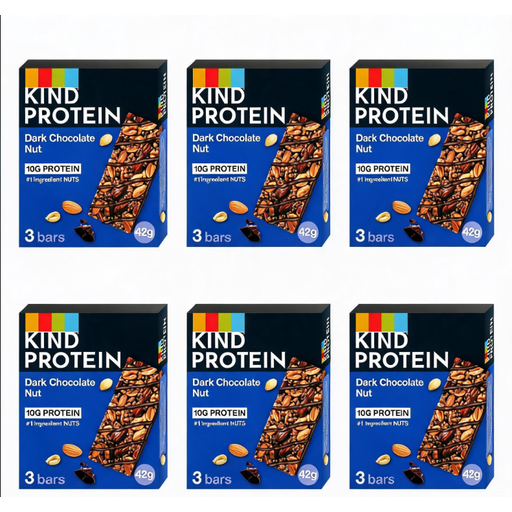
The multipack format suits an organiser who wants several 42g nut bars to replenish a shared supply. Keep this product’s current ingredient and allergen information beside the tin so colleagues can assess whether it suits them.
 No image available
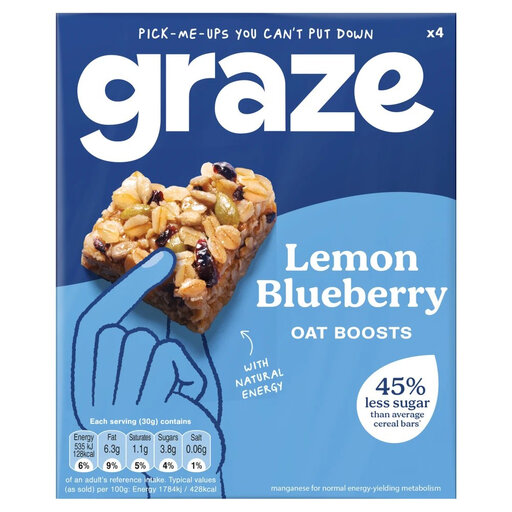
Four 30g oat portions provide a smaller-bar option for the tin. Sainsbury’s lists 3.8g sugars and 4.8g fibre per 30g Lemon & Blueberry Oat Boost; use the current pack to check those figures and its allergen information before sharing.
 No image available
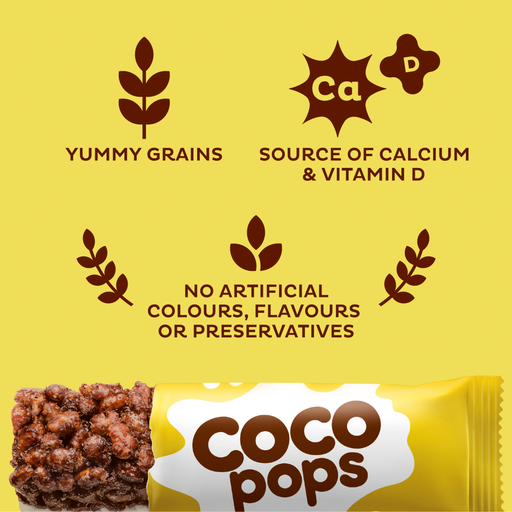
This four-pack offers a 20g cereal-bar portion for colleagues who prefer a smaller sweet snack. Check the Coco Pops bar’s own nutrition and allergen label rather than applying figures from Kellogg’s Rice Krispies Squares.
 No image available
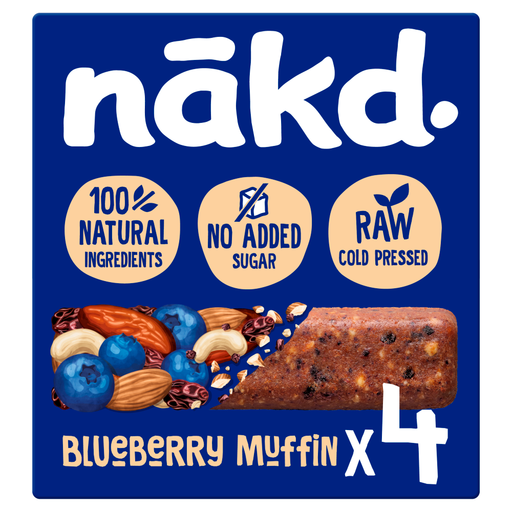
Four 35g fruit-and-nut bars add a different format to the office tin. Check this exact product’s ingredients, allergen statement and per-bar sugars; another brand’s fruit-and-nut figures cannot be used for this pack.
Keep the current carton or a clear copy of its ingredient and allergen information with the bars. Colleagues need to be able to check the particular product they take, especially when several multipacks are mixed together.
No; check the specific bar’s gluten-free labelling, ingredients and allergen statement. TREK describes its Cocoa Oat bar as gluten free, but that claim cannot be transferred to another oat bar or even another TREK variant.
Compare both the nutrition per bar and the figures per 100g. The first shows what one portion contains; the second helps compare products when, for example, one bar weighs 28g and another weighs 50g. GOV.UK nutrition-labelling guidance explains the per-100g basis.
No. The NHS explains that the total-sugars figure also includes sugars naturally present in ingredients. Use the nutrition figures to compare portions and read the ingredient list if you want to understand what goes into each bar.