Easter egg hunt organisers
If you are packing a bar alongside other treats, compare energy for one whole bar and its stated weight. A smaller bar may suit that role without serving as a meal replacement.


For a small snack alongside Easter treats, Alpen Light Summer Fruit has the lowest energy per stated bar of the three products compared here: Weetabix Cereals lists 65 kcal for its 19 g bar. Kellogg’s Special K Red Berry is 104 kcal per 27 g bar, while Tesco lists Graze Sticky Toffee Oat Boost at 122 kcal per 30 g serving. Those portions differ, so check the bar’s weight, the rest of its nutrition panel and its allergen statement before choosing for a group.
The right portion depends on whether the bar is a small extra treat or a more substantial snack, and on who will eat it.
If you are packing a bar alongside other treats, compare energy for one whole bar and its stated weight. A smaller bar may suit that role without serving as a meal replacement.
Check the exact portion, sugars and allergen statement for the pack you intend to share, rather than judging it by cereal, fruit or wholegrain wording on the front.
Check each recipient’s requirements and the current pack before sharing. The reviewed bars have ingredient or precautionary warnings involving cereals, milk, soya or nuts, depending on the product.
Start with the portion you plan to hand out, then check the nutrition and ingredients for that exact bar. Figures per 100 g help when pack portions differ.
| Priority | What to check | Your needs |
|---|---|---|
| Energy and portion | Compare kcal per whole bar with its weight. Weetabix Cereals lists Alpen Light Summer Fruit at 65 kcal per 19 g bar; Kellogg’s lists Special K Red Berry at 104 kcal per 27 g bar; Tesco lists Graze Sticky Toffee Oat Boost at 122 kcal per 30 g serving. | I’m packing a small extra snack, so the amount in the bar matters as much as the number on its label. |
| Sugars and saturates | Read both values for the portion you will serve, and use per 100 g figures to compare different-sized bars. Action on Salt and Sugar reported in its 2025 review that 37% of supermarket snack bars were high in sugars and 55% high in saturated fat under front-of-pack thresholds; these are shares of products reviewed, not shoppers’ preferences. | A fibre or wholegrain message does not tell me the sugars and saturates in this particular bar. |
| Ingredients and allergens | Read the current ingredients, highlighted allergens and any ‘may contain’ statement. Check each bar against the requirements of the people who will eat it. | Before I share a multipack, I need to know whether every recipient can have that exact product. |
| Serving basis | Check whether a nutrition figure describes one bar, a multi-bar portion or 100 g. If the pack contains paired bars, confirm whether you intend to serve one or both. | I want the label comparison to match the portion I will actually pack. |
Cereal, fibre or protein wording does not state how much sugar or saturated fat is in the portion being served.
Compare the nutrition declaration for one bar, including sugars and saturates, before settling on a multipack.
The reviewed products have different ingredient and precautionary statements. A bar suitable for one person may not suit another.
Confirm recipients’ requirements, then read the current pack’s ingredients and ‘may contain’ wording before serving.
The three externally compared portions weigh 19 g, 27 g and 30 g. Their per-bar energy figures therefore describe different amounts of food.
Decide whether the bar is a small addition to Easter treats or a more substantial snack, then compare the portion weight alongside its energy.
These examples illustrate differences between specific bars; their figures and warnings should not be applied to every product from the same brand.
Weetabix Cereals lists Summer Fruit as a 19 g bar, making its portion size relevant to a small snack alongside Easter treats.
Special K Red Berry is a fruit-and-cereal bar with a 27 g stated serving in Kellogg’s UK product information.
Sticky Toffee Oat Boost is a 30 g flapjack serving in Tesco’s product information, rather than the smaller portion represented by the Alpen Light example.
The Crunchy Oats & Honey example uses a two-bar portion, so its pack figures need a careful serving-size check.
These multipacks offer different bar sizes for packing alongside Easter treats. Their names identify the portions; check the current nutrition and allergen information for the exact flavour before buying or sharing.
 No image available
The 21.5 g bar is a smaller named portion for an extra snack during an Easter egg hunt. Check this Dark Chocolate variant’s own nutrition and allergen label; figures for Special K Red Berry describe a different product.
 No image available
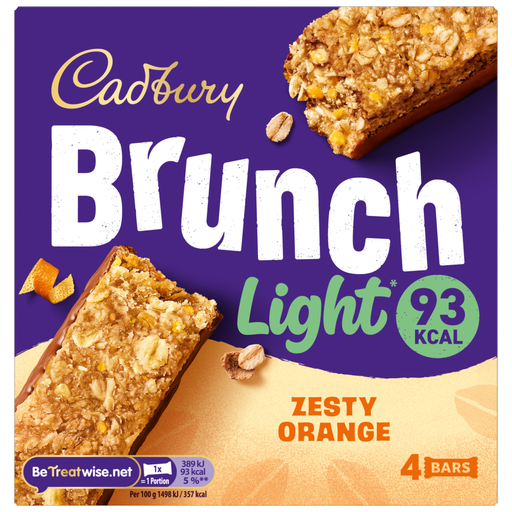
This Orange cereal-bar multipack has a stated total weight of 104 g. Confirm the individual bar’s nutrition declaration and allergen warnings before choosing it for a group; ‘Light’ in the name does not replace those checks.
 No image available
Each named bar weighs 30 g, which may suit a plan for a larger snack portion. Compare this Cherry Bakewell variant’s own nutrition and allergen label rather than using the figures for Sticky Toffee Oat Boost.
 No image available
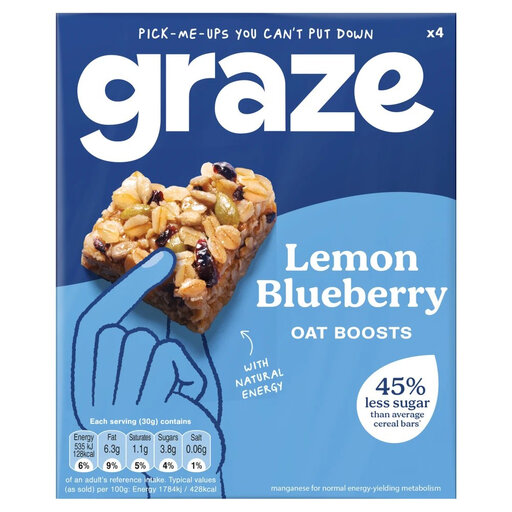
This is another four-pack of 30 g Oat Boosts, in Lemon Blueberry flavour. Check this flavour’s per-bar figures and precautionary allergen statement separately from other Graze bars before sharing it.
 No image available
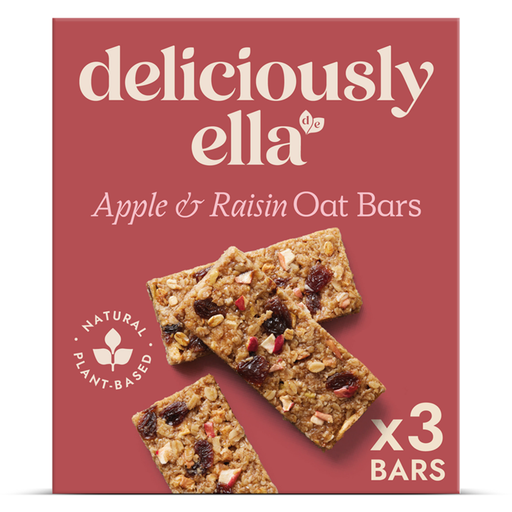
At a stated 50 g per bar, this pack offers a larger portion than the smaller bars listed above. If the aim is a small extra snack, compare its per-bar energy and sugars before choosing it, and check the current allergen statement for everyone who may eat it.
Start with kcal for the stated bar and its weight, then check sugars, saturates and allergens for that same portion. The reviewed examples weigh 19 g, 27 g and 30 g, so a per-bar figure alone does not describe equal amounts of food.
Check each person’s dietary requirements and read the current pack’s ingredients, highlighted allergens and ‘may contain’ statement. The reviewed products have differing warnings involving cereals, milk, soya or nuts; their calorie figures say nothing about allergy suitability.
No. Read the sugars figure for the bar you intend to serve, alongside its weight and other nutrition information. In its 2025 review of supermarket snack bars, Action on Salt and Sugar reported that 37% of the products reviewed were high in sugars under front-of-pack thresholds; that figure does not classify any particular bar on this page.
Use it to narrow down options, but check the pack you buy before serving. Ingredients and nutrition declarations can change; Kellogg’s advises checking the information on the pack for its products.