Parents packing regular nursery lunches
Look at the number and size of portions you can use regularly, after confirming that the bar is permitted by the nursery.


Choose a cereal-bar multipack for nursery lunches only after checking the exact bar against the child’s dietary needs and the nursery’s packed-lunch and allergy rules. Then compare how many usable portions the pack provides, their size and whether the flavour and texture suit the child; a larger pack is not automatically the right choice.
Look at the number and size of portions you can use regularly, after confirming that the bar is permitted by the nursery.
Check the purchased flavour’s ingredient and may-contain statements against the child’s needs and the nursery’s arrangements. Cereal bars can differ substantially in their declarations.
Choose a product specifically labelled gluten-free, then check its other declared allergens. Gluten-free does not mean free from soya, peanuts, tree nuts or milk.
Start with the nursery’s rules and the exact pack label. Once a bar is suitable to send, its portion format and stated ingredients become useful ways to compare packs.
| Priority | What to check | Your needs |
|---|---|---|
| Allergen compatibility | Read the current ingredients and may-contain statement for the exact flavour. Compare both with the child’s needs and the nursery’s packed-lunch and allergy rules. | I need to know this particular bar can go into the nursery lunchbox, not just that it belongs to a familiar cereal-bar range. |
| Usable portions | Check the bar count, weight and whether bars are wrapped singly or in pairs. Nature Valley describes its 10-bar Crunchy Variety Pack as containing two bars per inner pack; Graze Honey Oat Boost is listed as 4 x 30g. | For repeated lunches, I want a pack with portions I can use at the frequency and size that work for my child. |
| Product characteristics | Compare the exact flavour’s ingredients and nutrition label. If gluten-free labelling matters, check other allergens separately; TREK Original Oat, for example, is labelled gluten-free but contains soya ingredients, according to TREK. | A claim on the front of the pack does not answer every question I have about its ingredients or whether the nursery permits it. |
Recipes differ by product and flavour. TREK lists soya in Original Oat, while Eat Natural lists peanuts in its Coconut & Dark Chocolate bar and almonds in its Cranberry Pomegranate Almond & Honey bar.
Read the purchased pack’s full declaration and check it against the nursery’s arrangements before packing a bar.
A higher bar count is useful only if the bars are permitted and the portion format works for the child. Some inner packs contain two bars rather than one.
Check the exact product and nursery policy first, then count the portions you would actually use.
Protein content does not establish whether a bar meets the child’s needs or the nursery’s allergen rules. TREK Original Oat lists soya protein crispies and soya flour.
Assess the specific bar’s ingredients, portion and nursery compatibility rather than choosing by its protein claim alone.
Nature Valley lists a 10-bar Crunchy Variety Pack with two bars in each inner pack.
Graze Oat Boost flapjacks include 4 x 30g multipacks, with ingredients that vary by flavour.
TREK labels Original Oat gluten-free and vegan, and states that it contains 10g plant protein per bar.
The Coconut & Dark Chocolate and Cranberry Pomegranate Almond & Honey bars illustrate Eat Natural’s nut-containing options.
Kellogg’s Rice Krispies Snack Bar is a cereal-and-milk bar rather than an oat-flapjack option.
Alpen is a relevant label to check when considering oat- or cereal-based bars.
These packs offer different counts, bar sizes and textures for repeated nursery lunches. Check each exact product against the child’s needs and nursery rules before deciding which format is useful.
 No image available
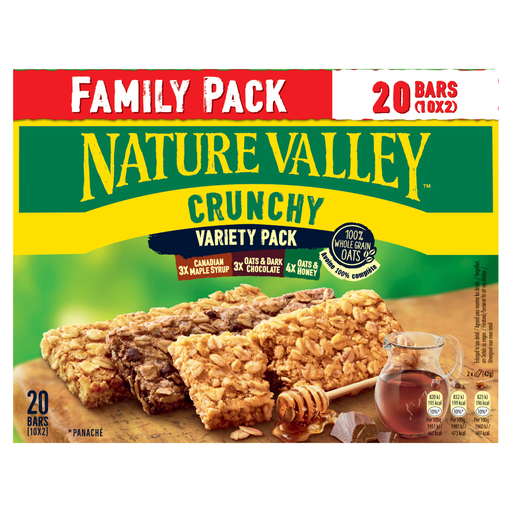
A crunchy oat-bar option for repeat packing if this exact variety is permitted. The product information lists possible wheat, peanut and tree-nut presence; check the purchased pack and its inner-portion format before sending it to nursery.
 No image available
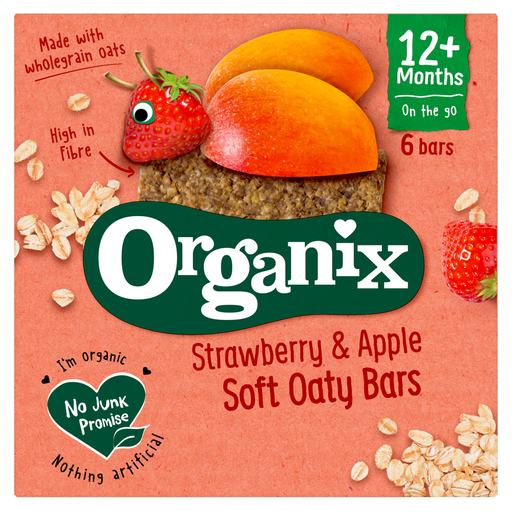
A soft-bar format for families comparing smaller nursery-lunch portions. The listed may-contain warning covers tree nuts, soya and milk; check the current pack and nursery policy.
 No image available
A four-bar oat-flapjack pack for comparing 30g portions with larger multipacks. The listed may-contain warning includes eggs, milk, mustard, nuts, peanuts and sesame; check the Lemon Blueberry pack rather than another Graze flavour’s label.
 No image available
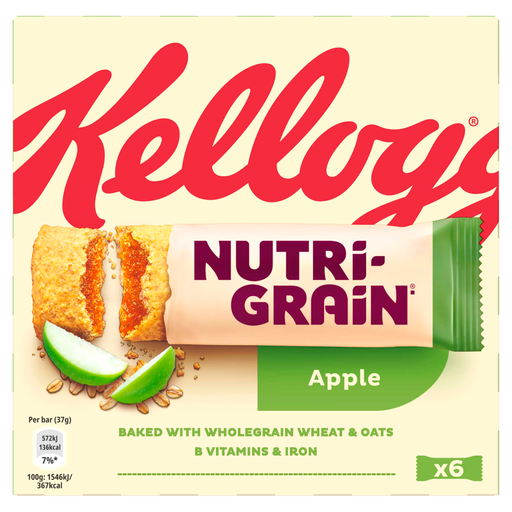
An apple-flavoured, soft baked-bar option in a six-pack. The product information lists wheat, oats, milk and soya, with a warning about possible gluten from other cereals and nuts; confirm the current label and nursery rules.
 No image available
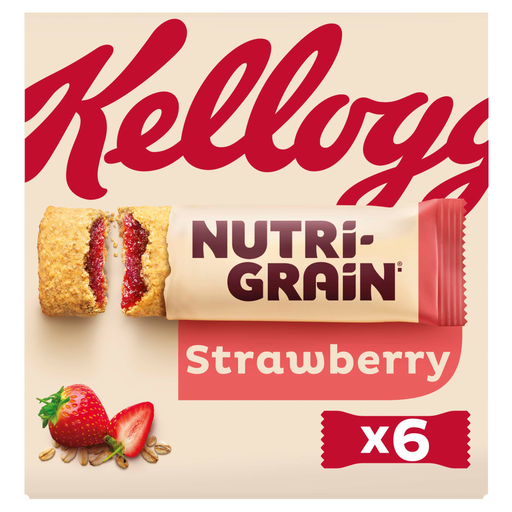
A strawberry-flavoured, soft baked-bar option in a six-pack. The product information lists wheat, soya and milk and says it may also contain tree nuts; check the purchased pack against the nursery’s rules.
Check the particular nursery’s packed-lunch and allergy rules before packing one. The Department for Education’s allergy-policy template addresses responsibilities in early-years settings, but it does not make every cereal bar acceptable at every nursery; the exact product and the child’s needs matter.
Not necessarily. TREK labels Original Oat gluten-free but lists soya ingredients, while the named Eat Natural bars list peanuts or almonds. Check all ingredients and may-contain statements against the nursery’s policy.
First rule out bars that do not meet the child’s needs or nursery rules. Then compare the number of usable portions, bar weights and inner wrapping: a 10-bar pack containing pairs and a four-pack of 30g bars serve different packing routines.
Use it to narrow your choices, but read the current physical pack before sending a bar to nursery. Check the exact flavour and its allergen declaration rather than relying on information for another product in the range.