Shared tea-break organisers
For a workplace or household snack drawer, count the portions you expect to use and check whether the flavours and ingredients suit the people sharing them.


For a shared afternoon tea break, choose a cereal-bar multipack by the number and size of portions people will use, its best-before date and the exact ingredients—not the bar count alone. A variety pack offers different flavours, while protein-focused, soft fruit-filled and plant-based bars serve different preferences; check the nutrition and allergen label of each product before buying for a group.
The right pack depends on who will eat it and how often the bars will be used.
For a workplace or household snack drawer, count the portions you expect to use and check whether the flavours and ingredients suit the people sharing them.
If you reach for the same bars often, compare pack weight, portion size and best-before dates before committing to a larger pack.
If you need a plant-based or gluten-free product, or are looking for a stated amount of protein or fibre, check the exact flavour and its current pack label rather than relying on the brand name.
Start with the portions your group will use, then compare the format and label of each candidate.
| Priority | What to check | Your needs |
|---|---|---|
| Usable portions | Compare the number of bars, grams per bar and total pack weight. Check the best-before date against how quickly the pack will be used. | I want enough bars for our tea breaks without leaving a large pack unused. |
| Bar format | Check whether the exact product is a crunchy oat bar, soft fruit-filled bar or flapjack. For protein- or fibre-focused options, compare the amounts stated per bar. | Some of us prefer a soft bar; others want an oat bar or a product with a stated protein or fibre amount. |
| Ingredients and allergens | Read the ingredients, emphasised allergens and any precautionary statements for each flavour. Confirm a vegan or gluten-free designation on the individual product. | For a shared pack, I need to know whether everyone who plans to eat a bar can use that exact recipe. |
| Sugars and serving size | Compare sugars and energy per serving alongside the serving weight. Check the current pack if a recipe or portion may have changed. | I want to see what one bar contains, rather than assuming an oat, fruit or protein label tells me its sugar content. |
Bars can differ in weight, so a higher count does not tell you how much food the pack contains or whether it will all be eaten.
Compare grams per bar and total pack weight, then check the best-before date against your expected tea breaks.
Ingredients vary by recipe. Tesco Groceries lists peanuts, almonds, soya and milk ingredients in its Eat Natural peanut-and-almond protein-bar listing, alongside a precautionary statement for other nuts.
Read the exact pack label for everyone sharing the bars, and consider a separately checked option when one recipe does not suit the group.
Kellogg's UK lists 12g sugars per serving for Nutri-Grain Apple. That figure describes that product, not every soft or fruit-filled bar.
Compare the current nutrition panels using each product's stated serving weight.
These ranges illustrate different bar formats; a brand name alone cannot establish the ingredients or nutrition of a particular flavour.
Nature Valley UK lists crunchy oat bars and protein formats, including an eight-bar Protein Peanut & Chocolate pack.
Alpen is a familiar name to check against the exact bar and pack currently offered.
Nutri-Grain Apple is a soft baked bar with an apple filling, offering a different texture from a crunchy oat bar.
Graze's Oat Boost flapjacks offer an oat-based format for shoppers who prefer a flapjack.
Eat Natural lists fruit-and-nut, cereal and protein bars, with vegan and gluten-free options in its range.
TREK describes its bars as plant-based and offers Protein Flapjacks alongside High Protein bars.
These multipacks include protein bars, oat flapjacks and a crunchy variety pack. Compare their stated pack sizes with the portions you expect to use, then check each product's current label for your group.
 No image available
A four-bar protein format for tea breaks where this flavour suits the people eating it. Check the exact pack's nutrition and allergen statement before sharing.
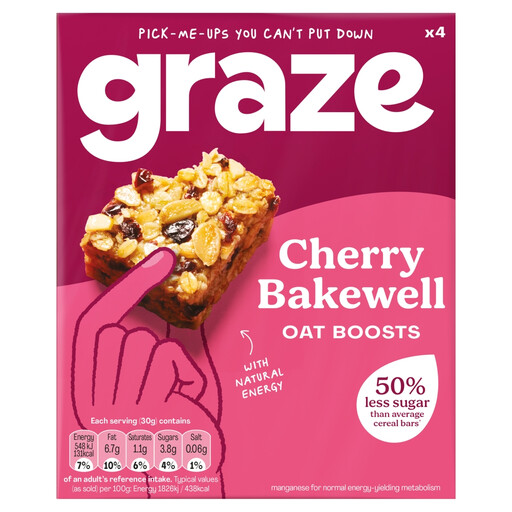 No image available
A four-pack of oat bars for people who want this particular flavour. Compare its 30g bar size with other packs and check the current ingredients for a shared break.
 No image available
A three-pack of protein flapjacks for a smaller run of tea breaks. The stated 50g portion differs from the other packs here; check the exact label for ingredients and nutrition.
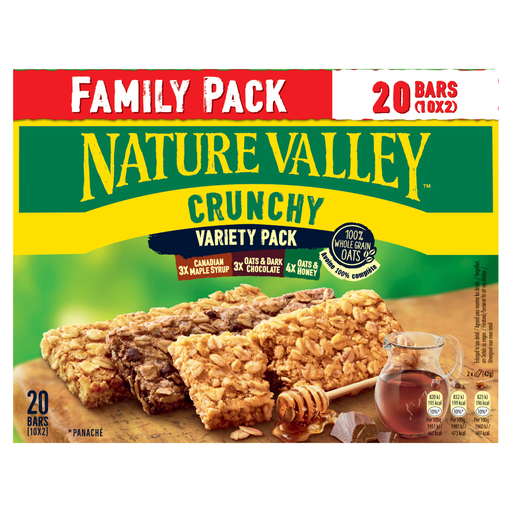 No image available
Ten crunchy-bar portions with a variety of flavours for a group that expects to use them. Check the individual flavours' ingredients and the pack's best-before date.
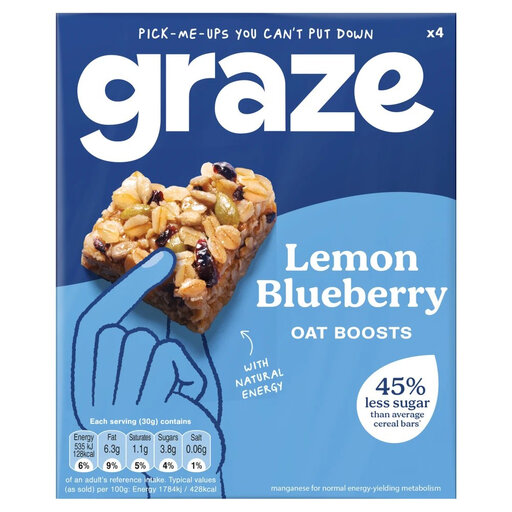 No image available
A four-pack of oat bars in a single lemon and blueberry flavour. Compare the stated 30g portions with your planned tea breaks and read the exact pack's ingredients.
Only choose a shared pack after checking the exact product's current ingredients, allergen declaration and any precautionary statement against each person's requirements. GOV.UK allergen guidance identifies cereals containing gluten, milk, peanuts, soya and tree nuts among the allergens relevant to prepacked-food information; an oat-based, vegan or gluten-free description alone does not settle suitability for every person.
Yes. Kellogg's UK says recipes can change and advises checking the ingredients and nutrition declarations on the pack. That matters when a bulk purchase is intended for people with particular ingredient requirements or when you are comparing sugars, protein or fibre per serving.