Runners with a gap since their last meal
A portable snack may be worth considering before a session when you have not eaten a meal for a few hours. That is a different decision from buying food to eat during every 5k.


For repeat snacks around 5k training, a larger cereal-bar pack makes sense when you will use its portions; compare pack weight and usable wrapped portions rather than assuming the biggest box offers better value. You do not automatically need a bar during a 5k. If you want a snack before running, consider when you last ate, check the ingredients and try the exact bar during ordinary training.
A portable snack may be worth considering before a session when you have not eaten a meal for a few hours. That is a different decision from buying food to eat during every 5k.
If you plan to use bars across several training days, count the wrapped portions as well as the bars. A larger pack only suits that plan if you are likely to finish it.
Check the exact pack before making it a repeat purchase. Flavours and recipes can differ, so a brand name or an oat-based description is not enough to establish suitability.
Decide whether the bar is for before a run or for general snacking, then compare the portions you would use with the pack’s ingredients and size.
| Priority | What to check | Your needs |
|---|---|---|
| When you will eat it | Consider the time since your last meal and whether you intend to eat before or during exercise. University College London Hospitals describes a pre-exercise snack 60–90 minutes beforehand when a meal was not eaten 2–3 hours earlier. | If I have missed a meal, I want to choose a snack and timing I can try during normal training. I do not need to buy in-run food just because I am running 5k. |
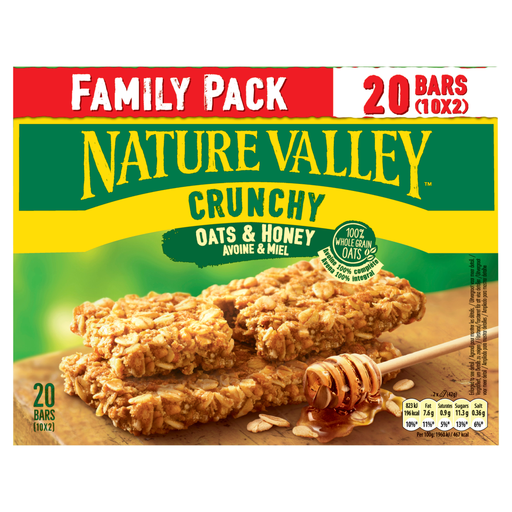
| Usable portions | Check total weight, bar size and how the bars are wrapped. The Nature Valley Oats & Honey 20-bar pack, for example, has 10 twin-wrapped portions, according to its Joybuy UK listing. | A box needs to cover the number of snacks I actually plan to eat. If I am trying a flavour for the first time, I may prefer fewer portions. |
| Pack value | Compare the shelf price per kilogram alongside portion count, and check the best-before date. A lower unit price matters less if you will not finish the pack. | I want enough bars for repeat use without buying more than I am likely to eat. |
| Bar format | Look at whether the exact product is a crunchy oat bar, a soft fruit-filled bar or a flapjack. Check its ingredient and nutrition declarations rather than treating a protein-focused name as a requirement for a 5k. | I want a format I am willing to eat repeatedly and, if it is for before a run, one I have already tried at that time. |
| Allergens | Read the current ingredients and any precautionary ‘may contain’ statement on the exact pack. GOV.UK says regulated allergens used as ingredients in prepacked food must be clearly labelled in the ingredients list. | I need to check the particular flavour and pack for ingredients relevant to me, rather than relying on a general description such as ‘oat’ or ‘protein’. |
Bar counts do not tell you the total weight or how many separately wrapped snacks you will have. A large pack may also be impractical if you are still trying the flavour.
Compare unit price and usable portions, then check whether you are likely to finish the box before its best-before date.
Unused portions turn a planned bulk purchase into food waste.
A protein-focused bar serves a different shopping preference from a conventional cereal bar; its label alone does not establish that it is needed during a short run.
Decide whether you are buying a pre-run snack or a general snack before choosing a format. Compare like-for-like pack weights and ingredients.
An oat-based name does not describe every ingredient or precautionary warning. The Joybuy UK listing for Nature Valley Oats & Honey Family Pack declares oats and says it may contain nuts, peanuts, soya and wheat.
Read the current pack, including its ‘may contain’ wording, before buying several portions for someone with an allergy.
The portion and timing you prefer may not be clear from the front of a multipack.
If you intend to eat a bar before running, try the exact product and portion during ordinary training first.
The Nature Valley UK range includes crunchy oat bars and protein-focused bars, with pack formats that serve different repeat-snack plans.
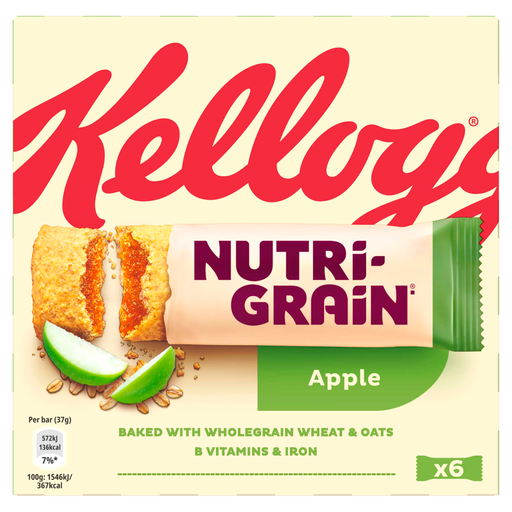
Kellogg’s Nutri-Grain provides a soft, fruit-filled breakfast-bar format for shoppers considering a smaller multipack.
Graze describes its Oat Boost range as wholegrain-oat flapjacks, a different format from a crunchy cereal-bar family pack.
The named Eat Natural option is a peanut-and-chocolate protein-focused bar in a three-bar pack.
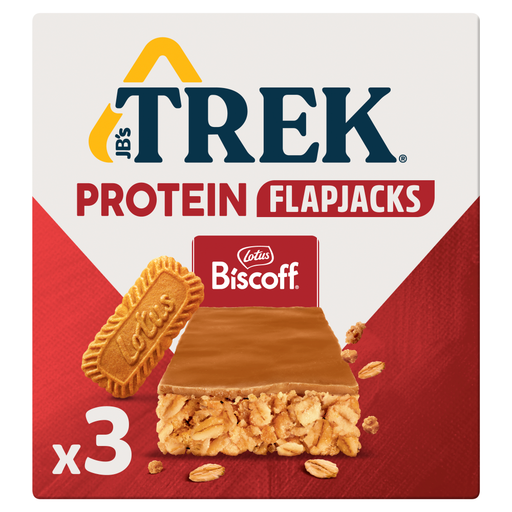
A listed TREK Cocoa Oat Protein Flapjack multipack offers an oat-flapjack format in 3 × 50 g portions.
Alpen’s current product pages focus on muesli, so an older Alpen bar name should not be assumed to represent a current multipack.
These packs cover smaller cereal-bar and flapjack multipacks as well as a larger oat-bar family pack. Choose by the portions and format you would use around training or as everyday snacks.
 No image available
This six-bar pack is a smaller-quantity option if you are trying a cereal-bar format before buying more. Check the current pack’s ingredients and allergen statement for your needs.
 No image available
The six-bar Apple pack offers a fruit-filled format without committing to a larger family pack. Its stated total weight is 222 g; check the current ingredients and allergens on the pack.
 No image available
This four-flapjack pack suits a shopper who wants to try the oat-flapjack format rather than stock up on a family pack. If you plan to eat one before running, try the exact portion during ordinary training.
 No image available
This larger pack is relevant if you expect to use cereal bars repeatedly. The Joybuy UK listing specifies 20 × 21 g bars in 10 twin-wrapped portions; it declares oats and says the product may contain nuts, peanuts, soya and wheat.
 No image available
This three-flapjack pack is a smaller-quantity option for general snacking rather than a reason to add food during a 5k. Check the exact pack’s ingredients, particularly if you have an allergy.
Not automatically. World Athletics’ endurance guidance gives a range of 0–20 g of carbohydrate per hour for activity lasting 45–75 minutes; that duration-based guidance is not a reason to buy an in-run bar for every 5k. If you follow an individual plan for managing blood glucose during exercise, use that plan instead of a general rule.
Try the exact bar during ordinary training, not for the first time before an important run. University College London Hospitals describes a snack 60–90 minutes before exercise when a meal was not eaten 2–3 hours beforehand; the portion and timing you choose should also account for what you have already eaten.
Compare total weight and shelf price per kilogram, then count the portions you can use separately. The Nature Valley Oats & Honey 20-bar pack has 10 twin-wrapped portions according to its Joybuy UK listing, so 20 bars do not mean 20 separately wrapped snacks. Check the best-before date before buying a larger box.
No. Check the exact pack for a specific gluten-free claim and read its full ingredient and allergen statement. Neither an oat-based name nor a protein-focused description establishes gluten-free suitability.
Read the current pack’s ingredients list and any relevant precautionary statement. GOV.UK says that, when a prepacked food contains any of the 14 regulated allergens as ingredients, they must be clearly labelled within the ingredients list; a brand-level description cannot replace that pack-specific check.